
Checking your car battery life regularly is the best way to prevent unexpected roadside stalls. By using simple tools like a multimeter or visiting a shop, you can extend your battery’s lifespan and ensure your vehicle starts reliably every single time.
There is nothing quite as frustrating as turning your key or pressing the start button only to be met with a pathetic clicking sound. As we navigate 2026, our vehicles are more dependent on electrical power than ever before.
From advanced safety sensors to complex infotainment systems, your car battery is the heartbeat of your machine. Knowing how to check car battery life is no longer just for professional mechanics; it is a vital skill for every driver.
In this guide, we will walk you through the simple steps to monitor your power levels. Whether you are driving a traditional internal combustion engine or a modern hybrid, the health of your battery determines your car’s reliability. Let’s dive into how you can take control of your vehicle’s maintenance and save yourself from the headache of a dead battery on a busy morning.
Key Takeaways
- Regular Inspections: Checking your car battery life every six months helps catch potential failures before they leave you stranded.
- Voltage Matters: A healthy car battery typically measures between 12.6 and 12.8 volts when the engine is turned off.
- Visual Cues: Always look for corrosion, swelling cases, or loose cables, as these are common signs of a dying power source.
- Tools for Success: You do not need to be a mechanic; a basic digital multimeter is an affordable tool for testing battery health.
- Temperature Impact: Extreme heat and cold are the biggest enemies of battery performance, often accelerating chemical degradation.
- Professional Help: Many auto parts stores offer free load testing, which provides a more accurate picture than a simple voltage check.
Understanding the Basics of Car Battery Health
To really know how to check car battery life, you must first understand what makes your battery tick. Most modern vehicles utilize Lead-Acid or Absorbent Glass Mat (AGM) batteries. These units store chemical energy and convert it into the electrical current required to turn over your starter motor and power your onboard computers. Over time, these chemicals break down, and the plates inside the battery begin to sulfate.
The Lifespan of a Modern Battery
While some batteries can last for years, the average lifespan typically ranges between three and five years. Factors such as your climate, how often you drive, and whether your car sits idle for long periods will all influence how long your battery survives. If you live in a region with scorching summers, you might find that your battery dies sooner than expected because heat causes internal fluid evaporation.
Signs Your Battery is Struggling
Before you even reach for a tool, your car will often try to tell you something is wrong. Watch for a slow crank when you start the engine. If the car sounds like it is “struggling” to wake up, that is a prime indicator that the battery is losing its charge capacity. Additionally, flickering dashboard lights or electrical accessories that act strangely are classic red flags that it is time to perform a check.
How to Check Car Battery Life Using a Multimeter
The most common way to check car battery life at home is by using a digital multimeter. This inexpensive device measures voltage with high accuracy. You can pick one up at any hardware or auto parts store. Using it is surprisingly simple once you understand the basic process.
Step-by-Step Voltage Testing
First, ensure your engine is off and the lights are out. Open your hood and locate the battery terminals. Set your multimeter to the DC voltage setting (usually marked with a “V” and a straight line). Touch the red probe to the positive (+) terminal and the black probe to the negative (-) terminal.
A reading of 12.6 volts indicates a full charge. If the reading drops to 12.2 volts, your battery is about 50% charged. Anything below 12.0 volts means the battery is likely dead or unable to hold a charge properly. Always record these numbers so you can track if your car battery life is steadily declining over the weeks.
Testing While the Engine is Running
It is also helpful to check the battery while the engine is running. This tests your alternator. When the engine is active, the alternator should be charging the battery. You should see a reading between 13.7 and 14.7 volts. If the voltage remains low or spikes way too high, you might have a failing alternator rather than a bad battery.
Performing a Visual Inspection
Sometimes, the secret to knowing how to check car battery life is simply using your eyes. A visual inspection is the first line of defense. Dirt, debris, and corrosion are the silent killers of battery cables and terminals. If your connections are covered in a white or blue powdery substance, they are blocked from conducting electricity effectively.
Spotting Corrosion and Damage
Corrosion often looks like crusty buildup around the terminal posts. You can clean this off with a mixture of baking soda and water and a wire brush. However, if the battery case itself looks swollen or bloated, this is a dangerous sign. Swelling usually happens due to extreme heat or overcharging, and it means the battery needs to be replaced immediately for safety reasons.
Checking Cable Security
Another crucial step is to check if the cables are tight. If you can wiggle the terminal connections with your hand, they are too loose. Loose cables can cause intermittent power loss, making it seem like your car battery life is shorter than it actually is. Tighten those connections, and you might find that your starting issues disappear entirely.
The Importance of Professional Load Testing
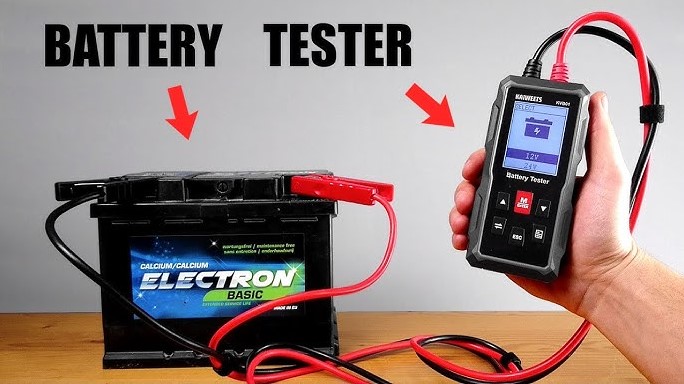
While a multimeter is excellent for measuring voltage, it does not tell you the full story. A battery can show a healthy 12.6 volts on the surface but fail the moment you put it under a heavy load. This is why professional load testing is the gold standard for verifying if your battery is truly failing.
How a Load Tester Works
A load tester simulates the strain of starting your engine. It draws a significant amount of current from the battery to see if the voltage stays stable. If the voltage drops sharply during this test, it means the internal chemistry of the battery can no longer support your car’s needs. Most auto parts shops in 2026 will perform this test for free as a courtesy.
Knowing When to Ask for Help
If you have cleaned your terminals, tightened the cables, and performed your own voltage checks, but you are still experiencing issues, it is time to visit a professional. A service technician can check the charging system and the battery’s “cold cranking amps” (CCA). This provides a definitive answer on whether you are due for a replacement.
Common Habits That Shorten Battery Life
To keep your battery lasting as long as possible, you need to change a few habits. Many people unintentionally drain their car battery life by leaving electronics on when the engine is off. Even a small interior light left on overnight can be enough to kill an older battery.
Short Trips vs. Long Drives
If you only drive your car for very short distances, your battery may never fully recharge. Your alternator needs time to put power back into the battery after the initial start. Try to take your car on a longer drive at least once a week to ensure the battery reaches full capacity.
Temperature Management
Whenever possible, park in a garage during extreme cold or intense heat. If you know a deep freeze is coming, consider using a battery tender or trickle charger. These devices keep your battery at the optimal voltage, preventing the degradation that happens when a battery sits in a partially discharged state during winter months.
Conclusion: Stay Proactive
Learning how to check car battery life is an essential part of responsible vehicle ownership. By using your multimeter, performing regular visual checks, and understanding when to seek a professional load test, you can avoid the frustration of a vehicle that won’t start. In 2026, technology makes it easier than ever to monitor your car’s vitals.
Don’t wait for the warning light or the clicking sound to force your hand. Take a few minutes this weekend to look under the hood. A little bit of effort now will save you a lot of time, money, and stress down the road. Keep your connections clean, monitor your voltage, and enjoy the peace of mind that comes with a healthy, reliable vehicle.
Frequently Asked Questions
How often should I check my car battery?
You should aim to check your battery every six months, ideally before the start of summer and winter. These extreme temperature shifts are when batteries are most likely to fail.
Can a car battery last more than five years?
Yes, some batteries can last six years or more with excellent maintenance and mild weather conditions. However, it is wise to start testing them more frequently once they pass the four-year mark.
What does it mean if my battery has a white powder on the terminals?
That white powder is corrosion, often caused by battery acid fumes reacting with the metal terminals. It can block current flow, but it is usually easy to clean off with a baking soda and water solution.
Does using my phone charger in the car drain the battery?
When the engine is running, the alternator powers your accessories, not the battery. However, if you use chargers while the engine is off, you will drain the battery quickly.
What is a “cold cranking amp” (CCA) rating?
CCA is a measurement of a battery’s ability to start an engine in cold temperatures. A higher CCA rating means the battery has more power to handle freezing conditions.
Should I disconnect my battery if I am not driving for a month?
Disconnecting the negative cable can help prevent a parasitic drain if your car sits for long periods. Alternatively, using a battery tender is a better way to keep the battery healthy without losing your car’s memory settings.