
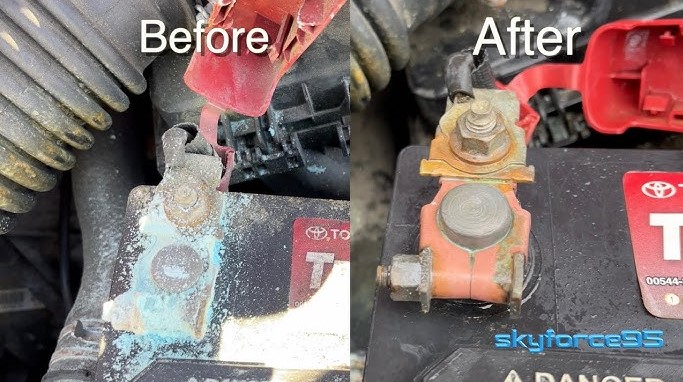
If you encounter a leaking car battery, you must act fast to prevent corrosion and injury. Learning how to neutralize battery acid involves using common household items like baking soda to safely turn a dangerous hazard into a harmless salt.
Every car owner dreads opening the hood and seeing that white, crusty buildup on their battery terminals. It is easy to ignore, but that powder is a clear sign of trouble. You are looking at sulfuric acid that has escaped the casing. When you learn how to neutralize battery acid, you take control of your car’s health and keep yourself safe from nasty chemical burns.
In 2026, even as electric vehicles become more common, millions of us still rely on standard lead-acid batteries. Whether you are driving an older sedan or a modern hybrid, the chemistry under the hood remains the same. If you spot a leak, do not panic. With a few simple steps and some kitchen staples, you can resolve the issue in minutes.
Key Takeaways
- Safety First: Always wear heavy-duty rubber gloves and safety goggles before you attempt to neutralize battery acid.
- The Solution: A mixture of baking soda and water is the gold standard for neutralizing sulfuric acid found in lead-acid batteries.
- Chemical Reaction: You will see bubbling or fizzing; this is a normal sign that the acid is being neutralized.
- Thorough Cleaning: Once the fizzing stops, you must rinse the area thoroughly with clean water to remove any residual salts.
- Containment: Keep baking soda on hand in your garage or trunk for quick emergency response.
- Disposal: Never pour neutralized runoff into the storm drain; dispose of cleanup materials in a sealed bag.
The Science of Battery Acid
To understand how to neutralize battery acid, you first need to understand what it actually is. Lead-acid batteries contain a liquid electrolyte solution, which is a mix of water and sulfuric acid. This substance is highly corrosive. It eats through metal, stains paint, and causes severe skin irritation.
Why Acid Leaks Occur
Leaks usually happen because of age, extreme vibration, or overcharging. As a battery gets older, the internal parts degrade. This creates pressure, forcing tiny amounts of gas or fluid out through the vents or seal points. Once that acid hits the outside air, it starts to react with the metal terminals and the plastic tray holding the battery.
The Neutralization Principle
Neutralization is simply a chemical dance. Acid has a low pH, while a base like baking soda has a high pH. When you combine them, they react to form water and a neutral salt. This process stops the “eating” effect of the acid instantly. It turns a hazardous, reactive liquid into something that is basically just salty water.
Essential Safety Gear
Before you even touch your wrench, you need to gear up. You might feel tempted to just wipe it off with a rag, but that is a mistake. Battery acid can ruin your clothes and leave painful burns on your skin. Always work in a well-ventilated area, like your driveway or an open garage.
Protecting Your Skin and Eyes
Wear thick, chemical-resistant rubber gloves. Nitrile or neoprene gloves work great. You also need safety goggles. If a drop of acid sprays while you are cleaning, you want your eyes fully shielded. An old long-sleeve shirt that you don’t mind ruining is also a smart choice. If you do get acid on your skin, wash it immediately with plenty of soap and water.
The Step-by-Step Neutralization Process
The process of how to neutralize battery acid is surprisingly straightforward. You do not need expensive chemicals from a specialty store. You likely have everything you need in your pantry right now.
Step 1: Disconnect the Battery
Always disconnect the negative terminal first. This prevents sparks if your tool accidentally touches the car frame. A spark near a leaking battery can be dangerous because batteries can release hydrogen gas, which is highly flammable.
Step 2: Create Your Solution
Mix about one tablespoon of baking soda into a cup of water. You don’t need to be perfect with the ratio, but you want a paste-like consistency if the buildup is thick, or a liquid spray if you are cleaning a larger area. Stir it until it is mostly dissolved.
Step 3: Apply and Observe
Pour or brush the mixture over the affected parts. You will hear a fizzing or bubbling sound. This is the best part of the process—it tells you the baking soda is busy doing its job. Let it sit for a few minutes while the reaction finishes.
Step 4: The Rinse
Once the bubbling stops, take a damp cloth or a spray bottle with plain water and rinse everything off. Make sure you get into the crevices of the battery tray and the cable connectors. Wipe everything dry with a clean paper towel. Never leave the area wet, as this can encourage more corrosion.
Handling Stubborn Corrosion
Sometimes, the battery acid has been leaking for a long time. In these cases, you might find a hard, greenish-white crust that does not go away with just one application of baking soda. This is where a little elbow grease comes into play.
Using a Wire Brush
After you have applied the baking soda and the initial reaction has calmed down, use a stiff wire brush to scrub the terminals. Be gentle so you do not damage the lead posts. The goal is to clear away the buildup so you get a solid electrical connection. Once you scrub it, rinse it again with water to ensure all the debris is washed away.
Dealing with Cable Damage
If the acid has traveled down the cable, the insulation might be brittle or damaged. If you see exposed copper wires that look green, you might need to trim the wire and install a new terminal connector. If the damage is extensive, it is safer to replace the entire cable to ensure your car starts reliably every time.
Prevention Tips for 2026
The best way to handle a leaking battery is to prevent it from leaking in the first place. Modern car maintenance is easier than ever, but it still requires a little attention to detail. Staying proactive saves you money and prevents unexpected breakdowns on the road.
Routine Inspections
Check your battery once every three months. Look for signs of swelling or crusty deposits around the terminals. If you live in a very hot climate, check more often. Heat is the number one enemy of car batteries, as it speeds up internal chemical reactions and causes fluid evaporation.
Using Anti-Corrosion Washers
You can buy small felt washers that sit under the battery terminals. These are usually treated with an anti-corrosion chemical. They act as a barrier to keep the acid from migrating to the cable and the car’s electrical system. They are cheap, easy to install, and work wonders for long-term protection.
When to Replace the Battery
Sometimes, learning how to neutralize battery acid is just a temporary fix. If your battery casing is cracked or bulging, neutralization will not save it. A cracked battery is a structural hazard that can lead to a fire or a total electrical failure while driving.
Recognizing the Signs of a Dead Battery
If your car struggles to start even after you have cleaned the terminals, or if your headlights look dim while the engine is running, your battery might be failing. Take it to a local auto parts store. Most of them will test your battery for free. If the test shows a “bad cell,” do not bother trying to patch it up. It is time for a replacement.
Disposing of Old Batteries
Never throw a car battery in the trash. They contain lead and acid, which are terrible for the environment. Bring your old battery to a recycling center or the store where you bought the new one. Most places will give you a “core charge” refund, which puts cash back in your pocket while ensuring the battery is recycled properly.
Mastering how to neutralize battery acid is a vital skill for every driver. It keeps your car running smooth and ensures your electrical connections stay clean. Remember, safety comes first, and a little baking soda goes a long way. Stay observant, keep your connections clean, and your car will thank you for years to come.
Frequently Asked Questions
Is it safe to use vinegar to neutralize battery acid?
No, you should never use vinegar. Vinegar is an acid itself, and it will only make the corrosion worse.
What if I get battery acid on my clothes?
Rinse the clothing immediately with plenty of water. You might want to wash it separately from other items, as the acid can leave holes in the fabric.
Do I need a special cleaner from the store?
You do not need to buy expensive cleaners. Baking soda and water work just as well as, if not better than, commercial battery cleaning sprays.
Can I pour the neutralized runoff into the ground?
It is best to wipe it up with paper towels and dispose of them in the trash. Avoid pouring any chemical runoff directly into the ground or storm drains.
How often should I clean my battery terminals?
A quick inspection every three months is perfect. If you notice white or blue powder forming, go ahead and clean them immediately.
Why do the terminals turn green?
The green color is copper sulfate, which forms when the sulfuric acid reacts with the copper in the terminal or cable. Cleaning it helps restore the connection.