
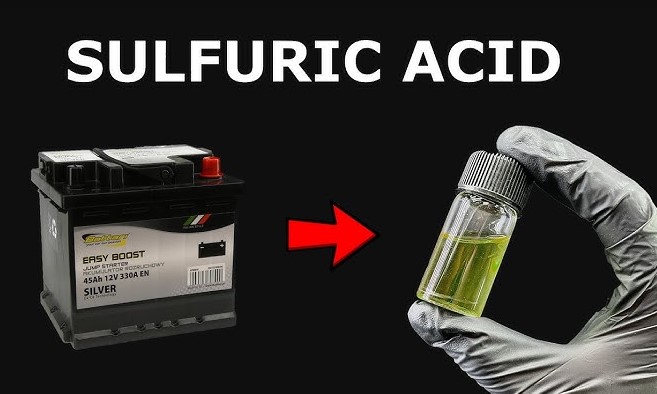
If you are asking what does battery acid look like, keep an eye out for a clear or slightly yellowish liquid often accompanied by white, crusty, or powdery deposits. It is vital to recognize these signs early, as battery acid is highly corrosive and can damage your car’s engine components or pose a significant safety risk if touched.
Have you ever popped the hood of your car only to notice something that didn’t look quite right near the battery? Maybe you saw a weird white crust on the metal parts or a damp, oily spot on the plastic tray underneath. It is a common moment of panic for many drivers. You might find yourself wondering, what does battery acid look like, and is it dangerous?
Understanding the health of your car battery is a key part of maintaining top-tier vehicle performance in 2026. Because modern cars rely so heavily on complex electronics, a leaking battery isn’t just a messy nuisance; it is a direct threat to your car’s brain. Knowing how to identify the signs of a leak early can save you a small fortune in repairs and keep you safely on the road.
Key Takeaways
- Visual Appearance: Battery acid often appears as a clear, oily liquid, but it frequently leaves behind white, blue, or greenish powdery residue around terminals.
- Safety First: Never touch suspected battery acid with your bare hands, as it can cause severe chemical burns and eye irritation.
- Odor Clues: Sometimes, the first sign of a leak isn’t sight, but smell a sharp, rotten egg odor often indicates a failing or leaking battery.
- Corrosion Check: If you see crusty buildup on your battery cables, it is a sign that acid has leaked and is actively corroding your connections.
- Immediate Action: Neutralizing the spill with baking soda and water is the standard DIY approach to cleaning up minor acid leaks.
- Replacement Strategy: If your battery is leaking, do not attempt a patch; replace the unit immediately to ensure your car’s electrical performance remains reliable.
What Does Battery Acid Look Like In Your Car?
When you are looking for battery leaks, you have to know what you are scanning for. Most people assume liquid is the only indicator, but that is rarely the case. To answer what does battery acid look like, we have to look at both the liquid state and the solid byproduct of that liquid reacting with metal.
The Liquid State
In its purest form, lead-acid battery electrolyte is a clear, slightly viscous liquid. Because it is sulfuric acid mixed with water, it might look like clear water or a thin oil. However, it rarely stays that clear. As it leaks from the internal casing of the battery, it picks up dust, debris, and metallic particles from your engine bay. This often turns the liquid a brownish or yellowish tint. If you see an oily, clear-to-yellow puddle sitting on the battery tray, you are likely looking at a fresh leak.
The Crusty Residue
Most of the time, you won’t see a puddle. Instead, you will see the chemical result of the acid. When battery acid touches the lead or copper terminals of your car, it creates a reaction. This manifests as a white, blue, or greenish crust. It looks like sea salt or fluffy powder. This is the most common way to identify a leak. If you see this material building up, it means the battery casing has likely developed a hairline crack, and acid is venting out and eating away at your connection points.
Why Is Identifying Acid Leaks Critical for Performance?
Your car’s electrical system is a delicate ecosystem. Sensors, engine control units (ECUs), and safety systems all depend on a clean, steady flow of electricity. When you ask what does battery acid look like, you are really asking about the integrity of your car’s heart.
Protecting Your Electrical Connections
When acid leaks, it creates resistance. Imagine trying to run a race while someone is actively eroding your shoes. That is what acid does to your battery cables. As the white crust forms, it creates a barrier between the cable and the terminal.
This prevents the alternator from charging the battery properly and stops the battery from sending power to the starter. The result? A car that hesitates to start or electrical systems that flicker while you drive.
Preventing Engine Bay Corrosion
Battery acid is notoriously aggressive. If it leaks onto the metal frame of your car or surrounding engine components, it doesn’t just sit there. It starts to corrode the metal. Over time, this can lead to rusted brackets, weakened mounts, and even damage to nearby rubber hoses. By catching the leak early, you prevent a simple battery swap from turning into a major mechanical overhaul.
How to Safely Inspect Your Battery?
Safety is the most important part of this process. Even if you are just curious to see what does battery acid look like up close, you must treat the battery with caution. Sulfuric acid is caustic and can cause nasty skin burns and permanent damage to your eyes.
Gear Up Before You Look
Always wear safety glasses. Even if the battery looks dry, microscopic crystals can flake off and drift into the air when you touch the terminals. Wear thick nitrile or rubber gloves. If you have a long-sleeved shirt on, that is even better. You want to avoid any skin-to-acid contact at all costs.
The Inspection Routine
Start by looking at the casing. Use a bright flashlight. Check the sides, the top, and especially the bottom where the battery sits in the tray. If the plastic looks swollen, warped, or bloated, that is a major red flag. A swollen battery often means it has been overcharged or has experienced extreme temperature fluctuations, which eventually leads to a breach in the casing.
Addressing a Leaking Battery: Practical Steps
So, you’ve confirmed the leak. What do you do now? Don’t panic, but don’t ignore it either. A leaking battery is a dying battery, and there is no “repair” for a cracked case. The only real solution is replacement.
Neutralizing the Spill
If you see a powdery residue, you need to neutralize the acid before you try to remove the battery. A simple mixture of baking soda and water works wonders. The baking soda is alkaline, and it reacts with the acidic crust to neutralize it. You will see it fizz up. Once the fizzing stops, the acid is neutralized, and you can safely wipe the area with a rag or a stiff wire brush.
Cleaning the Tray
Once the battery is removed, don’t forget to clean the tray where it sat. Often, acid drips down and hides under the plastic. Use the same baking soda solution to scrub the area clean. After it is dry, spray it with a light coating of protective paint or a specialized battery terminal grease. This prevents future corrosion from taking root.
When to Call a Professional?
Sometimes, the damage is more extensive than just a bit of crusty powder. If you notice a heavy, thick fluid, or if you can see a large crack in the casing, it is best to let a pro handle the removal. In the context of 2026 vehicle technology, many batteries are integrated into complex energy management systems. If you aren’t comfortable with the high-voltage risks associated with some modern hybrid or electric car auxiliary batteries, don’t take the risk.
The Smell Test
If you ever smell something like rotten eggs when you pop the hood, that is a major warning sign. This smell is often hydrogen sulfide gas being released by an overheating or leaking battery. If you smell this, get the car to a shop immediately. Do not park it in an enclosed garage where the fumes can build up.
Maintaining Battery Health in 2026
Modern vehicles are demanding. With stop-start technology and constant connectivity, batteries work harder than ever. Prevention is the best medicine for battery failure.
The Power of Proper Mounting
Many leaks happen simply because the battery is not mounted tight. If the battery bounces around as you drive over bumps, the internal plates can become damaged, or the case can crack against the metal tray. Ensure your hold-down bracket is tight and secure every time you check your oil.
Temperature Control
Excessive heat is the number one enemy of a car battery. If you live in an area with extreme summer temperatures, your battery is at a higher risk of bloating and leaking. Keep your car parked in the shade whenever possible. Additionally, keeping your battery terminals clean and coated with a corrosion inhibitor will prevent the electrical resistance that leads to overheating.
Knowing what does battery acid look like empowers you to be a proactive car owner. It is not just about keeping things clean; it is about extending the life of your vehicle and ensuring that when you turn the key or hit that start button, your car responds exactly when you need it to. Keep your eyes open, stay safe, and don’t be afraid to take action the moment you see the first sign of trouble.
Frequently Asked Questions
Is it safe to touch dried battery acid?
No, you should never touch battery acid residue with your bare hands. Even if it appears dry and powdery, it can still be caustic and cause skin irritation or chemical burns.
Does a leaking battery always mean I need a new one?
Yes, if your battery casing is cracked or leaking, it is structurally compromised and cannot be repaired. You should replace it immediately to prevent further damage to your car’s engine bay.
Will baking soda really neutralize the acid?
Yes, baking soda is a base that reacts with the acidic residue, effectively neutralizing it and stopping the corrosion process. It is a highly effective and safe way to clean up minor acid spills around your battery terminals.
Can battery acid cause my car to stall?
Absolutely, because the acid creates a crusty, insulating layer on your terminals that blocks electrical current. If the connection is poor, your car may struggle to maintain steady power, leading to flickering lights or engine stalls.
How do I know if the liquid under my car is battery acid?
Battery acid usually leaks near the battery and creates a crusty, white, or greenish residue around the area. If the liquid is oily and smells like rotten eggs, it is almost certainly a battery leak rather than a coolant or oil leak.
Should I wear special gear when checking for battery leaks?
Yes, always wear safety glasses and rubber gloves when inspecting or cleaning a battery. This protects your eyes from potential splashes and your skin from accidental contact with corrosive materials.