
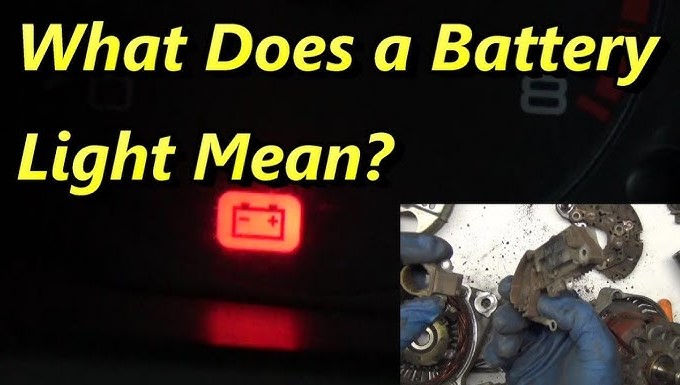
If your dashboard shows a battery light, your vehicle’s charging system is likely malfunctioning. Do not ignore this sign, as it usually means your car is running solely on battery power and could stall unexpectedly if not addressed immediately.
You are cruising down the highway, music playing, sun shining, and everything feels perfect. Suddenly, a small red symbol shaped like a battery pops up on your dashboard. You might ask yourself, “What does a battery light mean?” Is your car about to stop? Do you need a new battery immediately? It is a moment of panic for any driver, but staying calm is the best way to handle the situation.
In the modern automotive world of 2026, our vehicles are smarter than ever, yet the battery light remains one of the most misunderstood indicators. It is not just a sign that your battery is low on juice; it is a signal that your entire charging ecosystem is struggling. Understanding this symbol is the key to keeping your car running smoothly and avoiding a stressful breakdown on the side of the road.
Key Takeaways
- Don’t Panic: A battery light rarely means the battery itself is dead; it usually points to a charging system failure.
- The Alternator Connection: The most common cause for this warning is a faulty alternator that is failing to recharge your battery while driving.
- Immediate Action Required: Once the light illuminates, your car will only run for a short time before the engine shuts down.
- Check the Belt: A loose or snapped serpentine belt is a frequent, simple cause for the battery light to appear.
- Electrical Drain: Turning off non-essential electronics like air conditioning and seat heaters can buy you precious extra miles.
- Professional Diagnosis: Always have a certified mechanic test your electrical system to avoid getting stranded.
Understanding the Charging System
To understand why the light comes on, you need to know how your car gets its power. Your vehicle is like a miniature power plant. When you turn the key or press the start button, the battery provides the initial surge of energy needed to wake up the engine. Once the engine is roaring, the alternator takes over as the primary power source for the vehicle.
The Role of the Alternator
The alternator is essentially a generator. It creates electricity to power your headlights, radio, air conditioning, and safety sensors, while simultaneously pumping energy back into the battery to keep it topped off. When the battery light turns on, it is the car’s computer telling you that the alternator is not doing its job. It is not sending enough power back to the electrical system.
Why the Battery Light Stays On
If you see that icon glowing, your car is now living on “borrowed time.” It is currently drawing power directly from the battery without any replenishment. Since your battery has a limited storage capacity, it will eventually drain completely. When that happens, your engine will have no spark to fire, and your car will lose power, even if you are moving.
Common Causes for the Warning Light
What does a battery light mean in terms of specific repairs? It is rarely just one thing. Several components work in harmony, and if one fails, the light warns you immediately.
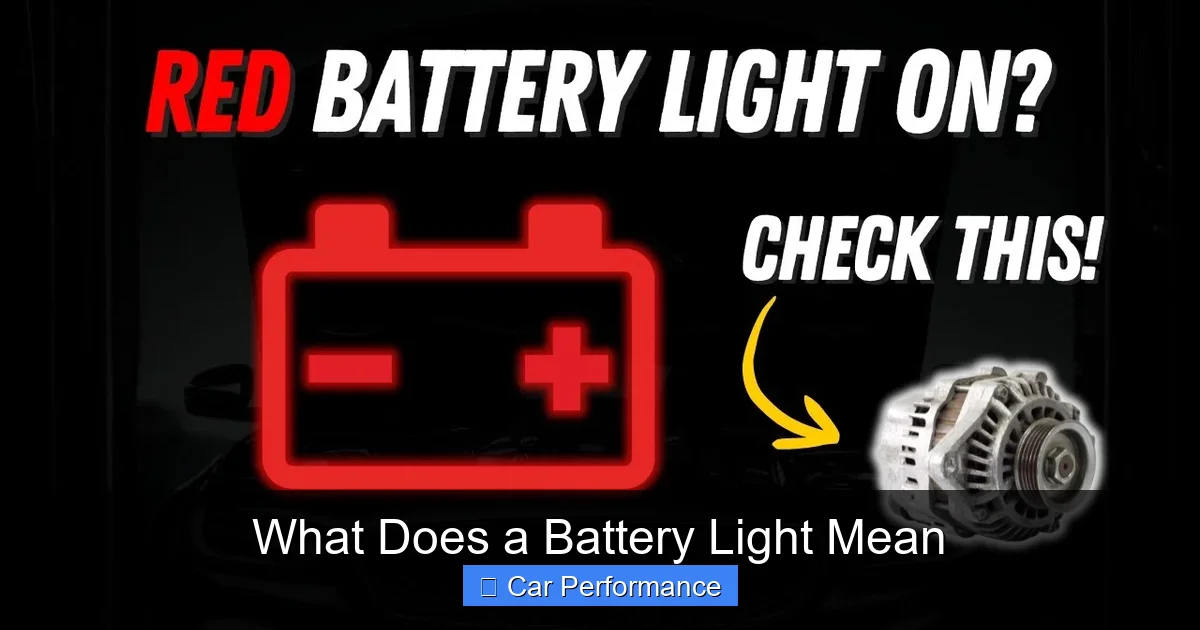
Visual guide about What Does a Battery Light Mean
Image source: i.ytimg.com
The Alternator Failure
This is the “big one.” If your alternator dies, the battery light is your first and only warning. Alternators have moving parts, internal coils, and voltage regulators. Over time, these components wear out. When the alternator fails, the battery light shines bright to let you know the vehicle is no longer producing its own electricity.
Loose or Damaged Serpentine Belt
Your alternator is driven by a rubber belt called the serpentine belt. If this belt becomes loose, cracked, or snaps entirely, the alternator stops spinning. If it doesn’t spin, it can’t create power. Many drivers find that a simple belt replacement fixes the battery light issue instantly, which is much cheaper than a full alternator repair.
Corroded or Loose Terminals
Think of your battery cables like the veins in your body. If they are loose or covered in white, crusty corrosion, the flow of electricity is blocked. Even if your alternator is working perfectly, the power can’t reach the battery. Cleaning these terminals is a quick maintenance task that can often resolve the warning light issue.
Safety Steps When the Light Appears
If the battery light pops on while you are driving in 2026, do not slam on the brakes. Instead, follow these steps to reach safety.
Reduce Your Electrical Load
Your engine needs every bit of electricity it can get. Turn off the air conditioning, the heated seats, the infotainment system, and any phone chargers plugged into the USB ports. By lowering the demand on the electrical system, you can maximize the distance you can travel before the battery runs dry.
Find a Safe Stopping Point
Do not try to drive home if home is miles away. Use your turn signal, find the nearest exit or a safe parking lot, and pull over. If your power steering suddenly feels heavy, that is a sign the belt has failed or the engine is about to die. Maintain a firm grip on the wheel until you come to a complete stop.
Keep the Engine Running
While it is tempting to turn off the engine to check under the hood, be aware that if your battery is truly failing to charge, you might not be able to start the car again. Once you have found a safe, well-lit location, it is better to call for professional roadside assistance rather than trying to restart the engine repeatedly.
The Difference Between Battery and Charging Issues
There is a common misconception that a battery light means you need a new battery. While sometimes true, it is not the most likely scenario.
Battery Health vs. Charging Capacity
A “dead” battery usually prevents the car from starting in the first place. If your car starts easily in the morning but the light turns on twenty minutes later, your battery is likely holding a charge just fine; it just isn’t being fed by the alternator. A professional technician can perform a load test to determine if the battery is faulty or if the charging circuit is the true culprit.
Voltage Regulator Issues
Sometimes the charging system creates too much power. If your voltage regulator malfunctions, it can overcharge the battery, causing the light to trigger. Overcharging is dangerous because it can cause the battery to overheat or even leak acid, which is why a warning light should always be treated as a priority.
When to Call a Professional?
In 2026, vehicles are packed with sensitive computer modules. While some car repairs are simple, electrical systems require specialized equipment to diagnose.
Diagnostic Tools
A mechanic will use a multimeter or an advanced battery tester to check the voltage output while the engine is running. They will look for a steady voltage, typically between 13.5 and 14.5 volts. If the reading is lower, they know exactly which part of the charging circuit is broken.
Avoiding Secondary Damage
Ignoring the battery light can lead to damage beyond the alternator. A failing voltage regulator can “fry” your car’s sensitive electronics, including the ECU (Engine Control Unit) or dashboard sensors. Spending money on a diagnostic test now is significantly cheaper than replacing damaged car computers later.
Maintaining Your Charging System
Prevention is always better than a breakdown. By following a simple maintenance schedule, you can keep your charging system healthy for years.
Routine Inspections
Every time you get an oil change, ask the technician to perform a quick visual inspection of the serpentine belt and battery terminals. Checking for cracks in the belt or corrosion on the cables takes less than a minute but can prevent a major headache.
Battery Age Awareness
Most car batteries last between three and five years. If you know your battery is pushing its limit, don’t wait for the warning light to appear. Replacing an old battery proactively is a smart move, especially if you live in an area with extreme temperature fluctuations, which can stress your car’s electrical components.
In conclusion, when you find yourself asking, “What does a battery light mean?” remember that it is your car’s way of asking for help. It is not an invitation to keep driving until the car stops.
By responding quickly, turning off non-essential electronics, and getting a professional diagnosis, you can ensure your vehicle stays safe and reliable. Treat your car’s electrical system with care, and it will keep you moving forward through 2026 and beyond.
Frequently Asked Questions
Is it safe to drive with the battery light on?
It is generally not safe to continue driving once the light illuminates. You have a very limited amount of time before the battery loses all its charge, which will cause your engine to stall suddenly.
Does a battery light always mean I need a new battery?
No, it most often indicates an issue with the alternator or the serpentine belt. A new battery will not solve the problem if the alternator is not generating the electricity needed to keep it charged.
What should I do if the light turns on while I’m on the highway?
Immediately turn off all unnecessary electrical accessories like the AC and radio to conserve power. Exit the highway at the next available opportunity and find a safe place to pull over and call for help.
Can a loose wire cause the battery light to appear?
Yes, a loose or corroded battery terminal can prevent the charging system from functioning correctly. Sometimes, simply tightening or cleaning the connections is enough to turn the warning light off.
How much does it cost to fix a charging system issue?
Costs vary significantly depending on the make and model of your vehicle. A simple belt replacement is affordable, while an alternator replacement is a more significant expense, but both are necessary to maintain vehicle safety.
Can I use a jump starter to fix a battery light warning?
A jump starter might get your car running again, but it won’t fix the underlying cause. Since the alternator is not charging, the car will eventually die again shortly after you disconnect the jump starter.