
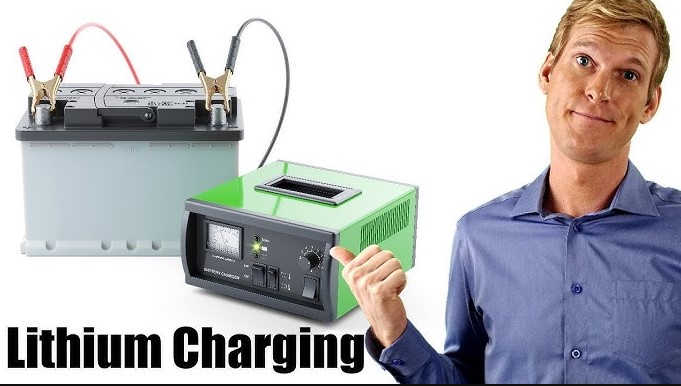
Charging lithium batteries the right way is the key to unlocking maximum power and longevity in your performance car. By using a dedicated lithium-compatible charger and monitoring temperature, you can avoid common mistakes that kill performance. Follow this guide to ensure your power source remains healthy, efficient, and ready for the track.
If you love pushing your car to the limit, you know that every ounce of weight and every volt of power matters. In 2026, the shift toward lightweight, high-output lithium batteries has changed the game for car enthusiasts everywhere.
These batteries pack a serious punch, but they also require a different kind of care than the old lead-acid bricks we used to pull from our engine bays. If you want to know how to charge lithium battery systems properly, you have come to the right place.
Charging your battery the right way isn’t just about topping off power; it is about protecting a significant investment in your car’s performance. Lithium batteries are like high-strung athletes they love to work hard, but they need specific conditions to stay in peak shape. If you treat them like a traditional battery, you might find yourself with a dead unit long before you should. Let’s dive into the specifics of keeping your power system healthy.
Key Takeaways
- Use Dedicated Chargers: Always use a charger specifically designed for lithium iron phosphate (LiFePO4) chemistry to avoid internal damage.
- Mind the Temperature: Never attempt to charge lithium batteries when temperatures are below freezing, as this can permanently harm the cell structure.
- Avoid Deep Discharges: Try to keep your battery above 20% charge to preserve its chemical integrity and extend its overall lifespan.
- Monitor Voltage: Understand that lithium batteries have different voltage profiles compared to lead-acid batteries, meaning standard trickle chargers are often incompatible.
- Practice Storage Safety: If you are storing your vehicle for the winter, charge the battery to about 50-60% capacity to prevent chemical degradation.
- Check Connections: Regularly inspect terminals for corrosion or looseness, as high-performance cars produce vibrations that can disrupt power flow.
Understanding Lithium Battery Chemistry
Before we plug anything in, it helps to know why lithium is different. Most performance car lithium batteries use Lithium Iron Phosphate (LiFePO4) chemistry. This technology is popular because it is stable, lightweight, and capable of delivering a massive burst of current to start high-compression engines. Unlike the old-school lead-acid batteries that are forgiving and slow, lithium batteries are sensitive to voltage levels and internal heat.
The Role of the BMS
The secret weapon inside your battery is the Battery Management System, or BMS. Think of the BMS as the brain of the operation. It keeps the internal cells balanced and prevents the battery from being overcharged or discharged too deeply.
When you learn how to charge lithium battery units, you are essentially learning how to communicate with this brain. If your charger doesn’t speak the same “language” as the BMS, the protection circuits might trip, leaving you with a battery that refuses to charge.
Voltage Differences Matter
A standard car battery charger is programmed to reach voltages that can actually trigger the safety shutdowns on a lithium battery. Lithium batteries operate at a higher, flatter voltage curve.
If you use a “desulfation” mode found on many lead-acid chargers, you risk confusing the BMS or damaging the internal cells. Always check that your charger has a dedicated lithium setting or a specific lithium algorithm before you attach those clamps.
The Right Gear for the Job
You wouldn’t put cheap gas in a high-performance engine, so why would you use a cheap charger on a performance lithium battery? In 2026, the market is full of smart chargers that do the heavy lifting for you.
When you are looking for equipment, look for units labeled specifically for LiFePO4 batteries. These chargers use a two-stage constant current and constant voltage (CC/CV) process that is perfect for lithium cells.
Why Smart Chargers are Non-Negotiable?
Smart chargers are a game changer. They can detect the battery’s state of charge and adjust the flow of electricity accordingly. If your battery is totally drained, a smart charger will start with a low, safe current to “wake up” the cells. Once the battery reaches a safe voltage, the charger increases the current to fill the capacity quickly. This prevents the shock to the system that can occur with basic, unregulated chargers.
Portable vs. Bench Chargers
If you keep your car in a garage with power, a bench charger is ideal. If you drive your car to track days, having a portable, compact lithium-compatible trickle charger is a smart move. Keep one in your pit box or trunk. If you have been running a lot of high-drain accessories like aftermarket ignition systems or data loggers, throwing the car on the charger between sessions can keep your performance consistent.
Step-by-Step Charging Procedure
Learning how to charge lithium battery units is simple if you follow a set rhythm. First, ensure the car is turned off and all accessories—like headlamps or aftermarket audio—are disabled. This prevents power draw from interfering with the charger’s ability to sense the true state of the battery.
Connecting the Terminals
Connect the positive terminal (red) first, followed by the negative terminal (black). Make sure the clamps are tight and have a solid metal-to-metal connection. If your battery has a quick-connect pigtail installed, use that instead of alligator clips. It is safer and provides a cleaner electrical connection. Once everything is secure, plug the charger into your wall outlet.
Monitoring the Cycle
Most modern chargers have LED lights to tell you what is happening. A solid red light usually means it is charging, while a green light indicates it has finished. Do not feel the need to hover over it, but checking in every hour is a good habit. If the charger indicates a fault, disconnect everything, wait a few minutes, and start the process over. Sometimes the BMS just needs a moment to reset.
Temperature Hazards and Best Practices
Lithium batteries hate the cold. This is the single most important rule for any owner to remember. If you try to charge a lithium battery when the internal temperature is below freezing (32 degrees Fahrenheit or 0 degrees Celsius), you can cause internal plating of metallic lithium. This is permanent damage that will reduce the capacity of your battery forever.
Warm It Up First
If you store your car in a cold garage, bring the battery inside your house for a few hours before you plug it into a charger. Let it reach room temperature. If you have been driving in the cold, the internal resistance of the battery might be high. Letting it sit in a warmer environment for a short while will ensure the chemical process of charging goes smoothly and safely.
Heat Management
Conversely, lithium batteries don’t like being excessively hot either. If you have just finished a hard session at the track, the engine bay is going to be incredibly hot. Let the car cool down for an hour before connecting a charger. Charging a hot battery can reduce the life of the cells. Consistent, moderate temperatures are the best friends of your lithium battery.
Long-Term Storage and Maintenance
Are you putting the car away for the winter? Most performance enthusiasts keep their cars in storage during the off-season. You might think leaving it on a constant trickle charge is the best idea, but for lithium, it is actually better to disconnect it once it hits a certain level.
The 60% Rule
Unlike lead-acid batteries that need to be topped off, lithium batteries prefer to be stored at a partial state of charge. A range of 50% to 60% is ideal for long-term storage. If you leave it at 100% for months, you put unnecessary stress on the chemistry. Before you walk away for the winter, charge it up, verify the state of charge with a multimeter, and then disconnect the negative terminal.
Periodic Health Checks
Every two months, go back and check the voltage. If it has dropped below 12.8 volts, give it a quick boost back up to that 60% range. This simple routine will ensure that when the first day of spring arrives, your car fires up instantly. A healthy battery means better spark, better fuel pump performance, and a car that feels snappy and responsive from the first turn of the key.
Troubleshooting Common Issues
Sometimes things don’t go as planned. If your charger isn’t showing any activity, don’t panic. Check your connections again. Often, a loose cable or a bit of oxidation on the terminals can prevent the charger from detecting the battery. Use a small piece of sandpaper to clean your terminals if they look dull or grey.
What if the Battery is Dead?
If you have drained the battery to the point where the car won’t crank, your charger might show an “error” code. This is because the voltage has dropped below the threshold where the BMS can safely operate. Many high-quality lithium chargers have a “wake up” or “recovery” mode. Select this mode, and the charger will provide a tiny pulse of current to wake the BMS. Once the BMS wakes up, the regular charging cycle will begin.
When to Replace
Even with perfect care, all batteries eventually degrade. If you notice that your battery holds a charge for less and less time, or if the car feels sluggish during startup even after a full charge, it might be time to look for a replacement.
Performance batteries are meant to be light and powerful; if they stop providing that, they are not doing their job. Treat your battery well, and it will reward you with years of reliable, high-performance starting power.
In conclusion, taking care of your lithium battery is all about understanding its unique needs. By using the right charger, respecting temperature limits, and following a smart storage routine, you are setting your performance vehicle up for success. You don’t need to be an electrical engineer to manage these units effectively—just a bit of attention and the right tools. Keep your power stable, keep your connections tight, and enjoy every mile on the road or the track.
Frequently Asked Questions
Can I use a regular lead-acid battery charger on a lithium battery?
You should avoid using a standard lead-acid charger because they often use “desulfation” modes that can damage lithium cells. Always use a dedicated lithium-compatible charger to ensure the voltage profiles match your battery’s requirements.
How often should I charge my lithium battery if the car is parked?
If the car is parked for long periods, check the voltage every two months and charge it to about 50-60%. Lithium batteries do not self-discharge as quickly as lead-acid ones, so constant trickle charging is rarely necessary.
Why won’t my charger recognize my dead lithium battery?
The battery’s internal BMS may have triggered a protection mode because the voltage dropped too low. Use a charger with a “wake-up” or “recovery” feature specifically designed for lithium batteries to reset the BMS.
Is it safe to charge a lithium battery in the winter?
Only charge the battery if the ambient and internal temperatures are above freezing (32°F/0°C). Charging below freezing can cause permanent, irreversible damage to the lithium chemistry.
How do I know if my lithium battery is fully charged?
Most dedicated lithium chargers will feature a solid light indicator, typically green, when the charging cycle is complete. You can also verify this with a digital multimeter, which should read around 13.2 to 13.4 volts for a fully charged 12V LiFePO4 battery.
Do lithium batteries require a specific type of maintenance?
Beyond using the correct charger and keeping them within temperature limits, lithium batteries are largely maintenance-free. Simply keep the terminal connections clean and tight to ensure consistent electrical flow.