
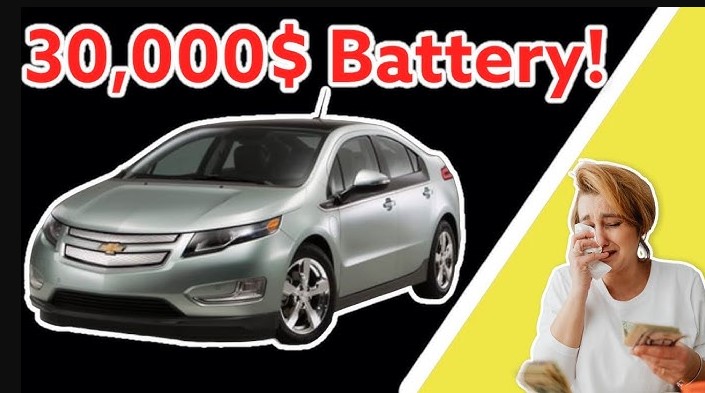
Replacing a hybrid battery typically costs between $2,000 and $6,000 in 2026, depending on your vehicle’s make and model. While this is a significant expense, proper maintenance and understanding your warranty coverage can save you thousands of dollars over the life of your vehicle.
If you are driving a hybrid vehicle in 2026, you probably love the fuel savings and the smooth ride. But there is one question that eventually pops into the mind of every hybrid owner: how much is a hybrid battery if it stops working? It is the elephant in the room for many commuters, especially as their vehicles age past the initial warranty period.
The good news is that battery technology has improved drastically. Hybrid batteries are designed to last a long time, often outliving the original owner’s time with the car. However, life happens.
If you find yourself staring at a check-engine light or noticing that your fuel efficiency is dropping, it is time to look at the numbers. Let’s break down exactly what you can expect to pay and how to navigate the replacement process without breaking the bank.
Key Takeaways
- Cost Variability: A replacement hybrid battery ranges from $2,000 to $6,000, influenced by the chemistry and size of the battery pack.
- Warranty Matters: Most manufacturers offer 8 to 10-year warranties, which often cover the full cost of a defective battery.
- Reconditioned Options: Opting for a reconditioned battery can slash your costs by 30% to 50% compared to buying brand new.
- Signs of Failure: Watch for decreased fuel economy, frequent engine starts, or specific dashboard warning lights to catch issues early.
- Professional Installation: Always use a certified hybrid technician to ensure safety and preserve your vehicle’s complex electrical system.
- Maintenance Habits: Keeping your car in a climate-controlled area and avoiding extreme heat helps extend battery longevity significantly.
Understanding the Cost Breakdown
When you ask, “how much is a hybrid battery,” the answer is rarely a single flat rate. Several factors influence the final invoice you receive from the shop. The primary driver is the vehicle manufacturer. Luxury brands, for instance, often use proprietary high-capacity cells that command a higher premium than those found in standard economy hybrids.
The Price of Brand New OEM Batteries
Buying a brand new Original Equipment Manufacturer (OEM) battery from a dealership is the most expensive route. In 2026, prices for these units generally sit between $3,500 and $6,000. This price usually includes the battery pack itself and a limited warranty from the manufacturer. While it is pricey, you get peace of mind knowing the part is factory-fresh and fully optimized for your specific car’s software.
Refurbished and Reconditioned Alternatives
If you want to save money, many owners turn to refurbished batteries. These units contain cells that have been tested and rebalanced to work like new. You can often find these for $1,500 to $3,000. It is a fantastic way to extend the life of an older car without spending more than the vehicle is worth. Just make sure you are buying from a reputable shop that offers a solid warranty on their labor and parts.
Signs Your Battery Needs Attention
Before you start worrying about how much is a hybrid battery, you should know if you actually need one. Hybrid batteries rarely die instantly; they usually give you warning signs over several months. Paying attention to these signals can help you plan your finances rather than facing an emergency repair bill.
Performance Red Flags
The most common symptom is a noticeable dip in your gas mileage. If you used to get 50 miles per gallon and you are suddenly averaging 35, the battery may be failing to hold a charge effectively. You might also notice that the gas engine is running more often than usual, as the car struggles to rely on electric power.
Dashboard Indicators
Modern vehicles in 2026 are great at self-diagnosing. If you see a “Check Hybrid System” warning on your dash, take it seriously. It does not always mean the entire battery is toast; sometimes, it is just a single faulty module or a cooling fan issue. Always get a professional diagnostic scan before you assume you need a full replacement.
The Warranty Factor
Many owners forget about the long-term warranties that come with hybrids. Because of government mandates and competitive pressures, manufacturers are incentivized to provide long coverage windows. In 2026, most new hybrids come with an 8-year or 100,000-mile warranty on the battery system. Some states even require longer coverage, sometimes up to 150,000 miles.
Checking Your Coverage
Before you search for “how much is a hybrid battery,” pull out your owner’s manual or visit the manufacturer’s website. If your car is within the age or mileage limit, you might be eligible for a replacement at zero cost to you. This is one of the best parts about owning a hybrid compared to a traditional gas car, which rarely has such generous powertrain coverage.
Transferability
If you bought your hybrid used, don’t assume the warranty is gone. Most hybrid battery warranties stay with the vehicle, not the owner. As long as the car meets the age and mileage requirements, you are likely covered. It is definitely worth a call to the local dealership to verify your VIN status.
Professional Installation vs. DIY
You might be tempted to look for a cheap battery online and install it yourself. While some enthusiasts are capable of this, hybrid batteries carry high-voltage warnings. They can be extremely dangerous if not handled with specialized equipment and training. The risk of electric shock or damaging the car’s internal computer is high.
Why Professional Service Pays Off
When you pay a professional, you are not just paying for the part. You are paying for the calibration of the battery management system. A new battery needs to be “introduced” to your car’s computer. If this step is skipped, the car may not recognize the new power source, leading to performance glitches. A shop also provides a warranty on their labor, which acts as an insurance policy if something goes wrong later.
Selecting the Right Technician
Look for shops that specialize specifically in hybrids or EVs. They have the right diagnostic tools and, more importantly, they have safety gear. Ask for a quote that breaks down the labor and the part cost separately. If a shop refuses to show you the breakdown, look elsewhere. Transparency is key when dealing with high-cost repairs.
Extending the Life of Your Battery
Knowing how much is a hybrid battery is useful, but it is even better to avoid buying one for as long as possible. You can treat your battery like a marathon runner; if you pace it correctly, it will last longer. Avoiding extreme conditions is the most important step for long-term health.
Climate Control Tips
Extreme heat is the enemy of all batteries. If you live in an area with scorching summers, try to park in a garage or under shade whenever possible. Keeping the battery pack at a reasonable temperature reduces internal stress and slows down the chemical degradation process. If your car has a dedicated cooling intake vent (usually near the back seat), keep it clear of debris and pet hair.
Steady Driving Habits
Aggressive acceleration and heavy braking put a lot of strain on the battery’s charge and discharge cycles. Gentle driving helps the battery perform at its best. Also, try not to let your car sit for weeks at a time without driving it. A hybrid likes to be used; letting it sit with a depleted battery can cause it to lose its ability to hold a charge effectively.
Conclusion
When you look at the big picture, the question “how much is a hybrid battery” becomes less intimidating. While the price tag of $2,000 to $6,000 is significant, the reality is that these components are incredibly durable.
With modern warranties, professional options for refurbishing, and simple maintenance habits, most owners find that the cost is manageable over the total lifespan of the vehicle. Don’t let the fear of a battery replacement prevent you from enjoying the benefits of hybrid technology.
By keeping up with your scheduled maintenance and staying aware of how your car performs, you can drive with confidence. Your hybrid is a sophisticated piece of engineering, and with a little bit of care, it will reward you with thousands of miles of efficient, reliable travel for years to come.
Frequently Asked Questions
How long do hybrid batteries typically last?
In 2026, most hybrid batteries are built to last between 100,000 and 150,000 miles. Many owners find that with proper care, their batteries continue to function well beyond the 10-year mark.
Can I drive my car if the hybrid battery is failing?
You can often still drive the car, but you will experience significantly reduced fuel economy and less power. It is important to have it inspected quickly, as a failing battery can eventually cause the vehicle to stop running entirely.
Is it worth replacing a hybrid battery in an older car?
It depends on the overall condition of the vehicle. If the engine and body are in great shape, a $2,000 to $3,000 investment for a reconditioned battery can give the car several more years of reliable life.
Does the climate affect hybrid battery life?
Yes, extreme heat and extreme cold can degrade battery performance faster. Storing your car in a garage or moderate climate helps preserve the chemical integrity of the battery cells.
Are there any government incentives for battery replacement?
Generally, there are no government incentives for replacing a worn-out battery, but federal and state laws often mandate long-term battery warranties from the manufacturer. Always check your warranty status before paying out of pocket.
How do I know if I need a full replacement or just a repair?
A professional technician uses diagnostic software to check the health of individual battery cells. Often, they can replace just the faulty modules, which is much cheaper than buying an entirely new battery pack.