
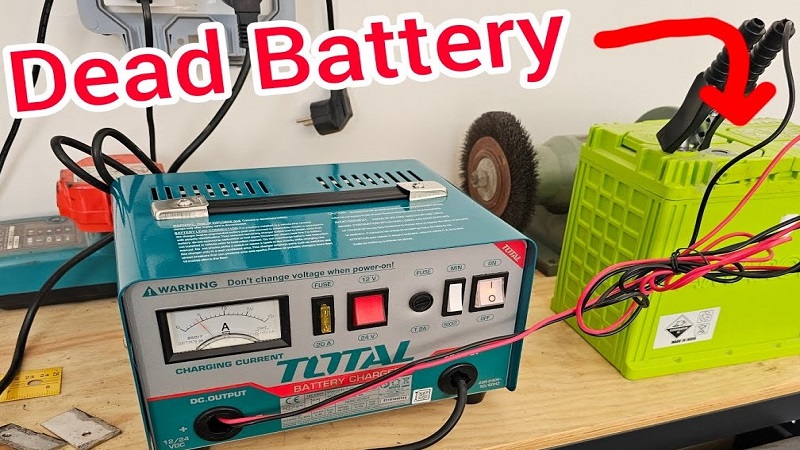
Charging a dead car battery usually takes between 4 to 24 hours depending on the charger’s amperage and the battery’s current capacity. To ensure optimal performance and safety in 2026, always check your battery type and follow the manufacturer’s specific charging guidelines. Proper maintenance prevents unexpected breakdowns and extends your vehicle’s lifespan.
There is nothing quite as frustrating as turning your ignition key in 2026 and hearing that dreaded, slow clicking sound. We have all been there. You are running late for work, or perhaps you are ready to head out for a weekend road trip, and your car simply refuses to start.
A dead battery is a common inconvenience, but it is not necessarily the end of the road for your vehicle. If you find yourself stuck with a car that won’t start, the first thing you need to know is how long to charge a dead car battery.
While many drivers assume that a quick jump-start is all they need, properly charging the battery is often essential to ensure it stays reliable for the long haul. In this guide, we will break down the charging process, the timeframes you can expect, and how to keep your battery performing at its best.
Key Takeaways
- Charging Duration: Most standard car batteries require 4 to 12 hours with a trickle charger or 2 to 4 hours with a high-amperage smart charger.
- Battery Health: Deeply discharged batteries may require up to 24 hours to reach a full 100% state of charge.
- Safety First: Always work in a well-ventilated area and avoid smoking or open flames near a charging battery.
- Charger Amperage: Higher amperage settings charge faster but can damage older batteries; lower amperage is safer for long-term health.
- Temperature Matters: Extreme cold significantly slows down chemical reactions, meaning your battery may take longer to charge in winter.
- Smart Technology: Modern 2026 smart chargers automatically detect battery health and adjust current to prevent overcharging.
Understanding the Basics of Battery Charging
To understand how long to charge a dead car battery, you must first recognize that not all batteries are created equal. In 2026, most vehicles use Lead-Acid, AGM (Absorbed Glass Mat), or Lithium-ion batteries. Each type has different requirements for charging speed and intensity.
The Role of Charger Amperage
The speed at which your battery regains its energy is largely dictated by the charger’s amperage. An amperage rating is the measure of the electrical current flowing into the battery. A 2-amp “trickle” charger is excellent for maintaining a charge or slowly reviving a battery over a full day.
Conversely, a 10-amp or 20-amp charger will push energy into the cells much faster. While fast charging seems convenient, it can build up heat, which might shorten the total lifespan of your battery if done too frequently.
Assessing the Depth of Discharge
How dead is your battery? A battery that simply lost a bit of power because you left the dome light on overnight will charge much faster than a battery that has been sitting for months.
If the voltage has dropped below a critical threshold, the internal chemical reaction takes longer to initiate. Patience is your best tool here. Forcing a charge into a frozen or severely depleted battery can sometimes cause permanent damage to the plates inside.
Estimated Charging Times by Charger Type
When you are looking at the clock, it helps to have a realistic expectation of how long to charge a dead car battery. These estimates are based on a standard 12-volt automotive battery that is fully discharged but otherwise in good health.
Trickle Chargers (2 to 4 Amps)
If you have time on your side, a trickle charger is the safest method. It slowly feeds power to the battery, allowing the electrolyte solution to stabilize. Expect this process to take anywhere from 12 to 24 hours. This is the preferred method for anyone storing a classic car or a vehicle that won’t be driven for a while.
Standard Smart Chargers (5 to 10 Amps)
Most home enthusiasts use a smart charger in this range. These devices are “smart” because they stop charging once the battery reaches capacity. For a completely dead battery, these chargers typically require 6 to 12 hours to complete the job. It is a great middle-ground for the average driver in 2026.
High-Output Chargers (15+ Amps)
These are often found in professional garages. While they can get a battery enough power to start a car in under an hour, they aren’t ideal for a full, deep-cycle charge. If you use this method, monitor the battery temperature closely. If it feels hot to the touch, disconnect the charger immediately and let it cool down.
Safety Precautions While Charging
Working with electricity and car batteries requires respect and caution. Even in 2026, the chemistry inside a car battery remains volatile. When considering how long to charge a dead car battery, never overlook the environment in which you are working.
Ventilation and Gas
Batteries can emit hydrogen gas while they are being charged. This gas is highly flammable. Always ensure you are charging in a garage with the door open or in an outdoor area. Never smoke or bring an open flame near the battery while it is hooked up to a charger.
Connection Order Matters
Always connect the positive (red) cable to the positive terminal of the battery first, then connect the negative (black) cable to a clean metal grounding point on the vehicle frame. When disconnecting, reverse the order. This prevents sparking directly at the battery terminal, which is the most common cause of accidental battery ignition.
Factors That Influence Charging Speed
Several external factors can change the answer to how long to charge a dead car battery. It is not just about the charger; it is also about the environment.
Temperature Fluctuations
Chemical reactions move slower in the cold. If you are charging your battery in a freezing garage in the middle of January, expect the process to take significantly longer than it would in the summer. Some modern smart chargers have a “winter mode” that compensates for this by slightly increasing the charging voltage.
Battery Age and Condition
As a battery gets older, its internal resistance increases. This means it physically cannot accept a charge as efficiently as it did when it was new. If you find yourself wondering why your battery takes 24 hours to charge every time, it might be a sign that the battery is nearing the end of its life and needs to be replaced.
When Should You Replace Instead of Charge?
There comes a point where asking how long to charge a dead car battery is moot because the battery is simply beyond help. In 2026, most quality batteries last between three to five years.
Signs of a Dying Battery
If your battery is constantly losing its charge, check for physical signs. A bulging case, leaking fluid, or corroded terminals that won’t stay clean are all indicators that the battery should be retired. If the charger indicates a “fault” or “error” message immediately upon connection, the battery likely has a shorted cell and will not hold a charge regardless of how long you leave it plugged in.
Cost vs. Convenience
Replacing a battery is an investment in reliability. While it is tempting to try and squeeze every last drop of life out of an old unit, the risk of getting stranded in a remote location is rarely worth the savings. If you have charged your battery twice in one month and it is still going flat, it is time to head to the auto parts store.
Conclusion
Ultimately, knowing how long to charge a dead car battery is about balancing safety, speed, and the long-term health of your vehicle’s electrical system. For most situations, a standard smart charger running for 8 to 12 hours is the “gold standard” for reviving a battery without causing unnecessary stress to the cells.
By keeping your battery clean, ensuring your connections are tight, and using a smart charger that prevents overcharging, you can avoid the headache of a dead vehicle.
Whether you are prepping for a cross-country trip or just trying to get to the grocery store, a little bit of patience during the charging process will pay off in years of reliable starting power. Stay safe, drive smart, and keep your battery in top shape for everything 2026 has to offer.
Frequently Asked Questions
Can I drive the car immediately after jump-starting it?
Yes, but only briefly. A jump-start provides enough power to get the engine running, but you should drive the vehicle for at least 30 minutes to allow the alternator to recharge the battery significantly.
What does it mean if my battery won’t hold a charge?
If your battery loses power again shortly after a full charge, it usually indicates a failing battery, a parasitic electrical draw, or a faulty alternator that isn’t charging while driving.
Is it bad to leave a car battery on a charger for too long?
It depends on the charger. Older “dumb” chargers can overcharge and boil the battery, while modern smart chargers automatically switch to a maintenance mode that is perfectly safe to leave on for weeks.
Do I need to disconnect the battery from the car to charge it?
It is not strictly necessary for most modern vehicles, but disconnecting the negative terminal is a safer practice to prevent electrical surges from potentially damaging your car’s sensitive computer modules.
How do I know if my battery is fully charged?
Most modern smart chargers have an LED indicator light that switches from orange or red to green when the battery is fully charged. Alternatively, you can use a digital multimeter to check if the battery reads approximately 12.6 to 12.8 volts.
Will a dead battery affect my car’s gas mileage?
A dead or weak battery forces the alternator to work harder, which creates a slight extra load on the engine. While it is unlikely to drastically change your fuel economy, a healthy electrical system is always better for overall engine performance.