
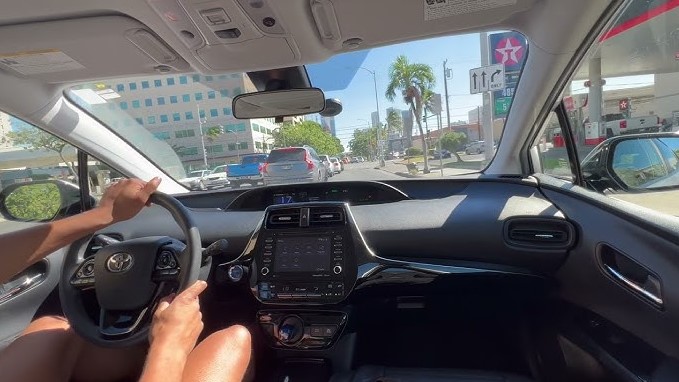
Most Toyota Prius hybrid batteries are designed to last between 150,000 and 200,000 miles, often outliving the original ownership period of the vehicle. While individual results vary based on driving habits and climate, proper maintenance and consistent usage remain the best ways to ensure your battery performs reliably well into the future.
If you are thinking about buying a hybrid or you already own a Toyota Prius, you probably have one big question on your mind: how long do Prius batteries last? It is the million-dollar question for every hybrid owner.
You want to save money on gas, but you also don’t want to get stuck with a massive repair bill a few years down the road. The good news is that Toyota has spent decades perfecting its hybrid technology, making the Prius one of the most reliable cars on the planet.
In 2026, we have more data than ever before. We have seen Prius models pass the 300,000-mile mark with their original battery packs still humming along perfectly. While no battery lasts forever, these units are incredibly robust. Let’s look at why they last so long, what kills them, and how you can stretch your battery life to the limit.
Key Takeaways
- Longevity Expectations: A typical Prius battery is built for 150,000 to 200,000 miles, or roughly 10 to 15 years of standard driving.
- Climate Impact: Extreme heat is the primary enemy of hybrid batteries; cars kept in moderate climates often see longer battery life.
- Usage Matters: Letting a hybrid sit unused for months can lead to cell degradation; regular driving keeps the battery chemistry healthy.
- Warning Signs: Watch for decreased fuel economy, frequent engine cycling, and dashboard warning lights as indicators of an aging battery.
- Replacement Options: Owners can choose between brand-new OEM batteries, high-quality remanufactured units, or aftermarket upgrades.
- Warranty Protection: Most 2020 and newer Toyota hybrid batteries carry extensive warranty coverage, sometimes up to 10 years or 150,000 miles.
Understanding Hybrid Battery Chemistry
To understand how long do Prius batteries last, we first need to look at what is under the floorboards. Most older and even many newer Prius models use Nickel-Metal Hydride (NiMH) battery technology. Toyota chose this chemistry because it is stable, safe, and can handle the constant charge-discharge cycles of a hybrid vehicle without burning out quickly.
The Cycle Life of a Battery
Think of your hybrid battery like a sponge. Every time you drive, the car charges and drains the battery slightly. This is called a cycle. Unlike the battery in your phone, which hits zero and charges to 100 every night, the Prius battery management system is very smart.
It keeps the battery in a “sweet spot” usually between 40% and 80% charge. By never letting it get completely empty or totally full, the system prevents the chemical stress that usually kills batteries.
Temperature Control
The battery pack in your Prius has its own cooling system. Whether it is an air-intake vent near the back seat or an active cooling system, keeping the battery at a stable temperature is key. Heat is the natural enemy of any battery. If your car is constantly parked in the desert sun, the internal cells will degrade faster than they would in a moderate climate.
Signs Your Battery Is Reaching Its Limit
Most of the time, the battery doesn’t just die overnight. It gives you little hints. If you are wondering if yours is on its way out, pay attention to these common symptoms.
Poor Fuel Economy
The Prius is famous for its high gas mileage. If you notice your fuel gauge dropping much faster than usual, your battery might be struggling to hold a charge. When the battery is weak, the gasoline engine has to work much harder to provide power and charge the battery, which burns more fuel.
Frequent Engine Cycling
If you notice the gas engine running while you are at a stoplight when it should be in “EV mode” that is a sign. If the car cannot hold enough charge, the computer will keep the engine on to maintain electrical power. This is a classic symptom of a battery that is starting to lose its capacity.
Dashboard Warning Lights
Toyota’s computer system is very good at “self-diagnosing.” If the “Check Hybrid System” light appears on your dashboard, it is time to stop by a mechanic. This doesn’t always mean the battery is dead, but it usually means the car has detected an imbalance in the battery cells.
Driving Habits That Extend Battery Life
You have more control than you think. You don’t have to be a mechanic to help your battery last longer. By changing a few simple habits, you can potentially add tens of thousands of miles to the lifespan of your vehicle.
The “Don’t Park It” Rule
The worst thing you can do to a Prius battery is let the car sit for months on end. If you are going on a long trip or have a second car, try to drive the Prius at least once every two weeks. When the battery sits idle for a long time, the voltage can drop below a critical level, which causes long-term damage to the internal cells.
Keep the Vents Clear
Most Prius models have a small air vent, usually located near the passenger side of the rear seat. This vent pulls air into the battery compartment to cool it down. If you have kids, pets, or lots of gear, that vent can get clogged with dust or hair. Vacuum it regularly! A cool battery is a happy, long-lasting battery.
Smooth Acceleration
You don’t need to drive like a race car driver. Fast, jerky acceleration forces the battery to dump a lot of power at once. Gentle, smooth driving puts less stress on the chemical bonds inside the battery cells. Think of it as “preserving the juice” for as long as possible.
Replacement Options in 2026
If you reach the point where you do need a new battery, don’t panic. The market for Prius batteries has matured significantly. You have three main paths to get your car back on the road.
New OEM Batteries
The safest choice is buying a brand-new battery from a Toyota dealership. You get the peace of mind of a fresh warranty and the latest engineering updates from Toyota. It is the most expensive option, but for many, the reliability is worth the price.
Remanufactured Battery Packs
There is a massive industry for “refurbished” or “remanufactured” hybrid batteries. These companies take old packs, test every single cell, replace the bad ones, and rebuild the pack. It is an eco-friendly way to get your car running again at a fraction of the cost. Just make sure to buy from a reputable company that offers a solid warranty.
DIY Replacement
For the handy individual, replacing a Prius battery is a manageable project. Many owners buy a kit online and swap it out over a weekend. There are thousands of videos and guides available. However, please remember that these batteries hold high voltage. If you aren’t comfortable with electrical work, it is always better to leave this to a professional.
The Future of Prius Batteries
As we move deeper into 2026, battery technology continues to evolve. While most older Prius models still use NiMH technology, newer generations are moving toward Lithium-Ion (Li-ion) packs. Lithium-ion batteries are lighter, more efficient, and can handle even more cycles than their predecessors. This means the question of “how long do Prius batteries last” is becoming even less of a concern for new car buyers.
Efficiency Gains
The modern Prius is not just a commuter car; it is a high-tech machine. The software managing the battery is now more “predictive,” meaning it can adjust based on the terrain you are driving on. This smart management is the secret sauce that makes modern hybrids feel like they will last forever.
Conclusion: Why You Should Not Worry
Ultimately, the answer to how long do Prius batteries last is simple: long enough that you probably won’t have to worry about it for the vast majority of your ownership. Toyota built these cars to be the workhorses of the automotive world. Whether you are driving a 2010 model or a brand-new 2026 version, the hybrid system is designed for durability.
By keeping your battery cool, driving the car regularly, and staying on top of basic maintenance, you are doing everything right. If the day does come when you need a replacement, consider it a small investment to keep a great, fuel-efficient vehicle on the road for another 100,000 miles. Keep driving, keep smiling, and enjoy the hybrid life!
Frequently Asked Questions
Do I have to replace the whole battery if one cell goes bad?
In most cases, you cannot replace just one individual cell because they are balanced as a set. However, professional remanufacturers can replace a module of cells to restore the battery’s health at a lower cost than a full unit.
Does cold weather kill Prius batteries?
Cold weather doesn’t “kill” the battery, but it does make it less efficient. You may notice a temporary dip in fuel economy during the winter, but once the weather warms up, the battery performance usually returns to normal.
How much does a replacement battery cost in 2026?
Depending on whether you choose a new OEM battery or a remanufactured unit, costs typically range from $1,500 to $3,500 including labor. Prices vary based on the specific year and model of your Prius.
Is it better to drive a Prius in “EV” mode or normal mode?
The car’s computer is smarter than the driver, so it is best to leave it in the default driving mode. The computer constantly balances the engine and battery to ensure maximum longevity and efficiency.
How can I tell if my battery is getting too hot?
If the battery cooling fan is running at high speed and sounds very loud, or if you get an error message on the screen, your battery is overheating. Ensure the vent in the back seat is clear of obstructions like clothes or bags.
Do newer Prius models have better batteries than older ones?
Yes, newer models use advanced Lithium-Ion batteries that are lighter and more energy-dense. These batteries are designed to handle more frequent discharge cycles, potentially lasting even longer than the older NiMH versions.