
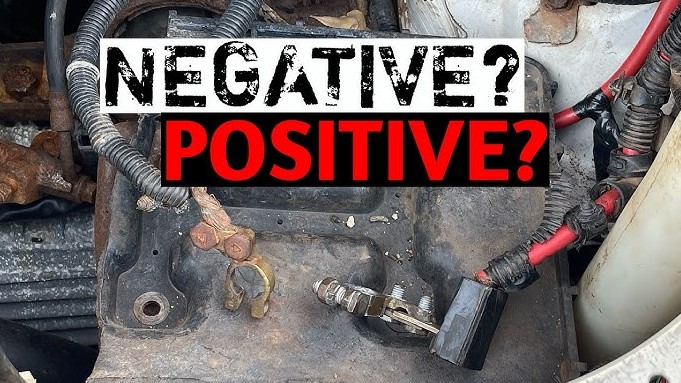
The positive terminal on a car battery is almost always identified by the color red. It is also marked with a plus sign (+) symbol to ensure you connect your cables safely and avoid electrical damage to your vehicle.
If you have ever popped the hood of your car, you might have felt a little nervous. With all those wires, hoses, and moving parts, it is easy to see why. One of the most common tasks a driver might face in 2026 is needing a quick jump-start or replacing an old battery. When you look at the battery, the first question that pops into your head is usually: what color is positive on a battery?
Knowing this simple fact can save you a lot of trouble. Getting it wrong can lead to sparks, blown fuses, or even damage to your car’s sensitive computer systems. We want you to feel confident and safe whenever you handle your vehicle. Let’s break down the basics so you never have to guess again.
Key Takeaways
- Universal Standards: The color red is the global industry standard for the positive terminal on a battery.
- The Plus Symbol: Always look for the (+) sign embossed on the plastic casing near the terminal if color fading makes identification difficult.
- Safety First: Never touch both terminals with a metal tool at the same time to prevent dangerous sparks or short circuits.
- Sequence Matters: When jump-starting or replacing a battery, always connect the positive cable first and disconnect it last.
- Black Equals Negative: The black cable or terminal represents the negative side, which is typically grounded to the vehicle’s frame.
- Corrosion Check: If you cannot tell the color because of white or blue corrosion, use a wire brush to clean the terminal before attempting any connection.
Understanding the Color-Coded Battery System
In the world of automotive engineering, clarity is everything. Manufacturers use universal colors to make sure mechanics and drivers all over the world can understand the system instantly. This is why you will find a very specific color scheme across almost every car on the road today.
Why Red Means Positive
The color red is used to signify the positive side of the battery. Think of red as “hot” or “high energy.” Because the positive terminal is the source of the electrical current flowing to your starter and your engine’s electrical components, red serves as a high-visibility warning. It tells you that this is the active side of the circuit. In 2026, most battery covers and cables follow this strict color code to prevent accidents during maintenance.
The Negative Side Explained
If red is positive, then black is the negative side. You might wonder why we need a negative side at all. Electricity needs a loop to flow. It leaves the positive terminal, travels through your car’s electronics, and returns to the battery through the negative side, which is connected to the vehicle’s metal frame. This is often called the “ground.” Just like the positive side, the negative side is almost always marked with a minus sign (-) to help you identify it.
How to Identify Terminals When Colors Fade?
Sometimes, time is not kind to car parts. Under the hood, your battery faces intense heat, moisture, and road salt. Over a few years, the bright red plastic cap on your positive terminal might fade, crack, or fall off entirely. What happens then? Do not panic, because the manufacturer has a backup plan for you.
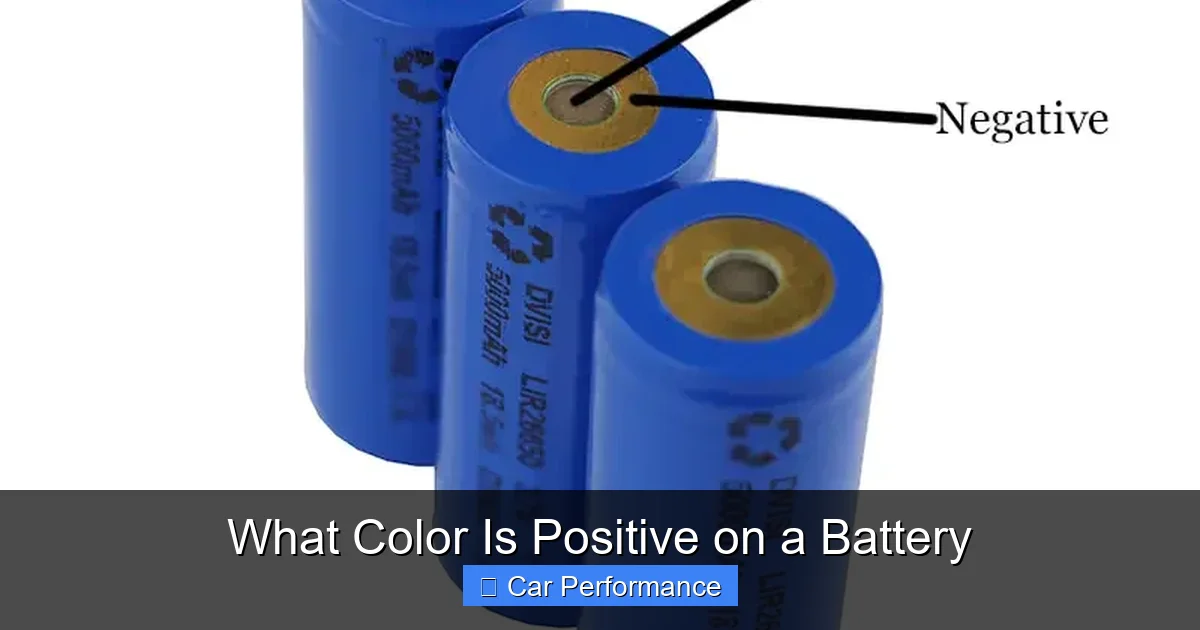
Visual guide about What Color Is Positive on a Battery
Image source: i2.wp.com
Looking for the Embossed Symbols
Engineers know that plastic parts can get dirty or damaged. That is why they mold identifying marks directly into the battery case. Look closely at the plastic casing near the metal posts. You will usually find a large (+) symbol for the positive side and a (-) symbol for the negative side. These marks are permanent. Even if the cable insulation has turned a muddy color, those symbols will stay there for the life of the battery.
Checking the Size of the Posts
If you cannot find the symbols and the colors are gone, you can look at the size of the metal posts themselves. On many standard automotive batteries, the positive post is slightly thicker than the negative post.
This design is meant to prevent people from accidentally putting the cables on the wrong way. If a cable fits tightly on one side but feels loose on the other, take a moment to double-check your work. Never force a cable onto the wrong terminal.
Safety Rules for Handling Battery Connections
Handling batteries is not inherently dangerous if you follow the right steps. The biggest risk comes from creating a short circuit. This happens if you touch a metal wrench to the positive terminal and any part of the metal car body at the same time. This creates a direct path for electricity to jump, which can cause a serious spark.
Always Connect the Positive First
When you are installing a new battery, always attach the red, positive cable first. Once that is tightened down, you can attach the black, negative cable. Why does this matter? If you connect the negative side first and your wrench slips while you are trying to tighten the positive side, you will create a short circuit. If the negative side is not connected yet, the circuit is open, and you are much safer.
Disconnecting in Reverse
When you take a battery out, do the opposite. Remove the negative cable first, then the positive one. This ensures that as soon as the negative side is disconnected, the electrical path is broken. You can then remove the positive side without any risk of sparks, even if your tool touches the car body. This simple rule is the secret to professional-level battery work.
Dealing with Corrosion and Grime
If you look at your battery and see a crusty, white, or blue powder around the terminals, you are looking at corrosion. This is a common side effect of chemical reactions inside the battery. Unfortunately, this corrosion can hide the color of the cables and make it hard to identify what color is positive on a battery.
How to Clean Your Terminals Safely
Before you try to jump-start or remove a battery, you should clean it. Use a mixture of baking soda and water on an old toothbrush. Gently scrub the terminals until the metal is shiny again. This will make it much easier to see the symbols and colors. It also ensures that your connections are strong, which helps your car start faster in cold weather.
Wear Protection
Battery corrosion contains acid that can irritate your skin and ruin your clothes. Always wear gloves and safety glasses when cleaning your battery. If the powder is thick, be careful not to breathe in any dust. Once you have cleaned the area, wipe it down with a damp cloth to ensure you have a clean surface for the cables to grip.
Common Mistakes to Avoid in 2026
Even with all this information, people still make mistakes. The most common one is assuming that because a cable is under the hood, it must be the right one. Always trace the cable from the terminal to where it goes. The positive cable usually leads to the starter motor and the fuse box. The negative cable usually disappears into a bolt on the side of the engine block or the car’s body.
The Danger of Reverse Polarity
Connecting the battery backward putting the red cable on the negative terminal and the black cable on the positive is called reverse polarity. This is very bad for modern cars. In 2026, vehicles have computers that control everything from your fuel injection to your infotainment. A sudden burst of power in the wrong direction can fry these expensive chips in a split second. Always double-check your connections before you finish the job.
Using the Right Tools
Use an insulated wrench if you have one. If not, be very careful with your metal tools. Wrap a little electrical tape around the handle of your wrench to add a layer of protection. If you are ever unsure about a connection, stop and ask for help. It is much better to take five minutes to verify the positive side than to spend thousands on electrical repairs.
Conclusion
Knowing what color is positive on a battery is a fundamental skill for every car owner. It is the first step toward being self-reliant and keeping your vehicle running smoothly. By remembering that red is always positive and black is negative, you eliminate the biggest part of the guesswork. Always look for the plus and minus signs, check your cable paths, and keep your terminals clean of corrosion.
Remember, when in doubt, trace the cables and use the embossed markings on the battery. Safety should always be your top priority. With these simple tips, you can handle minor electrical maintenance with the confidence of a pro. Keep your battery well-maintained, stay observant, and enjoy the peace of mind that comes with knowing your car inside and out.
Frequently Asked Questions
Is the positive terminal always red?
In almost all cases, yes, the positive terminal is red. However, always look for the plus (+) sign on the battery casing to confirm, as some older or custom cables may not follow the standard color coding.
What happens if I connect the battery backward?
Connecting a battery backward is known as reverse polarity. This can cause massive electrical surges that may blow your car’s fuses or permanently damage the onboard computer and sensitive electronic sensors.
Does the negative terminal have a color?
Yes, the negative terminal is almost universally identified by the color black. It is also marked with a minus (-) sign to differentiate it from the positive terminal.
Should I wear gloves when touching battery terminals?
Yes, wearing gloves is highly recommended when handling car batteries. They protect your skin from battery acid, corrosion, and grime, keeping you safe during your inspection or repair.
Why does my battery have white powder on it?
That white powder is corrosion, which occurs when battery gases react with the metal terminals. It is a normal byproduct of battery use but should be cleaned periodically to ensure a good electrical connection.
What should I do if my battery cables are not red and black?
If your cables are a different color, do not rely on them. Instead, follow the cables back to the engine to see where they go, or check the battery casing for the (+) and (-) symbols molded into the plastic.