
Yes, a bad starter can absolutely drain your car battery if it has an internal electrical short. While starters are designed to draw power only during ignition, a faulty solenoid or grounded wire can create a continuous power draw that leaves you stranded with a dead battery.
Picture this: It is a crisp morning in 2026. You are running late for a meeting, you jump into your car, turn the key, and… nothing. Just a sad, rhythmic clicking sound. Your first thought is usually that your battery is dead, so you grab your jumper cables.
But what if you jump it, drive for an hour, and find it dead again the next morning? Many drivers immediately blame the battery, but the real villain might be hidden under the engine block. You might be asking yourself: can a bad starter drain a battery? The answer is a resounding yes.
Understanding how your car starts is like understanding a relay race. Your battery holds the energy, and the starter motor acts as the runner who kicks off the engine. If that runner decides to stay on the track and never leave, they are going to exhaust the entire team.
In the world of automotive mechanics, a malfunctioning starter can transform from a tool that helps you start your car into a parasite that consumes every bit of power your battery has to offer. Let’s dive into how this happens and what you can do about it.
Key Takeaways
- Electrical Shorts: A starter with an internal short circuit will pull current from the battery even when the key is off.
- Stuck Solenoid: If the starter solenoid gets stuck in the closed position, it creates a direct link that drains your power.
- Visible Signs: Watch for clicking sounds, slow engine cranking, or the smell of burning plastic near the starter motor.
- Voltage Drop Tests: Using a multimeter is the best way to verify if your starter is the culprit behind your battery issues.
- Battery vs. Starter: Always rule out a loose terminal or an old battery before blaming the starter motor itself.
- Professional Help: If you aren’t comfortable working with high-amperage cables, a local shop can perform a quick load test.
The Anatomy of a Starter Circuit
To understand why a starter can drain your battery, you need to know how it is wired. A starter motor is a high-power device. It requires a massive amount of amperage to turn your engine over. Because of this, it is directly connected to your battery through a thick, heavy-duty cable.
The Role of the Solenoid
The solenoid is essentially a high-power switch. When you turn your ignition key or press the start button, a small amount of electricity flows to the solenoid. This creates a magnetic field that pulls a plunger, which connects the battery’s power directly to the starter motor.
When you release the key, the solenoid should disengage, cutting off that flow. This is the critical moment where things can go wrong. If that switch gets stuck, the connection remains active, and the battery begins to drain.
Electrical Resistance and Shorts
Sometimes, the problem isn’t a stuck switch but an internal electrical short. Over time, the insulation inside the starter can break down due to extreme heat from the engine.
If the internal copper windings touch the metal housing of the starter, electricity takes the path of least resistance. Instead of turning the motor, the energy just flows to the ground. This turns your battery into a furnace, wasting energy that should have been used for your next start.
Signs Your Starter Is Stealing Power
How do you know if the issue is a simple dying battery or a devious starter motor? There are several tell-tale signs. One of the most obvious is the heat. If you touch the starter motor after the car has been sitting for a while and it feels warm that is a huge red flag. It means current is flowing when it absolutely should not be.
The Click of Doom
You know that rapid clicking sound? If it happens even when the battery has plenty of voltage, it suggests the solenoid is struggling to engage. This struggle often requires extra current, which puts unnecessary stress on the battery. If you notice your lights dimming significantly every time you try to start the car, that is a sign that the starter is pulling more load than it should.
Strange Odors
Electrical fires are rare, but smoldering insulation is not. If you smell something acrid, like burning plastic, coming from the engine bay, check near the starter. A shorted-out starter motor often emits this smell as the internal components heat up. If you notice this, you should disconnect your battery immediately to prevent further damage to your electrical system.
Testing Your Electrical System
You don’t need to be a professional mechanic to perform some basic diagnostic checks. In 2026, most digital multimeters are affordable and easy to use. Start by measuring your battery voltage while the car is off. A healthy battery should read around 12.6 volts. If it is significantly lower, you have a parasitic drain.
The Amp Draw Test
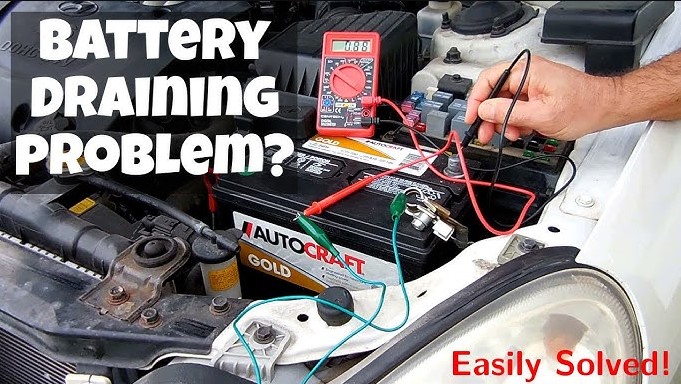
This is the definitive way to answer “can a bad starter drain a battery.” You can set your multimeter to read amperage and place it in series with the battery cable. If your car is off and all doors are closed, you should see a very low reading.
If you see a large spike in amperage, your car is “leaking” power. By pulling the fuse for the starter solenoid, you can see if the amperage reading drops. If it does, you have confirmed that your starter circuit is the source of the drain.
Professional Load Testing
If you aren’t comfortable with a multimeter, take your car to an auto parts store. Most of them offer free battery and starter testing. They use a specialized tool that puts a load on the battery to see how it performs under stress. If the battery is fine but the starter shows excessive resistance or voltage drops, you have found your problem.
Common Causes of Starter Failure
Why do starters fail in the first place? It is usually a combination of environmental factors and age. Starters live in one of the most difficult parts of the car. They are constantly subjected to extreme heat, road vibration, and moisture.
Heat Soak and Insulation Wear
The heat generated by your engine can make the materials inside the starter brittle. Over several years, the rubber and plastic insulators can crack. Once these cracks appear, moisture from the road can seep in, creating a path for electricity to “leak.” This is why starter issues are more common in older, high-mileage vehicles.
Accumulated Grime
Oil leaks are a silent killer of starter motors. If your engine has a small oil leak, it might drip directly onto the starter. Oil and electricity do not mix well. Over time, the oil can break down the protective casings of the starter, leading to internal shorts. Keeping your engine bay clean is a simple way to extend the life of your electrical components.
Repairing or Replacing Your Starter
So, you have determined that your starter is indeed the one draining your battery. What now? You generally have two choices: repair the solenoid or replace the entire starter assembly. Given that most modern starters are factory-sealed, replacement is usually the most reliable route.
Choosing the Right Part
When buying a replacement in 2026, you will see options for “new” or “remanufactured” units. New units are more expensive but offer more peace of mind. Remanufactured units are cheaper and generally very reliable, as they have been rebuilt to factory specifications. If you plan on keeping your car for several more years, buying a new, high-quality starter is usually the better investment.
Tips for Installation
Installing a starter is a relatively straightforward job for most vehicles, but it requires caution. Always disconnect the battery cables before touching the starter. Even if the starter is broken, the main cable coming from the battery is “hot” and can cause a dangerous short if your wrench touches the metal frame of the car. Keep track of your bolts, and if the starter uses shims, make sure they go back exactly where they came from to ensure proper gear alignment.
Prevention and Maintenance
Can a bad starter drain a battery? Yes, but you can prevent it. The best way to keep your starting system healthy is through regular maintenance. Check your battery terminals for corrosion, as dirty connections cause the starter to work harder. Hard starting puts stress on the solenoid, which can lead to it sticking.
Listen to Your Car
Cars often give us warnings before they fail completely. If your engine sounds “tired” or slow to crank, do not ignore it. A slow crank is often the first sign that your starter is failing or that your battery is losing its ability to hold a charge. Addressing these small issues early can save you from an expensive tow truck bill later.
Protecting Your Electrical System
Consider using dielectric grease on your electrical connectors. This helps prevent moisture and corrosion from building up, ensuring that the signal from your ignition key reaches the solenoid without interference. A clean, well-connected electrical system is the best defense against parasitic drains and starter failures.
Conclusion
The relationship between your battery and your starter is a delicate balance of electrical power. While the starter is only meant to be a guest in the electrical system, a fault can turn it into an unwanted tenant that refuses to leave. By recognizing the signs early the heat, the strange noises, and the mystery battery drains you can identify the problem before it leaves you stranded.
Remember, the answer to “can a bad starter drain a battery” is yes, but it is a problem that is entirely fixable. Whether you choose to troubleshoot the electrical short yourself or take it to a trusted shop, addressing the root cause will save you from replacing perfectly good batteries. Keep your connections clean, listen to the sounds your car makes, and you will enjoy many miles of reliable, trouble-free starting in 2026 and beyond.
Frequently Asked Questions
How long does a starter usually last?
Most car starters last between 100,000 and 150,000 miles. However, factors like frequent stop-and-go driving or engine oil leaks can significantly shorten their lifespan.
Is it expensive to replace a starter?
The cost varies depending on your vehicle make and model, typically ranging from $300 to $900 including labor. Parts are often more affordable if you choose a remanufactured unit.
Can I test a starter without taking it out of the car?
Yes, you can perform a voltage drop test or an amp draw test while it is still installed. These tests are the best ways to confirm if the starter is pulling too much power.
What if I hear a grinding noise when I try to start the car?
A grinding noise often indicates that the starter gear is not properly engaging with the flywheel. This could be due to a loose mounting bolt or worn-out teeth on the gears.
Does a bad alternator drain the battery too?
Yes, a bad alternator can also cause battery drain if the internal diodes fail. It is always a good idea to check both the alternator and the starter if you have a mystery battery drain.
Should I replace the battery if I replace the starter?
Not necessarily, but you should have the battery tested. If the bad starter has been constantly draining the battery, it may have caused permanent damage to the battery cells.