
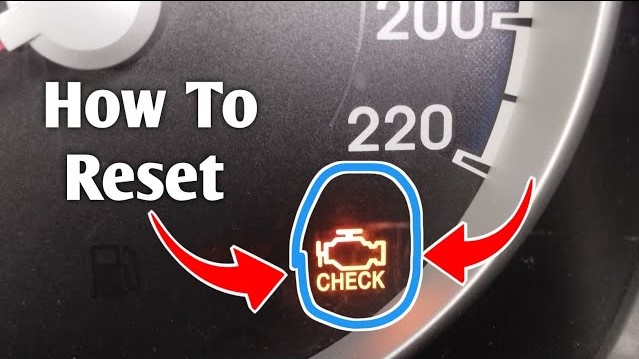
Resetting your check engine light without disconnecting the battery is a smart, safe way to clear temporary glitches. By using an OBD-II scanner or specific drive cycles, you can resolve the warning without losing your radio presets or engine computer memory. Always remember to address the underlying issue first, as the light is there to protect your vehicle.
There is nothing quite as annoying as that little orange light popping up on your dashboard when you are least expecting it. We have all been there—driving down the road in 2026, listening to our favorite podcast, when suddenly, the dreaded engine icon appears.
Many people immediately think they need to pop the hood and yank the battery cables to clear it. However, that is an outdated and risky move that can wipe out your car’s settings and even reset crucial self-learning modules.
The good news is that you can reset check engine light without disconnecting battery power. Modern vehicles are smarter than ever, and there are much better ways to interact with your car’s brain. In this guide, we will walk you through the safest, most modern techniques to get that light turned off so you can get back to driving with peace of mind.
Key Takeaways
- Use the Right Tools: An OBD-II scanner is the most reliable way to reset check engine light without disconnecting battery power.
- Prioritize Safety: Never clear a code before diagnosing the actual problem, as ignored issues can lead to expensive repairs.
- The Drive Cycle Method: Sometimes, simply driving your car through a specific sequence of conditions will automatically clear a temporary fault.
- Preserve Data: Avoiding battery disconnection keeps your infotainment settings, clock, and powertrain control module (PCM) memory intact.
- Professional Help: If the light returns immediately, visit a professional mechanic to avoid long-term damage to your engine.
Understanding Why Your Check Engine Light Is On
Before you look for ways to reset check engine light without disconnecting battery, it is vital to know why it turned on in the first place. Your car’s On-Board Diagnostics system, known as OBD-II, is constantly monitoring your engine, transmission, and exhaust systems. When a sensor detects something is off—like a loose gas cap or a misfiring spark plug—the computer stores a “Diagnostic Trouble Code” or DTC.
The Role of Sensors
Modern cars are packed with sensors. From the oxygen sensor in your exhaust to the mass airflow sensor near your air filter, these components talk to your car’s computer every millisecond. When one of these sensors sends a signal that falls outside the expected range, the computer alerts you. If you simply reset the light without fixing the problem, the light will just come back on, usually within a few miles.
Is It an Emergency?
If the light is steady, it usually means you have some time to get it checked out. If the light is blinking, that is a warning to pull over immediately. A flashing light often indicates a severe engine misfire, which can dump unburned fuel into the exhaust system and ruin your catalytic converter. In that case, do not try to reset the light; seek professional help right away.
The Best Way: Using an OBD-II Scanner
If you want to know how to reset check engine light without disconnecting battery effectively, the best investment you can make is an OBD-II scanner. In 2026, these devices are incredibly affordable, compact, and often sync directly with your smartphone via Bluetooth.
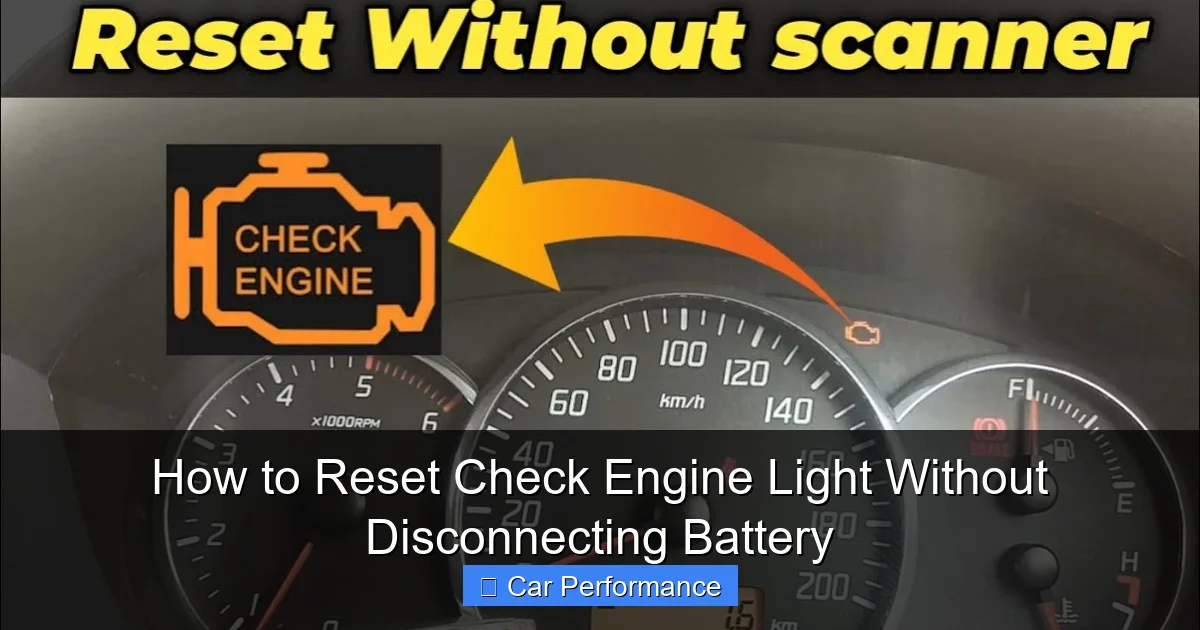
Visual guide about How to Reset Check Engine Light Without Disconnecting Battery
Image source: i.ytimg.com
Choosing Your Scanner
You do not need to spend hundreds of dollars. Many entry-level scanners provide the same basic functionality: reading codes and clearing them. Look for a model that is compatible with your specific make and model. Some advanced scanners even give you repair suggestions based on the specific code found.
The Step-by-Step Reset Process
To use your scanner, locate the OBD-II port under your dashboard. It is usually on the driver’s side, near your knees. Plug the scanner in, turn your ignition to the “On” position (without starting the engine), and follow the prompts on the device or your app.
You will see an option to “Clear” or “Reset” the codes. Confirm the action, and the light should vanish instantly. It is that simple, and you have not lost a single saved radio station or seat memory setting.
The Drive Cycle Method
Did you know your car can sometimes fix its own confusion? If the problem that triggered the light was a one-time glitch, or if you have already fixed the underlying issue (like tightening your gas cap), the car might reset the light on its own. This happens through what technicians call a “Drive Cycle.”
What is a Drive Cycle?
A drive cycle is a specific sequence of driving conditions including cold starts, idle time, and highway cruising—that allows the computer to run its internal self-tests. If the car completes these tests successfully for a certain number of trips, the computer determines the problem is gone and turns off the light automatically.
How to Trigger It
You cannot force this instantly, but you can encourage it. Start by letting the car sit for a few hours so the engine is completely cold. Drive the car gently for at least 15 to 20 minutes, including a mix of city driving and steady-speed highway driving. Do not aggressively accelerate or slam on the brakes. After a few of these “trips,” the light will often turn off if the system no longer detects a fault.
Common Fixes That Clear the Light
Often, people search for how to reset check engine light without disconnecting battery because they want to avoid a mechanic visit for something simple. Sometimes, the fix is literally right in front of you. Here are the most common culprits for that annoying dashboard glow.
The Loose Gas Cap
Believe it or not, a loose or damaged gas cap is the most common reason for a check engine light. Your car’s evaporative emission system tests for leaks in your fuel system. If your gas cap is not sealed tight, the system thinks there is a leak. Tighten the cap until it clicks, and after a few days of normal driving, the light will often turn off on its own.
Minor Sensor Glitches
Sometimes sensors get a bit “dirty” or give a false reading due to extreme weather changes or vibrations. If you clear the code with a scanner and the light stays off for weeks, it was likely just a temporary sensor blip. If the light comes back immediately, it is time to look at replacing that sensor.
Why You Should Avoid Battery Disconnection?
You might be tempted to just pull the negative terminal cable to force a reset. While this does clear the computer’s volatile memory, it is a bad habit for several reasons. In 2026 vehicles, the computer does more than just control the engine; it learns your driving habits and manages sensitive electronics.
Loss of Learned Data
Your car’s Transmission Control Module and Engine Control Module use “adaptive learning” to adjust to your specific driving style. When you disconnect the battery, this data is wiped. You might notice the car shifting gears strangely or idling roughly for the first few miles after a battery reset while the computer tries to “re-learn” its parameters.
Erasing Infotainment Settings
Beyond the engine, pulling the battery resets your clock, your radio presets, your Bluetooth pairings, and potentially even your seat position settings. It is a massive inconvenience compared to the five seconds it takes to use a scanner.
When to See a Professional
Even with the best tools, there are times when you should leave it to the pros. If you have tried to reset check engine light without disconnecting battery and the light persists or returns within a few miles, your vehicle is telling you there is a genuine mechanical or electrical failure that needs attention.
Long-term Consequences of Ignoring Codes
Continuing to drive with an active check engine light can lead to decreased fuel economy, failed emissions testing, and expensive secondary damage. For example, ignoring a faulty oxygen sensor can lead to a clogged catalytic converter, which is a very expensive repair. Always err on the side of caution.
In conclusion, keeping your car in top shape is easier when you know how to work with its systems rather than against them. Resetting the light should be a tool to help you monitor your repairs, not a way to hide a growing problem. Use a scanner, enjoy your drive, and keep your vehicle running strong in 2026 and beyond!
Frequently Asked Questions
Will resetting the light with a scanner fix the underlying issue?
No, a scanner only clears the warning light and the error code from the computer’s memory. If the mechanical or electrical problem still exists, the light will simply turn back on shortly after you drive the vehicle.
Is it legal to clear the code before an emissions test?
Clearing the code right before an emissions test will likely cause the test to fail. The testing station will see that the computer’s “readiness monitors” have not completed their self-tests, which usually results in an automatic rejection.
How much does a basic OBD-II scanner cost in 2026?
You can find basic, reliable Bluetooth OBD-II scanners online for between $20 and $50. These devices are well worth the investment for any car owner who wants to perform their own basic diagnostics.
Can a loose gas cap really trigger the light?
Yes, the evaporative emission control system in your car monitors the fuel tank for leaks. If the gas cap is loose or damaged, it allows vapors to escape, which triggers the system and turns on the check engine light.
What should I do if the light starts flashing?
A flashing check engine light indicates a serious engine misfire that can cause immediate, permanent damage to your engine or catalytic converter. Pull over safely, turn off the engine, and have your vehicle towed to a professional mechanic.
Do I need to be a mechanic to use an OBD-II scanner?
Not at all! Most modern scanners are designed for everyday drivers and come with easy-to-read interfaces or smartphone apps that guide you through the process of reading and clearing codes.