
While it is rare, a car battery can indeed die while driving if the charging system fails. Usually, your alternator powers the car once the engine is running, so a total loss of power often points to a malfunctioning charging system rather than the battery itself.
Have you ever been cruising down the highway, music playing, feeling good, only to have your dashboard light up like a Christmas tree before the engine cuts out? It is a nightmare scenario for any driver. You might immediately blame your car battery.
After all, it is the heart of the electrical system, right? But here is a surprising fact for 2026: a car battery rarely dies while driving just because it is old. In most cases, there is a deeper mystery under the hood involving your alternator.
If your car shuts down while you are in motion, it is usually because the flow of electricity has stopped entirely. Understanding how your vehicle manages power is the best way to stay safe on the road. Let us break down exactly what happens when your car loses power and how you can spot the trouble before you end up stranded on the shoulder.
Key Takeaways
- The Alternator’s Role: Your alternator is the true powerhouse that keeps your vehicle running after the engine starts.
- Warning Signs: Dimming headlights, flickering dashboard lights, and strange engine noises are major red flags.
- Battery vs. Charging System: Most “dead battery” incidents while driving are actually caused by a failed alternator or a broken serpentine belt.
- Electrical Loads: Excessive use of accessories in modern 2026 vehicles can strain an already weak electrical system.
- Preventative Care: Regular inspections of your battery terminals and alternator belt can prevent unexpected roadside breakdowns.
The Relationship Between Your Battery and Alternator
Think of your car battery like a push-start button. Its primary job is to provide the massive burst of energy needed to crank the starter motor and ignite the engine. Once the engine is purring, the battery’s job is effectively done. At that point, the alternator takes over the heavy lifting.
What does the alternator actually do?
The alternator is a small generator driven by the engine’s serpentine belt. As long as your engine is spinning, the alternator is spinning, creating electricity to keep your car running. It also works overtime to recharge the battery for the next time you turn the key.
If your car dies while driving, it means the alternator has stopped providing that essential juice, and your car is forced to run on the leftover power stored in the battery – which usually lasts only a few minutes.
Why the battery isn’t usually the culprit
If you leave your lights on overnight, your battery will die, and the car won’t start in the morning. That is a battery issue. But if the car is already running, the battery shouldn’t cause the engine to shut down.
Even a completely disconnected battery will technically allow a car to keep running (though we definitely do not recommend trying this) as long as the alternator is healthy. Therefore, if you are driving and the car dies, your focus should shift to the alternator and its connection to the engine.
Top Reasons Your Car Might Die Mid-Drive
When your vehicle loses power on the road, it is a sign that the electrical supply chain has been severed. It feels like the car is suddenly “starving” for electricity. Here are the most common reasons this happens in 2026 vehicles.
1. Alternator Failure
The alternator is the most likely suspect. Over time, internal components like the voltage regulator or the stator can wear out. When this happens, the alternator can no longer convert mechanical energy into electrical energy. You might notice your lights getting dimmer or your radio cutting out just before the engine sputters to a halt.
2. The Serpentine Belt Snap
The alternator needs to be spun to generate power. This happens via the serpentine belt. If that belt snaps while you are driving, the alternator stops turning instantly. You will often hear a loud pop or a screeching noise right before everything fails. Your power steering will also vanish, making the steering wheel feel incredibly heavy.
3. Corroded or Loose Connections
Sometimes the parts are fine, but the connection is not. Battery terminals can become covered in white, crusty corrosion, or the cables connecting the alternator to the battery might shake loose due to vibrations. If the connection is broken, electricity cannot flow, and your car will effectively experience a blackout.
Spotting the Warning Signs Before They Happen
Your car rarely dies without giving you a few clues first. By paying attention to how your car behaves, you can often reach a mechanic before the vehicle dies on the road. Modern cars in 2026 are great at communicating these issues through the instrument cluster.
Watch the dashboard icons
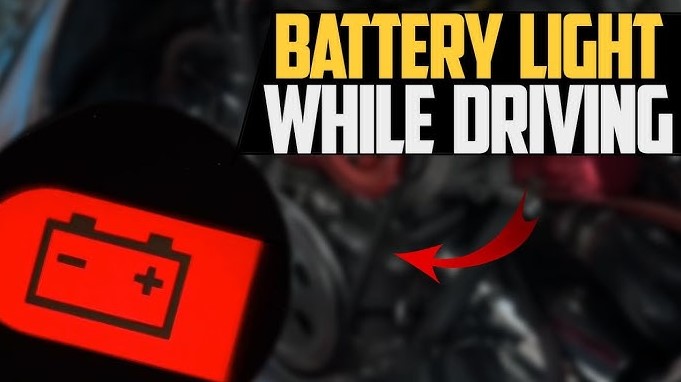
If a little red icon shaped like a battery pops up on your dash, do not ignore it. That is your charging system warning light. It doesn’t mean your battery is dead; it means your battery is not being charged. If you see this light, you likely have about 15 to 30 minutes of driving time left before the battery is completely drained of its stored energy.
Listen to your car
Do you hear a whining or growling sound coming from the engine bay? That could be a bearing inside the alternator that is about to seize up. Also, watch your headlights. If they look bright when you rev the engine but dim when you come to a stop at a light, your alternator is struggling to maintain a steady output at lower RPMs.
Practical Tips for Roadside Emergencies
If the unthinkable happens and your car dies in traffic, remain calm. Your primary goal is to get your vehicle to a safe location away from moving traffic. Here is how to handle the situation like a pro.
Getting to safety
Even if the engine dies, you will still have a little bit of power in the steering rack and brakes. Coast to the shoulder as quickly as you can. Use your momentum to get as far away from the traffic lane as possible. Once you are stopped, put your hazard lights on immediately to ensure other drivers can see you.
Troubleshooting on the fly
Once you are safe, pop the hood. Check for anything obvious, like a belt that is clearly snapped or hanging loose. If you see a thick, white, fuzzy substance on your battery terminals, that is corrosion. If you have a damp cloth, try wiping it away carefully. Sometimes, just wiggling a loose battery cable can re-establish the connection just long enough to reach a service station.
Maintaining Your Electrical System in 2026
The best way to handle a “dead battery” situation is to make sure it never happens in the first place. With all the electronic gadgets, touchscreens, and advanced sensors in 2026 cars, the electrical system is under more pressure than ever before.
Routine check-ups
When you get your oil changed, ask the technician to perform a load test on both your battery and your alternator. A load test measures how these parts handle demand. It is a quick test that can tell you if your alternator is outputting the correct voltage usually between 13.5 and 14.5 volts while the engine is running.
Keep the terminals clean
Once a year, take a wire brush to your battery terminals to ensure a clean metal-on-metal connection. A little bit of baking soda and water mixed together is a classic home remedy that cleans corrosion off terminals safely. Keeping these points clean prevents the electrical resistance that makes your alternator work harder than it should.
When to Call a Professional?
While DIY car care is rewarding, the charging system is something that requires specific tools, such as a multimeter. If you aren’t comfortable working with electricity, it is always safer to call a pro. Attempting to fix an alternator or replacing a belt on the side of a busy highway can be dangerous.
If your car dies while driving, the most responsible thing to do is call for a tow. A professional technician can hook up a diagnostic scanner to your car’s computer to see exactly why the power failed. This saves you from guessing and potentially replacing a perfectly good battery when the real problem was just a $20 belt or a loose wire.
In conclusion, the question “can a car battery die while driving” is actually a gateway to understanding your car’s complex electrical health. While a battery is the starting point, the alternator is the lifeblood that keeps the journey going.
By listening to your car’s noises, watching for warning lights, and keeping up with basic maintenance, you can avoid that sinking feeling of losing power on the road. Drive safe, keep your eyes on the dashboard, and don’t be afraid to pull over if something feels wrong!
Frequently Asked Questions
Can a bad battery cause my car to shut off while driving?
Generally, no. Once the engine is started, the alternator provides the power, so a bad battery won’t usually cause a stall unless the alternator has already failed.
What should I do if my battery light turns on while I am driving?
You should immediately turn off non-essential electronics like the A/C or radio to save power. Drive directly to a repair shop or a safe area, as you likely only have a few minutes of battery power left.
How long can I drive with a broken alternator?
You can only drive as long as there is power remaining in the battery, which is usually less than 30 minutes. Once the battery reaches a low voltage threshold, the car will lose spark and fuel injection, causing it to die.
Is it dangerous to drive with a flickering dashboard?
Yes, a flickering dashboard is a clear sign of an unstable voltage supply. It suggests your alternator is struggling, which could lead to your car shutting down unexpectedly in traffic.
How do I know if it is my battery or my alternator?
If the car dies while driving, it is almost certainly the alternator. If the car simply fails to start in your driveway, it is more likely the battery or the starter motor.
Can a loose battery terminal cause my car to die?
Absolutely. If the connection between the battery and the rest of the car is interrupted, the electrical circuit breaks, which can cause the engine to cut out instantly even if the alternator is working fine.