
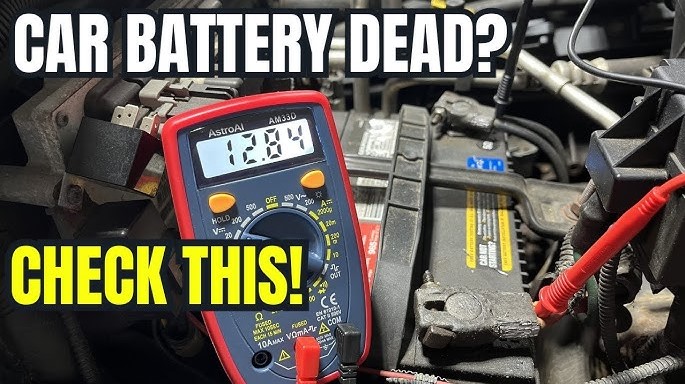
If you find yourself stuck with a dead car battery, don’t panic; help is usually just a jump-start away. This guide covers the essential steps to safely restore power, how to identify if your battery needs replacement, and expert tips to prevent future breakdowns in your 2026 vehicle.
Picture this: you are heading out for a long-awaited weekend road trip. You hop into the driver’s seat, press the start button, and instead of the satisfying hum of a running engine, you hear that dreaded, rhythmic clicking sound. It is a moment every driver fears, but knowing exactly what to do if car battery dies can turn a stressful situation into a minor hiccup in your day.
In 2026, our vehicles are more technologically advanced than ever before, yet the basic lead-acid or lithium-ion battery remains the heart of the operation. Whether you left your headlights on overnight, your interior lights were drawing power, or your battery has simply reached the end of its natural life, you have options. Let’s break down exactly how you can handle this situation with confidence and get back on the road safely.
Key Takeaways
- Safety First: Always turn off the ignition and engage the parking brake before touching the battery terminals.
- Correct Order Matters: When jump-starting, follow the specific sequence for connecting cables to avoid sparks or short circuits.
- Modern Complexity: 2026 vehicles often have sensitive electronics; check your owner’s manual before using a jump pack or booster cables.
- Signs of Failure: Dim lights, slow engine cranking, or a persistent dashboard warning light are clear indicators that your battery is nearing the end of its life.
- Prevention is Key: Regular inspections and keeping your battery terminals clean can significantly extend the lifespan of your unit.
- Professional Help: If you aren’t comfortable performing a jump-start, modern roadside assistance apps make it easy to request professional help instantly.
Understanding Why Your Battery Died
Before you rush to jump-start the engine, it helps to understand why the power dropped off. Sometimes the cause is accidental, and other times it is a symptom of a deeper issue. Knowing the root cause helps you decide whether you can just jump-start and go, or if you need to head straight to a mechanic.
Common Human Errors
The most frequent reason for a dead battery is simple human error. Did you leave a dome light on? Maybe a door wasn’t shut tight enough to turn off the cabin sensors. In modern 2026 cars, even an infotainment screen or a high-end dashcam drawing power while the engine is off can drain the battery faster than you might expect. If you know you left something on, a jump-start will likely get you through the rest of the day.
Signs of an Aging Battery
If you haven’t left any electronics running, the battery might just be old. Batteries typically last three to five years. If yours is aging, you might have noticed slow starts over the last few weeks. When a battery is chemically exhausted, it simply cannot hold a charge anymore. In this case, jump-starting is just a temporary fix, and you should plan for a replacement as soon as possible.
Step-by-Step: How to Safely Jump-Start Your Vehicle
If you determine that your car just needs a little boost, a jump-start is the most common solution. You will need a set of jumper cables and a functioning vehicle with a healthy battery. Always prioritize safety by parking the two cars close enough for the cables to reach but without them touching.
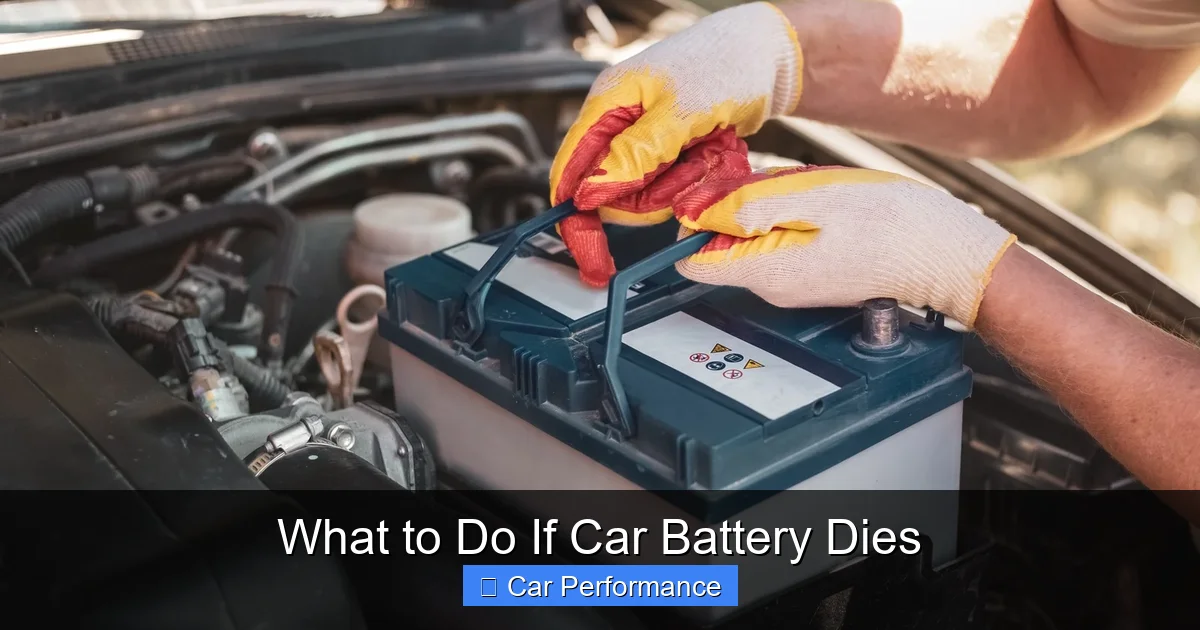
Visual guide about What to Do If Car Battery Dies
Image source: slashgear.com
The Proper Cable Connection Order
The order of operations is vital to prevent electrical shorts. First, attach the red clamp to the positive terminal of the dead battery. Then, attach the other red clamp to the positive terminal of the working battery. Next, connect the black clamp to the negative terminal of the good battery. Finally, connect the last black clamp to an unpainted metal surface on the engine block of the dead car not the negative terminal of the dead battery. This grounding step is crucial for safety.
Starting the Engine
Once everything is connected, start the engine of the car with the good battery and let it run for a few minutes. This transfers a bit of a charge to the dead battery. Now, try starting your car. Once it roars to life, keep it running for at least 20 to 30 minutes. This allows your alternator to recharge the battery sufficiently so it can start again on its own later.
Using Modern Portable Jump Starters
As we navigate 2026, many drivers are moving away from traditional jumper cables in favor of portable lithium-ion jump packs. These devices are small enough to keep in your glove box and are incredibly user-friendly. They eliminate the need for a second vehicle, making them a game-changer for solo travelers.
Why Choose a Portable Pack?
Portable jump starters are designed with safety features that prevent you from connecting them incorrectly. Many newer models have digital displays that tell you the status of the charge and provide warnings if the clamps are reversed. If you are worried about what to do if car battery dies while in a remote area, having one of these in your trunk provides peace of mind that a set of cables simply cannot match.
Proper Maintenance of Your Jump Pack
Just like your car battery, your jump pack needs its own maintenance. Make sure to check the charge level on your jump pack at least once every few months. A dead jump pack won’t help you in an emergency. Treat it like your smartphone; keep it topped up, and it will be there for you when you need it most.
When a Jump-Start Isn’t Enough?
Sometimes, the car still won’t start even after a jump. This can be frustrating, but it is also a signal that you are likely dealing with something beyond a simple dead battery. If you find yourself in this situation, don’t keep cranking the engine, as this can overheat your starter motor.
Checking the Alternator
The alternator is the component responsible for charging the battery while the engine is running. If your alternator is failing, it doesn’t matter how long you jump-start the car; the battery will simply drain again the moment you stop. If your car dies shortly after being jumped, or if you see a battery light stay illuminated on your dashboard, it is a strong indicator of an alternator issue.
Corroded Terminals
Sometimes the connection is the problem, not the power source. If your battery terminals are covered in a white or blue crusty substance, that is corrosion. This blocks the electrical current from flowing efficiently. Use a wire brush and a mixture of baking soda and water to clean the terminals. A clean connection is often all it takes to solve a “dead” battery issue.
Professional Roadside Assistance in 2026
If you don’t have cables, don’t have a jump pack, or just don’t feel comfortable messing with the electrical components of your vehicle, that is perfectly okay. In 2026, help is never more than a few taps away. Whether through your insurance provider, your car manufacturer’s app, or independent roadside services, professional help is the safest route.
Using Technology to Get Help
Most modern vehicles come with built-in telematics systems. Pressing an “SOS” button or using your car’s official app can automatically send your GPS coordinates to a service provider. They can dispatch a technician who has the proper equipment to test your battery health and replace it on the spot if necessary. This takes the guesswork out of the process.
Prevention: How to Make Your Battery Last
The best way to handle a dead battery is to never let it happen in the first place. Battery health is closely tied to how you use your vehicle and how you perform routine maintenance. By following a few simple habits, you can keep your battery running strong for years.
Routine Inspections
Every time you check your oil or top off your windshield wiper fluid, take a quick glance at your battery. Are the connections tight? Is there any sign of swelling? If the battery case looks bulging, that is a sign of internal damage caused by overheating or overcharging. Replace it immediately to prevent a leak or a short.
Avoiding Short Trips
Frequent, very short trips can prevent your battery from ever reaching a full charge. If you only drive a few blocks at a time, your alternator doesn’t have enough time to replace the energy used by the starter. If you mostly take short trips, consider taking your car for a longer drive on the highway once or twice a week to ensure the battery remains healthy.
In summary, knowing what to do if car battery dies is an essential skill for any driver. Whether you reach for your jumper cables, use your portable power pack, or call for professional assistance, staying calm is your best asset.
By keeping an eye on your battery’s age and maintaining clean, secure connections, you can enjoy your drives with the confidence that your car will start every single time you hit the button. Stay safe, stay prepared, and keep your battery in top shape for the road ahead.
Frequently Asked Questions
Is it safe to jump-start a 2026 vehicle?
Yes, it is generally safe, but you must check your owner’s manual first to see if there are specific jump-start points under the hood. Some modern cars have sensitive electronics, so following the manufacturer’s recommended procedure is essential to prevent damage.
How long should I drive after a jump-start?
You should drive the vehicle for at least 30 minutes at highway speeds to allow the alternator to properly recharge the battery. Avoid turning the car off immediately after a jump, as it may not have enough power to restart.
Can a battery die while the car is driving?
A battery typically won’t die while driving if the alternator is working correctly, as the alternator provides all the necessary power. If your car dies while driving, it is almost certainly an issue with the alternator, not the battery itself.
Does cold weather affect my car battery?
Yes, cold weather significantly reduces a battery’s cranking power and its ability to hold a charge. If your battery is already old, extreme cold is often the trigger that causes it to finally fail.
How do I know if my battery is truly dead or just loose?
Inspect the battery terminals for loose connections or heavy corrosion. If the cables can be wiggled by hand, they are likely loose; tightening them with a wrench often resolves the issue instantly.
Should I replace my battery if it dies once?
Not necessarily, especially if you accidentally left the lights on. However, if the battery dies for no apparent reason, it is wise to have it load-tested at an auto parts store to see if it needs a permanent replacement.