
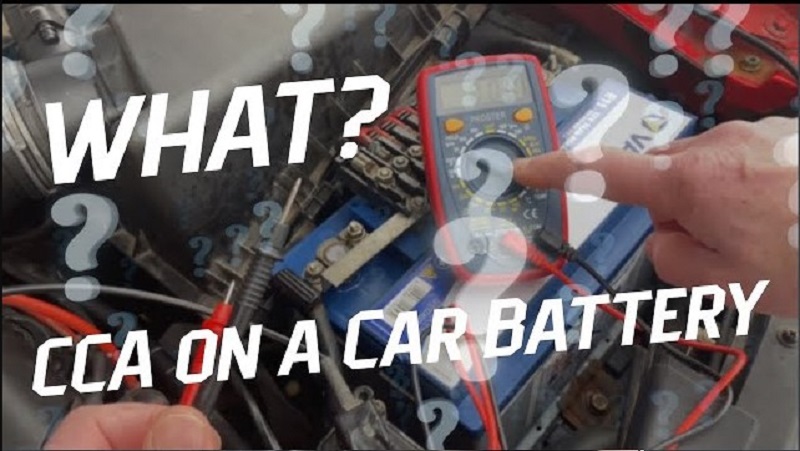
CCA stands for Cold Cranking Amps, a crucial rating that measures a battery’s ability to start an engine in freezing temperatures. Understanding what is cca battery capacity helps you ensure your vehicle starts reliably every morning, regardless of how cold the weather gets outside.
Have you ever turned your ignition key on a freezing winter morning, only to be met with that dreaded, slow clicking sound? We have all been there. It is one of the most frustrating experiences for any driver. When this happens, you are usually dealing with a battery that just cannot handle the cold. This is where the term CCA becomes your best friend. But what exactly is a cca battery rating, and why does it dictate whether your car starts or stays parked in the driveway?
In the automotive world of 2026, vehicle technology is more advanced than ever. However, the basic physics of starting a combustion engine remains the same. Your battery is the heart of the ignition process. If you have been asking yourself what is cca battery power and why it matters, you are looking at the most important performance metric for your vehicle’s electrical system. Let’s break it down in simple terms so you can feel confident under the hood.
Key Takeaways
- Understanding CCA: It measures the current a battery delivers at 0 degrees Fahrenheit for 30 seconds without dropping below a specific voltage.
- Cold Weather Impact: Engines require more power to turn over when the oil is thick and cold, making a high CCA rating essential for winter.
- Vehicle Requirements: Always follow your manufacturer’s minimum CCA recommendation to avoid starter motor damage or power failures.
- Battery Age Matters: As batteries age in 2026, their effective CCA drops, making regular testing vital for long-term vehicle performance.
- Higher Isn’t Always Better: While a higher CCA is safe, excessive capacity costs more and doesn’t provide extra benefits for standard daily driving.
The Science Behind Cold Cranking Amps
At its core, a Cold Cranking Amp rating is a laboratory measurement. It tells us how much current, measured in amps, a lead-acid battery can deliver at 0 degrees Fahrenheit (-18 degrees Celsius). To pass the test, the battery must maintain this output for 30 seconds while keeping the voltage above a specific cutoff point usually 7.2 volts for a 12-volt battery.
Why Cold Weather Changes Everything
When the temperature drops, two things happen inside your engine. First, the engine oil thickens, acting almost like honey. This makes it much harder for your starter motor to spin the engine components. Second, the chemical reaction inside your battery slows down significantly. A battery that works perfectly in the heat of summer might struggle to produce enough “oomph” to overcome that cold, thick oil in winter. That is the exact moment the CCA rating saves the day.
Decoding the Measurement
When you look at a battery label, you might see a number like 600 CCA or 850 CCA. That number is the limit of the battery’s strength in the cold. Think of it like a weightlifter. A battery with 850 CCA is like a professional athlete ready to lift a heavy engine, while a 400 CCA battery is more like an amateur. If your car requires 600 CCA to start, trying to use a battery with only 300 CCA will lead to a failed start every single time the mercury drops.
Does Higher CCA Always Mean Better Performance?
A common mistake many drivers make is thinking that bigger is always better. You might be tempted to buy the battery with the highest number on the shelf, thinking it will give your car “extra” power. In reality, it is a bit more nuanced than that.
Matching Your Car’s Needs
Your vehicle manufacturer designs the electrical system with a specific minimum CCA requirement. This is based on the size of your engine, the type of fuel you use, and the climate where the car was designed to operate. If your car calls for 500 CCA, buying a 900 CCA battery is not necessarily bad, but it is often a waste of money. You are paying for capacity you will never use. However, if you live in an extremely cold climate, going slightly above the manufacturer’s minimum can provide a helpful safety buffer.
The Trade-off of Oversized Batteries
Sometimes, a battery with a massive CCA rating is physically larger than your standard battery. If you buy a battery that is too big, it might not fit in the battery tray under your hood. Always check your owner’s manual or use an online fitment tool for your specific vehicle year and model to ensure the dimensions and terminal positions are correct before you buy.
How Battery Age Affects CCA Performance
Batteries are not permanent fixtures. Over time, the chemical composition of the lead plates inside the battery degrades. This process is called sulfation. As a battery gets older, its ability to hold a charge and its maximum CCA output decline naturally. By 2026, many modern smart chargers and battery testers can tell you the “Health” or “State of Health” of your unit.
Testing Your Battery Regularly
Most auto parts stores offer free battery testing. They use a handheld device that puts a load on the battery to see how much current it can still push. If your battery is three or four years old, the CCA output is likely lower than when it was brand new. If you see your CCA dropping significantly, it is a clear warning sign that you might be stranded soon.
Signs Your CCA is Dropping
You do not always need a fancy machine to know your battery is failing. Pay attention to the “cranking” sound. When you turn the key or hit the start button, the engine should sound energetic and sharp. If it sounds sluggish, slow, or labored, your battery is likely struggling to meet the CCA demands of your starter motor. Don’t wait for a total failure; replace it before it leaves you stuck in a grocery store parking lot.
Choosing the Right Battery for Your Lifestyle
When you are out shopping for a new battery, you will see many terms beyond just CCA. You might see AGM, Flooded, or Lithium. Understanding what is cca battery capacity within these categories helps you make an informed choice for your specific driving habits.
Flooded vs. AGM Batteries
Standard “flooded” lead-acid batteries are the traditional choice and often come with a lower price tag. They are reliable but can be more sensitive to vibration and heat. AGM (Absorbent Glass Mat) batteries are the gold standard for many vehicles in 2026. They are spill-proof, handle vibrations better, and usually offer higher CCA ratings compared to standard batteries of the same size. If you drive a car with a “start-stop” feature, you absolutely need an AGM or specialized battery that can handle the high-cycle load.
The Role of Climate
If you live in Arizona or Florida, where it is hot year-round, you might think CCA doesn’t matter. But even in hot climates, your battery needs to be healthy. Heat actually damages batteries faster than cold does! Always prioritize buying a quality brand with a good warranty. A battery with a high CCA rating is often built with thicker, more robust plates, which tend to be more durable in all types of weather conditions.
Maintenance Tips to Protect Your CCA
Even the best battery will die early if you don’t take care of it. Proper maintenance is the secret to getting the full life out of your investment. In 2026, the technology to keep your battery healthy is more accessible than ever before.
Keep the Terminals Clean
Corrosion is the enemy of electrical flow. That white, crusty stuff you see on the battery terminals acts as an insulator, preventing the current from moving freely. Use a simple wire brush and a mixture of baking soda and water to clean the terminals periodically. A clean connection ensures that every single amp your battery produces actually reaches the starter motor.
The Importance of a Smart Charger
If your car sits for long periods perhaps it is a weekend toy or a classic car the battery will naturally lose its charge. Use a “smart” battery maintainer or trickle charger. These devices monitor the voltage and provide just enough power to keep the battery at 100% without overcharging it. This prevents the internal degradation that kills your CCA rating over time.
Conclusion
Understanding what is cca battery performance is more than just learning a technical acronym; it is about ensuring the reliability of your daily commute. By knowing how Cold Cranking Amps function, you can make smarter decisions about when to test your battery, when to replace it, and what type of unit is actually worth your hard-earned money. Don’t wait for that silent morning to realize your battery has given up. Keep your connections clean, check your battery health once a year, and choose the right rating for your climate.
As we move further into the automotive advancements of 2026, your car remains a machine that relies on a solid electrical foundation. Treat your battery with respect, and it will keep your engine roaring to life every time you turn the key. Stay powered up and keep driving with confidence!
Frequently Asked Questions
What happens if I use a battery with a lower CCA than recommended?
Using a battery with a lower CCA than recommended can lead to hard starting or a complete failure to start, especially in cold weather. It may also place excessive strain on your starter motor, potentially leading to premature failure of the starter itself.
Does a higher CCA battery damage the car’s electrical system?
No, a higher CCA rating will not damage your vehicle’s electrical system. Your car will only draw the amount of current it needs, and the extra capacity simply stays in reserve for when it is required.
How often should I have my battery CCA tested?
It is a good practice to have your battery tested at least once a year, preferably before the winter season begins. If your battery is more than three years old, testing it every six months is a wise precaution.
Does CCA matter if I live in a tropical climate?
While CCA measures “cold” performance, a high CCA battery is often better built and more durable overall. Even in hot climates, a high-quality battery provides better longevity and reliability against the heat-related damage that affects lead-acid batteries.
Can a dying battery affect my car’s fuel economy?
Yes, indirectly. If a battery is failing, the alternator has to work much harder to keep the system running, which places more load on the engine and can slightly decrease fuel efficiency.
What is the difference between CCA and CA?
CCA (Cold Cranking Amps) is measured at 0 degrees Fahrenheit, while CA (Cranking Amps) is measured at 32 degrees Fahrenheit. Always look for the CCA rating, as it is a more stringent and reliable metric for cold-weather starting.