
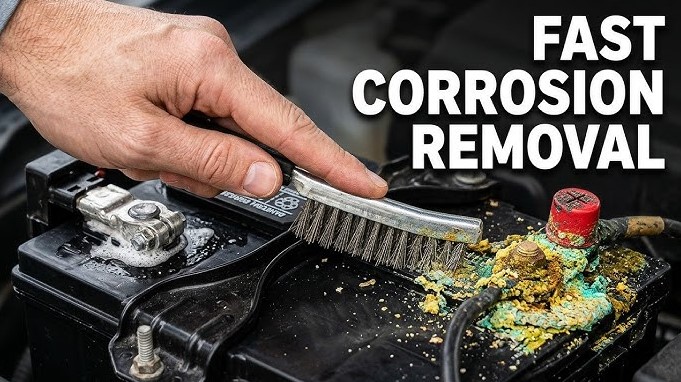
Corrosion on your battery terminals can prevent your car from starting and shorten your battery’s lifespan. By following our simple 2026 guide, you can safely remove corrosion from car battery components using household items like baking soda to restore full electrical connectivity.
Have you ever turned the key in your ignition, only to be met with an ominous silence or a sluggish clicking sound? It is one of the most frustrating experiences for any driver in 2026. Often, the culprit hiding under your hood is not a dead battery, but rather a stubborn layer of blue, white, or green crusty buildup on your terminals. Learning how to remove corrosion from car battery connections is a vital skill that every vehicle owner should have in their maintenance toolkit.
Corrosion occurs naturally as hydrogen gas reacts with the metal terminals of your battery. While it might look like simple dirt, this powdery substance acts as an insulator. It creates high resistance in your electrical system, preventing the necessary current from reaching your starter motor. By taking a few minutes to clean your battery, you can often restore your vehicle’s performance and avoid an expensive tow truck bill.
Key Takeaways
- Safety First: Always wear gloves and eye protection when you remove corrosion from car battery terminals to avoid acid burns.
- Natural Cleaners: A simple mix of baking soda and water effectively neutralizes the acidic corrosion found on battery posts.
- Preventative Care: Applying a thin layer of petroleum jelly or terminal grease after cleaning prevents future buildup.
- Check Connections: Ensure your battery cables are tight after cleaning to prevent future sparking and accelerated corrosion.
- Know the Limits: If a battery is leaking or severely damaged, it is safer to replace it entirely rather than attempting a clean.
Understanding Why Corrosion Happens
The Chemistry Behind the Crust
To effectively remove corrosion from car battery posts, it helps to understand what you are actually dealing with. That powdery residue is usually lead sulfate. It forms when the battery’s internal electrolyte reacts with the metal of the terminals. Sometimes, the issue is caused by the off-gassing of hydrogen, which reacts with the ambient air and the lead or copper connectors. In 2026, even modern vehicle batteries are susceptible to this chemical reaction over time.
Recognizing the Signs
You do not need to wait until your car refuses to start to inspect your battery. If you notice your headlights flickering or your power windows moving slower than usual, it is time to pop the hood. A quick visual inspection will reveal the signs. If you see a buildup that looks like a fluffy white or blue powder, you have identified the primary cause of your electrical woes. Keeping an eye on this buildup is a great way to monitor the general health of your charging system.
Essential Tools for the Job
What You Need Before Starting
Before you dive in to remove corrosion from car battery terminals, gather your supplies. You likely have most of these items in your kitchen or garage already. You will need a stiff-bristled wire brush, baking soda, a cup of water, a pair of heavy-duty rubber gloves, and safety goggles. Protecting your skin and eyes is non-negotiable because the corrosion is acidic and can irritate your skin upon contact.
Choosing the Right Brushes
While you can use a basic toothbrush for light buildup, a dedicated battery terminal brush is worth the small investment. These tools are designed to clean both the inside of the cable clamps and the outside of the battery posts simultaneously. If you are doing this maintenance once or twice a year, this small tool will save you a significant amount of effort and ensure a much cleaner connection.
Step-by-Step Cleaning Process
Disconnecting the Battery Safely
Safety is the most important part of this process. Always disconnect the negative (black) cable first. This prevents accidental shorting if your wrench happens to touch the frame of the car while you are loosening the positive (red) terminal. Once the negative cable is off, move on to the positive side. Ensure the cables are tucked away so they cannot accidentally spring back and make contact with the terminals while you are working.
Neutralizing the Acidic Buildup
Now it is time to remove corrosion from car battery surfaces. Mix two tablespoons of baking soda into a cup of water. Use a spoon or a spray bottle to apply this mixture to the terminals and the cable clamps. You will immediately see a fizzing reaction. This is the baking soda neutralizing the sulfuric acid in the corrosion. Let it sit for about five minutes. This waiting period allows the chemical reaction to loosen the stubborn crust without you needing to scrub away at the delicate lead posts.
Scrubbing and Rinsing
Once the fizzing stops, take your wire brush and begin scrubbing the terminals. Apply moderate pressure to ensure you are reaching the bare metal. You should see the shiny finish of the metal begin to appear. After you have removed the corrosion, use a damp cloth to wipe everything away. Finally, rinse the area with a small amount of clean water. Be careful not to let the runoff water fall into the battery vents or pool heavily on top of the battery case.
Preventative Maintenance for 2026
Protecting Your Terminals
Once you have managed to remove corrosion from car battery terminals, you want to make sure it does not come back immediately. The best way to do this is by applying a thin layer of petroleum jelly or a specialized battery terminal protector spray. This creates a barrier against oxygen and moisture, which are the primary drivers of corrosion. By taking this extra thirty-second step, you can often go months or even years without seeing that crusty buildup return.
Tightening Connections
A loose battery connection is one of the leading causes of accelerated corrosion. Vibrations while driving can loosen the cable clamps over time. After you have reattached your cables positive first, then negative give them a firm tug. If they wiggle at all, tighten the nuts further. A solid, secure connection ensures that electricity flows freely, which in turn reduces the likelihood of future arcing and chemical deposits.
Troubleshooting Common Battery Issues
When Cleaning Isn’t Enough
Sometimes, even after you remove corrosion from car battery components, the car still won’t start. If the terminals are clean and the cables are tight, the problem might be internal. If the battery case is swollen, cracked, or leaking fluid, do not attempt to repair it. These are signs of a failing battery that needs to be recycled and replaced immediately for safety reasons.
Testing Your Charging System
If you find that you have to clean your terminals very frequently, it might indicate that your car’s alternator is overcharging the battery. This creates excess heat and gas, which leads to much faster corrosion. If you notice a “rotten egg” smell or the battery feels excessively hot to the touch, have your charging system tested by a professional mechanic. Keeping your vehicle in top shape in 2026 means looking at the bigger picture, not just the surface corrosion.
Conclusion
Learning how to remove corrosion from car battery terminals is a simple yet powerful way to maintain your vehicle’s performance. It saves you time, prevents the frustration of a car that won’t start, and keeps your electrical system running efficiently.
By following these steps neutralizing the acid, scrubbing gently, and protecting the terminals—you ensure your car remains reliable for the long haul. Remember, a little bit of maintenance goes a long way in keeping you on the road and out of the shop.
Frequently Asked Questions
How often should I clean my car battery?
It is a good habit to inspect your battery terminals every time you check your oil, or at least every six months. If you live in an area with high humidity or extreme heat, you might need to check them more frequently.
Can I use vinegar instead of baking soda?
It is generally better to use baking soda because it is alkaline and effectively neutralizes the acidic corrosion. Vinegar is also acidic and may not provide the same neutralizing benefits for lead-acid battery deposits.
Is the white powder on my battery dangerous?
The powder is lead sulfate, which is acidic and can cause skin irritation or chemical burns. Always wear gloves and eye protection to ensure you are safe while you work.
Does a clean battery last longer?
Yes, keeping the terminals clean prevents energy loss due to resistance and helps ensure the alternator can properly charge the battery. This helps extend the overall lifespan of your battery unit.
What if the battery is too corroded to remove the cables?
If the corrosion is so severe that the clamps are stuck, do not force them with extreme pressure, as you might break the terminal post. Use a rust-penetrating spray to help loosen the connection gently.
Should I disconnect the battery before cleaning?
Absolutely, you must disconnect the cables before cleaning to prevent electrical shorts. Always remove the negative (black) cable first to ensure your safety throughout the process.