
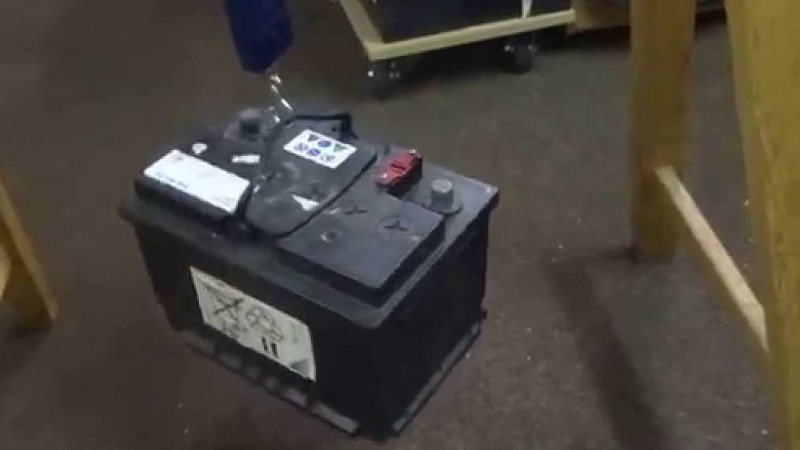
Car batteries typically weigh between 25-70 pounds (11-32 kg), depending on type, size, and chemistry. Lead-acid batteries are the heaviest (~40 lbs), while lithium-ion or AGM variants range from 25-50 lbs. Knowing the weight helps with installation, fuel efficiency, and towing capacity.
This is a comprehensive guide about how much do a car battery weigh.
Key Takeaways
- Weight varies by type: Standard flooded lead-acid batteries are heaviest (40-70 lbs), while AGM/lithium models are lighter (25-50 lbs).
- Size matters: Group sizes (e.g., 35, 51) correlate with weight; larger groups = heavier batteries.
- Towing impact: Extra battery weight can reduce towing capacity by ~50 lbs per battery.
- Installation safety: Secure batteries to avoid shifting during sudden stops or off-road driving.
- Recycling tip: Old batteries are heavy but recyclable – check local facilities.
- Fuel economy: Heavier batteries slightly increase rolling resistance, reducing MPG.
- DIY check: Weigh your old battery to estimate new one’s weight if replacing.
How Much Do a Car Battery Weigh?
Ever wondered why lifting a car battery feels like carrying a brick? The answer lies in its dense materials mostly lead plates and sulfuric acid gel. In 2026, battery technology has evolved, but weight remains a critical factor for installation, performance, and even fuel efficiency. Whether you’re swapping an old battery or installing a brand-new one, knowing its weight prevents mishaps and ensures compatibility.
This guide breaks down:
– Average weights for different battery types
– How size and chemistry affect load
– Practical tips for handling and installation
– FAQs to clear up common doubts
Let’s dive in!
1. What Factors Influence a Car Battery’s Weight?
Chemistry Matters Most
Battery weight hinges on its internal components:
– Lead-acid (flooded/AGM): Dominates the market due to affordability and reliability. A standard flooded battery weighs ~40-60 lbs (18-27 kg).
– Lithium-ion: Emerging as lighter (25-40 lbs) but pricier. Common in electric vehicles (EVs) and high-performance cars.
– Nickel-based: Rare in cars but used in hybrid systems; mid-range weight (~35 lbs).
Size & Capacity
Manufacturers classify batteries by “group size” (e.g., 34, 51). Larger groups mean more plates and electrolyte, increasing weight:
– Small (Group 24): ~25-35 lbs
– Medium (Group 35): ~40-50 lbs
– Large (Group 51): ~50-70 lbs
Battery Design
– AGM (Absorbent Glass Mat): Slightly lighter than flooded (~5% less) due to gel electrolyte.
– Deep-cycle: Heavier for durability (e.g., marine batteries).
2. How Heavy Is a Typical Car Battery?
Here’s a quick reference table for average weights:
| Battery Type | Weight Range (lbs/kg) | Example Models |
|——————–|———————-|———————–|
| Flooded Lead-Acid | 40-70 lbs (18-32 kg) | Optima YellowTop |
| AGM | 30-50 lbs (14-23 kg) | Interstate AGM |
| Lithium-ion | 25-45 lbs (11-20 kg) | Tesla Powerwall (for cars)|
| Marine Deep-Cycle | 60-90 lbs (27-41 kg) | Deka T-100 |
Pro Tip: Always check the manufacturer’s specs—some compact designs defy expectations!
3. Why Does Battery Weight Matter?
Vehicle Performance
– Fuel Economy: Every extra 50 lbs reduces MPG by ~1-2%. A dual-battery setup (common in RVs) can hit 100+ lbs!
– Towing Capacity: Manufacturers specify max payloads; heavy batteries eat into this margin. For example, a 60-lb battery might reduce towing by 100 lbs.
Installation Safety
– Secure Mounting: Use straps or brackets to prevent movement (critical for off-roaders).
– Jump-Start Risks: A loose battery can shift, causing short circuits.
Environmental Impact
Old batteries are heavy but recyclable. Recycling saves ~90% of materials vs. landfilling.
4. Tips for Handling Heavy Batteries
1. Wear Gloves & Safety Gear: Acid leaks or cuts are risks.
2. Use a Jack or Lift: Never lift alone ask for help or use a battery hoist.
3. Clean Corrosion: Before installation, clean terminals with baking soda/water mix.
4. Check Ground Clearance: Low-clearance vehicles need careful removal.
5. Label Positions: Note orientation (positive/negative) to reinstall correctly.
5. How to Estimate Your New Battery’s Weight
If replacing without measuring:
1. Weigh the Old One: Use a bathroom scale (place it under the battery tray).
2. Compare Group Sizes: If same group, weight should be similar.
3. Consult Manuals: Vehicle manuals often list expected battery weight.
Conclusion
Knowing a car battery’s weight isn’t just trivia – it’s essential for safety, efficiency, and longevity. From the hefty flooded types to sleek lithium options, each has trade-offs. Always prioritize proper installation, especially when towing or hauling. And remember: recycling old batteries keeps them out of landfills while conserving resources.
Got questions? Scroll below for FAQs!
How much does a 12V car battery weigh?
A standard 12V car battery usually falls between 25-70 lbs. Smaller (Group 24) may weigh 25-35 lbs, while large (Group 51) batteries exceed 60 lbs.
Can I replace a battery without knowing its exact weight?
Yes, but measure the old one first. Most replacements match the original weight if using the same group size. Double-check clearance and mounting points!
Does battery weight affect my warranty?
Most warranties don’t cover damage from incorrect weight, but improper installation (due to guessing) could void coverage. Always follow manufacturer guidelines.
Are lithium car batteries lighter?
Absolutely! Lithium batteries (e.g., for EVs) often weigh 25-45 lbs, 20-30% lighter than lead-acid counterparts.
What’s the heaviest car battery?
The largest marine/deep-cycle batteries can hit 90 lbs, while standard automotive batteries rarely exceed 70 lbs.
How do I transport multiple batteries safely?
Use a sturdy cart or pallet with straps. Distribute weight evenly and avoid tilting to prevent acid leaks.