
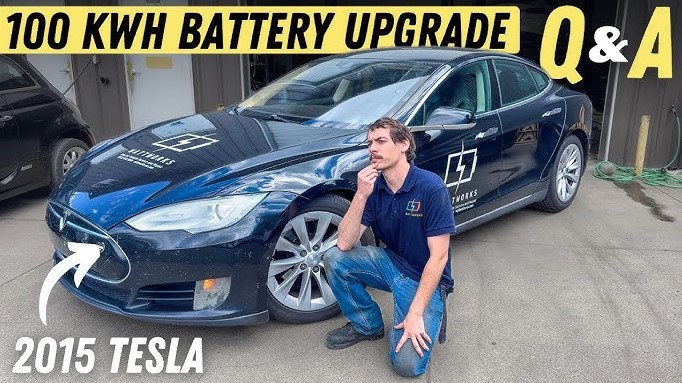
Replacing a Tesla battery can cost anywhere from $5,000 to over $15,000 depending on the model, warranty status, and labor fees. Factors like battery degradation, part availability, and regional labor rates play a big role. Tesla’s warranty covers most replacements for free up to certain mileage limits, but out-of-warranty repairs require careful budgeting.
This is a comprehensive guide about how much does it cost to replace a tesla battery.
Key Takeaways
- Warranty coverage: Most Teslas include an 8-year/120,000-mile battery warranty, often covering full replacement costs.
- Cost varies by model: Higher-end models (like Model S/X) cost more due to larger battery packs.
- Degradation matters: Severe degradation may necessitate a full swap, while minor issues might only need recalibration.
- Third-party options: Aftermarket solutions exist but aren’t always recommended for safety or performance reasons.
- DIY vs. professional: DIY is risky; always rely on certified technicians.
- Regional differences: Labor rates vary by location (e.g., urban areas charge more).
- Preventive care: Regular software updates and proper charging extend battery life, delaying costly replacements.
Introduction: Why Tesla Battery Replacements Cost So Much
If your Tesla’s range has noticeably dropped or you’re seeing warnings about battery health, it’s time to consider a replacement.
But how much does it actually cost? In 2026, Tesla battery replacement prices have evolved with advancements in technology and warranty policies. This guide breaks down every factor from warranty terms to aftermarket alternatives – so you know what to expect when facing a battery replacement.
Think of your Tesla’s battery as its heart: without a healthy one, performance, efficiency, and resale value take a hit. Whether you’re a new owner or a long-term Tesla user, understanding replacement costs helps plan finances and avoid surprises. Let’s dive into the details.
Warranty Coverage: When Is Replacement Free?
What Does Tesla’s Battery Warranty Include?
Tesla offers an 8-year/120,000-mile limited warranty for all battery packs, meaning if capacity drops below 70% within that window, Tesla covers the full replacement cost. For example:
- Model Y Standard Range: ~75 kWh pack covered under warranty.
- Model S Plaid: ~100+ kWh pack also protected.
Exceptions and Limitations
Some scenarios void coverage:
- Accidents or physical damage: If the battery was crushed or exposed to extreme heat, warranty claims are denied.
- Improper charging: Frequent fast-charging or using non-Tesla chargers may accelerate wear.
- Software issues: Some degradation fixes (like recalibration) are free even outside warranty.
Pro tip: Check your warranty status via Tesla’s app or contacting customer service before assuming a repair will be free.
Out-of-Warranty Costs: What to Expect
Pricing Breakdown by Model
Below are estimated 2026 replacement costs for popular models (prices exclude labor):
| Model | Battery Capacity | Estimated Part Cost |
|---|---|---|
| Model 3 Long Range | 82 kWh | $6,000–$9,000 |
| Model X Plaid | 100 kWh | $9,000–$12,000 |
| Cybertruck | 123 kWh | $10,000–$14,000 |
Labor and Installation Fees
Labor typically adds $1,500–$4,000, depending on:
- Location: Urban areas with high demand charge more.
- Technician expertise: Tesla-certified shops prioritize safety but cost extra.
“In Austin, TX, I paid $3,200 for labor, whereas a shop in Phoenix quoted $2,100.” – User forum comment.
Factors That Impact Replacement Costs
Battery Degradation Levels
Not all replacements require a full swap. Tesla diagnostics categorize battery health:
- 70–80% capacity: May only need recalibration ($0–$500).
- 50–70% capacity: Partial cell replacement possible ($2,000–$5,000).
- <50% capacity: Full replacement required (see above estimates).
Aftermarket vs. OEM Parts
While third-party batteries claim to cut costs ($4,000–$7,000), they often lack:
- Warranty transferability: Tesla won’t honor aftermarket parts.
- Performance consistency: Range and longevity may suffer.
Avoid risky shortcuts: Tesla’s proprietary systems make DIY or generic replacements unsafe.
Tips to Save Money on a Tesla Battery Replacement
Leverage Warranty Carefully
- Track mileage: Use the car’s odometer to stay under 120k miles.
- Monitor health: Check “Battery Health” in settings early to catch issues.
Shop Around for Labor
Compare quotes from:
- Authorized Tesla Centers: Most reliable but priciest.
- Independent Specialists: Look for Tesla-certified shops (e.g., Electrify America partners).
Preventative Maintenance
Extend battery life with these habits:
- Use scheduled charging: Avoid frequent 100% charges (aim for 80–90%).
- Store wisely: Keep parked cars at 50% charge in hot climates.
Alternatives to Replacement: Can You Recycle or Upgrade?
Recycling Options
Tesla partners with recyclers to recover materials like lithium and cobalt:
- Certified programs: Tesla’s “Battery Recycling Program” ensures eco-friendly disposal.
- Cashback incentives: Some states offer rebates for recycling old batteries.
Future-Proofing Upgrades
In 2026, some dealers offer:
- Software updates: Optimize existing battery performance.
- Extended warranties: Purchase additional coverage post-warranty.
Conclusion: Plan Ahead to Avoid Surprises
Understanding Tesla battery replacement costs in 2026 empowers owners to budget wisely. While warranty coverage protects many buyers, out-of-warranty repairs can run thousands. Prioritize preventive maintenance, compare repair shops, and avoid unproven aftermarket fixes your Tesla’s reliability depends on it. If you’re nearing your warranty deadline, schedule an inspection now!
Frequently Asked Questions
How long does a Tesla battery last?
Under ideal conditions, a Tesla battery lasts 8–15 years or 200,000+ miles. With proper care, degradation stays below 20% after 10 years.
Does Tesla replace batteries for free?
Yes, if within warranty (8 years/120k miles and capacity >70%). Out-of-warranty repairs incur full costs unless you purchased extended coverage.
Can I replace my Tesla battery myself?
No. Tesla batteries are sealed and integrated; attempting DIY replacement voids warranties and risks safety hazards. Always use certified technicians.
What’s the cheapest way to fix a Tesla battery?
For minor issues, software recalibration (free) is often enough. Severe degradation requires a full replacement, but warranty coverage minimizes costs.
Are there tax credits for battery replacements?
In 2026, the U.S. Inflation Reduction Act still offers up to $7,500 for electric vehicle components, including eligible battery repairs. Check local incentives too.
How soon should I replace my Tesla battery?
If range drops below 70% of original capacity or you receive warning alerts, consult Tesla ASAP. Early replacement prevents further electrical system strain.