
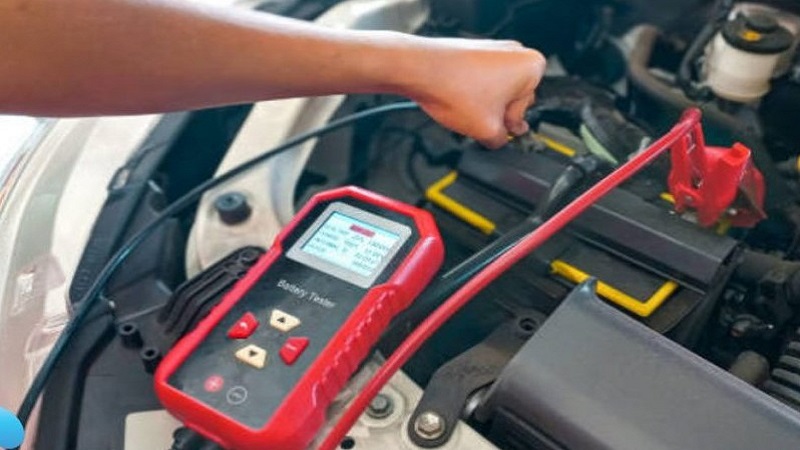
If you see “SUL” on your battery charger, it stands for “Sulfation” or “Desulfation mode.” This smart feature is designed to pulse high-frequency charges into your battery to break down lead sulfate crystals, effectively extending your battery’s lifespan and restoring its ability to hold a charge.
If you are a car enthusiast or just someone who likes to keep their vehicle in top shape, you have likely stared at a battery charger and wondered about the mysterious icons on the screen. Among the most common yet confusing is the “SUL” indicator.
You might be staring at your charger in 2026, thinking, what does SUL mean on a battery charger? You are definitely not alone. It is one of those features that sounds highly technical, but once you break it down, it is actually quite simple and incredibly useful for your car’s performance.
When you plug your battery into a charger, you want peace of mind. You want to know that your car will start on that cold Tuesday morning or that your boat will be ready for the weekend. SUL stands for Sulfation, or more specifically, the Desulfation mode.
It is the secret weapon that modern smart chargers use to keep your battery from becoming a heavy, useless brick. Let’s dive into why this matters for your driving experience and how you can use it to keep your car running smooth.
Key Takeaways
- Understanding SUL: The term SUL refers to the desulfation process, which targets harmful crystal buildup inside your lead-acid battery.
- Why it matters: Over time, batteries develop lead sulfate crystals that prevent proper charging; SUL mode helps dissolve these deposits.
- When to use it: Only engage the SUL mode when your battery is showing signs of low capacity or if it has been sitting idle for an extended period.
- Safety first: Always disconnect the battery from your vehicle before running a heavy-duty desulfation cycle to protect sensitive onboard electronics.
- Realistic expectations: While SUL is a powerful tool, it cannot fix a battery that has suffered from physical damage or complete internal short circuits.
- Maintenance tips: Regular use of a smart charger with SUL capability can prevent premature battery failure and save you money on replacements.
What Exactly is Sulfation?
To understand what does SUL mean on a battery charger, we first need to look at what is happening inside your battery. Lead-acid batteries work through a chemical reaction between lead plates and sulfuric acid. During this process, lead sulfate is formed. Under normal operating conditions, these crystals are soft and easily dissolve back into the electrolyte when you drive your car and the alternator recharges the battery.
However, problems arise when a battery is not fully charged or sits idle for too long. In these cases, those tiny lead sulfate crystals start to harden. Think of it like plaque building up on teeth. Once these crystals harden, they turn into a sort of barrier on the plates. They block the chemical reaction that allows the battery to store electricity. This is what we call “sulfation.”
The Impact of Hardened Crystals
When sulfation occurs, your battery loses its capacity. It might show a full voltage reading on a multimeter, but as soon as you try to start your engine, the voltage drops off a cliff. The battery simply cannot deliver the “cold cranking amps” (CCA) required to turn over the starter motor. This is why many people think their battery is dead, when in reality, it is just “sulfated.”
This is where your charger’s SUL mode steps in. It acts like a power washer for the internal plates of your battery. By sending small, controlled pulses of higher voltage, the charger encourages those stubborn, hardened crystals to break back down into the electrolyte. It is a slow and gentle process, but it is often the difference between buying a new battery and getting a few more years of life out of your current one.
Recognizing When to Use SUL Mode
You might be tempted to run the SUL mode every time you plug your car in, but that is not always necessary. Modern chargers are “smart,” meaning they often have a pulse-detection system. They will trigger the SUL mode automatically if they sense that the battery is struggling to accept a standard charge. However, there are specific scenarios where you should definitely look for that SUL indicator.
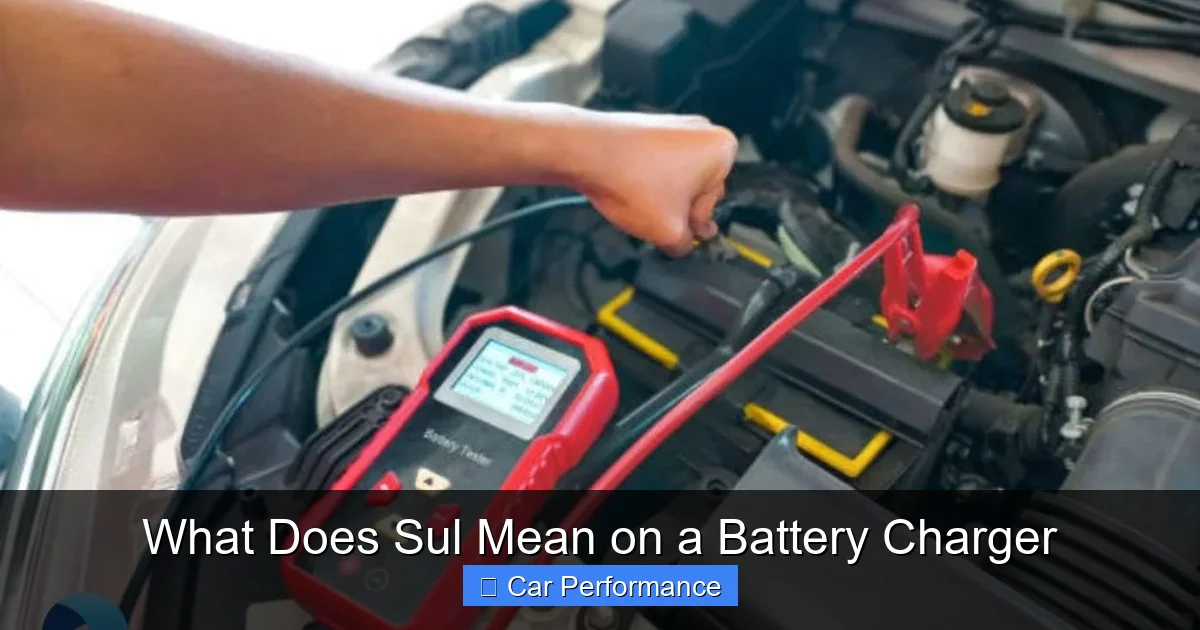
Visual guide about What Does Sul Mean on a Battery Charger
Image source: carfromjapan.com
Long Periods of Inactivity
If you have a classic car that stays in the garage for the winter or a motorcycle that you only ride during the summer, sulfation is your biggest enemy. Batteries naturally self-discharge over time.
If you leave a battery sitting for two or three months without a trickle charger, it is almost guaranteed that some level of sulfation has begun to take hold. In these cases, using a charger with a dedicated desulfation or SUL cycle is a great way to “wake up” the battery before you take it out for the first drive of the season.
Slow Engine Cranking
Have you noticed that your car takes a half-second longer to start than it used to? Or perhaps the interior lights dim slightly when you turn the key? These are classic symptoms of a battery that is starting to lose its efficiency.
Before you rush to the store to spend hundreds on a new unit, hook up your smart charger. If it enters SUL mode, let it run. Many car owners report that after a full desulfation cycle, their car starts with the same snap and vigor it had when the battery was brand new.
How to Safely Run the SUL Cycle?
Safety is the priority when dealing with car electronics in 2026. While modern battery chargers are designed to be safe, you still want to follow best practices. When asking what does SUL mean on a battery charger, remember that the mode involves higher voltage pulses. This is why you should always try to disconnect the battery from the car’s electrical system if possible.
Disconnecting the Battery
Modern vehicles are filled with sensitive computers, sensors, and infotainment systems. While most chargers have protection circuits, a high-voltage desulfation pulse is not something you want traveling through your car’s delicate ECU (Engine Control Unit).
Simply loosening the negative terminal clamp is usually enough to isolate the battery from the car. Once the battery is isolated, you can attach your charger clips, select the SUL or Repair mode, and let it do its work.
Patience is a Virtue
Desulfation is not a sprint; it is a marathon. Unlike a standard charge, which might take a few hours, a full SUL cycle can take anywhere from 8 to 24 hours depending on the condition of your battery. Do not rush the process. If you stop the charger prematurely, you might only break down a fraction of the crystal buildup. Give the charger the time it needs to complete its analysis and restoration cycles.
Debunking Myths About Battery Restoration
There is a lot of talk online about “reviving” dead batteries. It is important to be realistic about what SUL mode can and cannot do. If your battery is physically damaged—perhaps the plates are shorted out, the casing is cracked, or the battery has been sitting for years to the point where it is bone dry no amount of SUL pulsing will fix it. Desulfation is for maintenance and light-to-moderate recovery.
When It Is Time to Replace
If you run a full SUL cycle and your battery still fails a load test or struggles to hold a charge for more than a day, it is time to say goodbye. Batteries have a finite life. The lead and acid inside eventually reach a point where they can no longer store energy efficiently.
Using the SUL mode is a fantastic way to stretch your battery’s life, but it is not a fountain of youth. Knowing when to accept that a battery is at the end of its life cycle will save you from being stranded in an emergency.
The Role of Temperature
In 2026, many smart chargers have temperature sensors. Sulfation recovery is much more effective in moderate temperatures. If your battery is frozen solid or sitting in extreme heat, the chemical reactions inside will be erratic.
Always try to charge your battery in a climate-controlled area, like a garage, if possible. This ensures that the SUL pulses are interpreted correctly by the battery and leads to a much higher success rate in restoring capacity.
Tips for Maintaining Your Battery Health
Prevention is always better than the cure. While knowing what does SUL mean on a battery charger is helpful, the ultimate goal is to keep your battery so healthy that you rarely need to use the desulfation mode. Here are a few professional tips for long-term battery care.
Consistent Trickle Charging
If your car is going to sit for more than a week, invest in a quality trickle charger or a battery maintainer. These devices keep the battery at a constant, healthy voltage, which prevents the lead sulfate crystals from ever getting the chance to harden in the first place. Think of a trickle charger as a “keep-fit” program for your battery, while the SUL mode is more like a “rehab” program.
Checking Terminals
Sometimes, what appears to be a battery issue is actually just a poor connection. Before you blame the internal chemistry, check your battery terminals. If you see white or blue fuzzy corrosion, clean it off with a wire brush and a mixture of baking soda and water. A clean connection ensures that your charger can actually send those SUL pulses into the battery without resistance.
Conclusion: The Value of Smart Charging
So, what does SUL mean on a battery charger? It means your charger is working hard to keep your vehicle powered and reliable. By using the desulfation feature, you are actively participating in the maintenance of your car’s electrical system, which is one of the most critical parts of modern vehicle performance. It is a simple, effective, and smart way to get the most out of every dollar you spend on your car.
Whether you are preparing a weekend cruiser for the road or just trying to get through the winter, understanding your battery charger’s settings puts you in the driver’s seat. Use the SUL mode wisely, keep your connections clean, and never underestimate the power of a well-maintained battery. Your car and your wallet will thank you for it in the long run.
Frequently Asked Questions
Is it safe to leave a battery on SUL mode overnight?
Yes, most modern smart chargers are designed to be left unattended while in SUL or desulfation mode. However, it is always a good practice to check the charger manual to ensure it has an automatic shut-off feature once the cycle is complete.
Will SUL mode fix a completely dead battery?
SUL mode can restore a battery that is suffering from sulfation, but it cannot fix a battery that has internal short circuits or physical damage. If the battery is totally dead and won’t even register on the charger, it may be time for a replacement.
How often should I use the SUL setting?
You generally do not need to use the SUL setting unless the charger detects a problem or the battery has been sitting idle for a long period. Using it once every few months as a preventative measure is fine, but it is not required for daily-driven vehicles.
Do all battery chargers have an SUL feature?
No, the SUL or desulfation feature is typically found on “smart” or “microprocessor-controlled” chargers. Older, manual “dumb” chargers do not have the circuitry to pulse the battery in the specific way required for desulfation.
Can SUL mode damage my car’s computer?
The high-frequency pulses used in SUL mode can potentially interfere with sensitive vehicle electronics. Always disconnect the battery from the car’s electrical system before starting an SUL cycle to ensure your car’s computer remains safe.
How do I know if the SUL process worked?
You will know the process was successful if the battery holds a charge longer than it did before and your car starts reliably. If the battery still loses its charge quickly after a full cycle, the internal degradation is likely too far gone for recovery.