
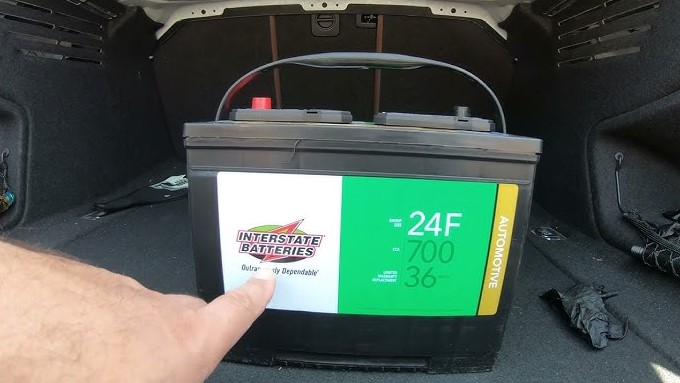
Interstate Batteries does not own its own manufacturing plants; instead, they partner with top-tier global battery producers like Clarios to manufacture their products. By utilizing these specialized facilities, Interstate ensures their batteries meet high standards for performance and reliability across the automotive industry.
When you walk into an auto parts store or a local garage, you are almost guaranteed to see that iconic green and white logo. Interstate Batteries has been a staple in the automotive world for decades. Many drivers trust the name without ever stopping to ask, “Who makes Interstate Batteries?” It is one of those household names that we take for granted, assuming they have massive factories humming with activity somewhere under their own name.
The reality of how these batteries are created is actually quite fascinating. In the world of automotive parts, the company behind the label is often very different from the company that actually pours the lead and molds the casing. Understanding this distinction helps you become a smarter consumer. Whether you are prepping your engine for a long drive or just looking for the best performance for your daily commute, knowing the source of your power supply matters.
Key Takeaways
- Strategic Partnerships: Interstate Batteries acts as a brand marketer and distributor rather than a factory owner, sourcing products from leading manufacturers like Clarios.
- Quality Control: By partnering with industry giants, Interstate ensures their batteries meet strict proprietary specifications for cold-cranking amps and durability.
- Wide Availability: The company relies on a vast network of independent distributors to get batteries into local shops and retailers.
- Diverse Applications: Beyond standard car batteries, they supply power solutions for marine, power sports, and commercial equipment.
- Battery Technology: In 2026, the brand focuses on AGM and flooded lead-acid technologies to suit the varying needs of modern vehicles.
- Customer Support: The brand is known for its “Outrageously Dependable” service model, which prioritizes ease of warranty claims and accessibility.
The Business Model of Interstate Batteries
Unlike some manufacturers that own every step of the supply chain, Interstate Batteries functions primarily as a brand powerhouse and a distribution giant. They have perfected a business model that focuses on quality control, marketing, and a massive delivery network rather than the physical act of running a factory. This allows them to stay agile and responsive to the changing needs of the 2026 automotive market.
The Role of Manufacturing Partners
The primary producer behind Interstate Batteries is Clarios. Clarios is the world’s largest manufacturer of automotive batteries. Because they produce batteries for dozens of different brands, they have the scale and the engineering expertise to meet the high standards Interstate requires. When you buy an Interstate battery, you are getting a product designed to specific performance metrics that are unique to the Interstate brand.
This partnership is common in the industry. Many brands you see on the shelves use the same manufacturing facilities. However, what sets Interstate apart is their strict quality assurance process. They don’t just put a sticker on a generic battery; they dictate the internal chemistry, the grid design, and the testing requirements to ensure the product holds up to their “Outrageously Dependable” reputation.
Why Distribution Matters More Than Manufacturing
You might wonder why a company would choose not to own its factories. For Interstate, the answer lies in distribution. Their strength is their ability to get a fresh battery to your mechanic or store within hours. By focusing their resources on logistics and maintaining a relationship with thousands of independent distributors, they ensure that batteries are never sitting on a shelf for too long. A battery that has been sitting in a warehouse for two years loses performance; Interstate’s distribution model keeps the stock rotating constantly.
The Evolution of Battery Technology in 2026
As we move through 2026, the demands on vehicle batteries have grown significantly. Cars are no longer just engines and headlights; they are rolling computers packed with sensors, screens, and complex electronics. Interstate has had to adapt its manufacturing specifications to keep up with these modern power requirements.
Visual guide about Who Makes Interstate Batteries
Image source: academy.scene7.com
Understanding AGM vs. Flooded Batteries
Modern vehicles often require Absorbed Glass Mat (AGM) technology. These batteries are more resilient to the frequent starts and stops associated with modern fuel-efficient engines. Through their partnership with lead manufacturers, Interstate ensures that their AGM line provides the deep-cycle capability and vibration resistance that today’s SUVs and luxury sedans demand.
For older vehicles or simpler electronic setups, the traditional flooded lead-acid battery remains a reliable choice. Interstate continues to manufacture and distribute these units, ensuring that classic car enthusiasts can keep their vehicles on the road. Whether you are driving a brand-new hybrid or a vintage vehicle, the tech inside your Interstate battery is tailored to the specific load your alternator needs to manage.
Energy Density and Longevity
The push for better battery performance in 2026 centers on energy density. Drivers want smaller batteries that pack more punch. By collaborating with advanced manufacturing partners, Interstate is able to integrate new grid alloys that allow for better electrical conductivity. This means your engine turns over faster, even on the coldest mornings, and the battery lasts longer before showing signs of degradation.
Quality Control and Proprietary Specs
A common question from skeptics is whether an Interstate battery is the same as a cheaper brand made by the same factory. The answer is almost always no. While the factory floor might be the same, the engineering requirements are distinct. Interstate works closely with its suppliers to define the thickness of the plates, the purity of the lead used, and the composition of the electrolyte solution.
Testing for Real-World Conditions
Before a battery hits the market, it goes through rigorous testing cycles. In the automotive industry, this involves simulating extreme temperature fluctuations. A battery needs to perform when it is 100 degrees in the summer and sub-zero in the winter. Interstate’s quality teams monitor these tests to ensure that every battery branded with their name meets their internal standards for cold-cranking amps (CCA).
Refining the Warranty Process
Part of why the brand remains popular in 2026 is their commitment to the customer. When you have a solid product, you can afford to offer a robust warranty. Because they control the supply chain so well, they can honor warranty claims with minimal friction. This confidence in their product comes from knowing exactly how it was built, even if they didn’t build it themselves.
The Environmental Impact of Battery Production
Manufacturing lead-acid batteries is an intensive process, but the industry has become incredibly efficient at recycling. In fact, the automotive battery is one of the most recycled products in the world. Interstate Batteries is a major participant in this cycle, ensuring that as many lead plates and plastic casings as possible are reclaimed and turned into new units.
The Circular Economy
When you return your old battery to a retailer, it doesn’t just disappear. It enters a recovery loop where the lead is smelted, the plastic is ground down, and the acid is neutralized. This circular economy is vital for the sustainability of the brand. By working with large manufacturers like Clarios, Interstate leverages advanced recycling networks that minimize the environmental footprint of every new battery produced.
Future-Proofing the Industry
As the automotive landscape shifts toward electric vehicles, the question of “who makes the battery” becomes even more relevant. While traditional lead-acid batteries will be around for many years to support 12-volt systems in EVs, the industry is also exploring new chemistries. Interstate remains positioned to evolve, keeping their finger on the pulse of new tech so they can provide the best power solutions for 2027 and beyond.
Choosing the Right Battery for Your Vehicle
Now that you know who makes these batteries, how do you choose the right one for your car? It is not just about the name on the label; it is about finding the right spec for your specific make and model. Using a lookup tool is the best way to start.
Check Your Owner’s Manual
Your car’s manual will list the specific group size and power requirements. Never settle for a battery that is “close enough.” The electrical system in a modern car is sensitive, and using the wrong capacity battery can lead to alternator strain or premature failure. Whether you are reading up on technical specs or diving into some Best Dr Who Books to pass the time while your car is in the shop, take a moment to double-check your battery size.
When to Replace
Most batteries last between three to five years. If your vehicle struggles to start or if your electronics seem dim, it might be time for a change. You don’t need to wait until you are stranded to test your battery. Most local shops will offer a free load test, which is a great way to see if your Interstate battery is still in good health or if it is time to upgrade to a fresh unit.
DIY vs. Professional Installation
Installing a battery is a straightforward job for many DIYers. Just remember to wear gloves and eye protection, as battery acid is corrosive. If you are not comfortable working with heavy cables or terminal corrosion, there is no shame in having a professional handle it. Many shops that sell Interstate Batteries will install them for free with your purchase, which is often the best value for your time and peace of mind.
Conclusion
So, who makes Interstate Batteries? They are the result of a highly efficient partnership between a powerhouse brand and top-tier global manufacturers like Clarios. By focusing on logistics, rigorous quality standards, and a deep understanding of the automotive market, Interstate has maintained its reputation as a leader in power solutions. Their model proves that you don’t need to own the factory to define the quality of the product.
As we look at the automotive landscape in 2026, it is clear that the need for reliable, high-performance batteries is only growing. Whether you are driving a daily commuter, a heavy-duty truck, or a classic car, understanding the source of your battery helps you make better decisions for your vehicle’s long-term health.
If you are ever bored while waiting for your battery installation, maybe browse through some Best Doctor Who Books to keep yourself entertained. Remember, keep your connections clean, your charging system healthy, and your battery fresh, and your vehicle will continue to run smoothly for years to come.
Frequently Asked Questions
Do Interstate Batteries own their own factories?
No, Interstate Batteries does not own its own manufacturing facilities. Instead, they partner with major global battery manufacturers, most notably Clarios, to produce batteries to their proprietary specifications.
Are Interstate Batteries the same as other brands?
While some batteries are made in the same factories as other brands, Interstate enforces their own unique quality standards and engineering requirements. This ensures that their specific product line meets their performance goals for cold-cranking amps and overall longevity.
Where are Interstate Batteries manufactured?
Most Interstate Batteries sold in North America are manufactured in the United States and Mexico by their partner facilities. This domestic production helps them maintain a highly efficient and reliable distribution network.
Why is there a green and white logo on so many different batteries?
The green and white branding is part of Interstate’s strong marketing identity and their vast distribution reach. They ensure their brand is available almost everywhere, from professional mechanic shops to large retail stores, making it easy for customers to find a replacement.
How long should an Interstate Battery typically last?
An Interstate battery generally lasts between three to five years, depending on your climate, driving habits, and vehicle maintenance. Regular load tests at your local shop can help you monitor the health of your battery before it reaches the end of its life.
Is the battery recycling program effective?
Yes, the automotive battery industry, including the partners behind Interstate, maintains an incredibly high recycling rate. Almost every component of a lead-acid battery is recovered and processed to create new batteries, making it a very sustainable cycle.