
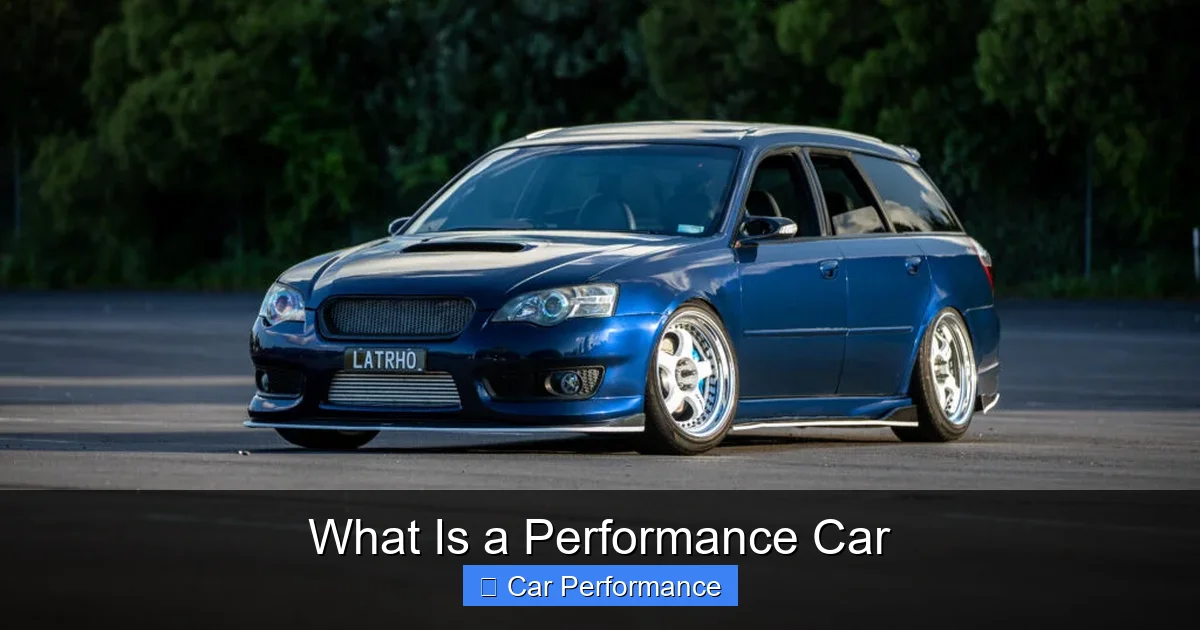
What is a performance car? It’s a vehicle built for speed, agility, and excitement, blending raw power with precise control. In 2026, these cars thrill with electric boosts, advanced tech, and track-ready features that make every drive an adventure.
What Is a Performance Car?
Hey, have you ever felt that rush when a car lunges forward? That’s the magic of a performance car. Picture this: you’re merging onto the highway, and with a tap of the pedal, you’re gone. No hesitation. Pure thrill.
In 2026, what is a performance car has evolved. It’s not just about big engines anymore. Electric powertrains and smart tech make them faster, smarter, and greener. These cars turn heads and quicken pulses. They’re for anyone who craves excitement behind the wheel.
Whether you’re a weekend track warrior or a daily driver with a wild side, understanding performance cars opens up a world of fun. Let’s dive in and break it down, step by step. You’ll know exactly what makes them tick by the end.
Key Takeaways
- Power and Speed: Performance cars boast high horsepower and quick 0-60 times, often under 4 seconds in 2026 models.
- Superior Handling: Advanced suspension and tires ensure grip and cornering like no ordinary car.
- Braking Excellence: Massive brakes stop you fast and safe, even at triple-digit speeds.
- Aerodynamic Design: Sleek shapes cut drag for better acceleration and stability.
- Tech Integration: In 2026, hybrids and EVs dominate with instant torque and smart aids.
- Not Just Speed: Daily drivability mixes thrill with comfort for real-world fun.
- Price Range: From affordable hot hatches to million-dollar supercars.
📑 Table of Contents
- Defining a Performance Car: More Than Just Speed
- Engines and Powertrains: The Heart of the Beast
- Handling and Suspension: Mastering the Curves
- Braking Systems: Stopping Power That Saves Lives
- Aerodynamics and Design: Form Meets Function
- Performance Cars in 2026: The Future Is Now
- Why Drive a Performance Car? The Thrill Awaits
Defining a Performance Car: More Than Just Speed
So, what is a performance car, really? At its core, it’s a machine engineered for superior acceleration, handling, and braking. It goes beyond your average sedan. Think of it as a sports car on steroids, built to push limits.
Core Elements That Set It Apart
Performance cars prioritize driver engagement. They deliver sharp throttle response and a roar that excites. In 2026, many blend gas with electric motors for instant torque. No turbo lag here.
Examples? The Porsche 911 GT3. It hits 0-60 in under 3 seconds. Or the Tesla Model S Plaid, with its tri-motor setup. These aren’t toys. They’re precision tools for speed.
Performance vs. Everyday Cars
Your family SUV is comfy and practical. A performance car? It’s raw and responsive. It hugs corners like glue. Daily drivers sip fuel for commutes. Performance cars guzzle power for joyrides.
Tip: Test drive one. Feel the difference. That planted feel in turns? Addictive.
Engines and Powertrains: The Heart of the Beast
Power starts here. What is a performance car without a killer engine? In 2026, options explode. Turbocharged V6s, flat-sixes, and all-electric setups rule.

Visual guide about What Is a Performance Car
Image source: yorkshireshiddengems.com
Gasoline Powerhouses
Take the BMW M4. Its twin-turbo inline-six pumps 500+ horsepower. Revs scream to 7,000 RPM. Pure analog fun with modern twist.
Hybrids like the McLaren Artura mix V6 with electric motors. Total output? Over 600 hp. Silent mode for stealth, roar for track days.
Electric Revolution
EVs changed everything. The Rimac Nevera hits 60 mph in 1.85 seconds. Four motors, one gigawatt. No gears. Just torque.
Tip: Look for battery cooling in EVs. Keeps power steady during hot laps. Range anxiety? Most 2026 models top 300 miles.
- Check horsepower: Aim for 400+ hp.
- 0-60 times: Under 4 seconds screams performance.
- Torque: Electric wins for instant punch.
Handling and Suspension: Mastering the Curves
Speed is nothing without control. Performance cars shine in corners. What is a performance car if it can’t carve roads like a scalpel?
Adaptive Suspension Systems
Magnetic dampers adjust in milliseconds. Firm for tracks, soft for streets. The Corvette C8 uses it perfectly. Mid-engine layout balances weight.
In 2026, active aero helps too. Wings deploy for downforce. Keeps tires planted at 150 mph.
Tires and Chassis Tuning
Michelin Pilot Sport Cup 2 tires grip like mad. Wide and sticky. Chassis rigidity? Stiff as a board. No flex.
Example: Subaru WRX. Affordable rally-bred handling. AWD bites in rain or snow.
Tip: Rotate tires often. Uneven wear kills grip. Practice smooth steering inputs.
Braking Systems: Stopping Power That Saves Lives
Go fast, stop faster. Brakes are non-negotiable in a performance car. Carbon-ceramic discs handle heat like champs.
Big Rotors and Calipers
Ferrari SF90: 6-piston Brembos. Fades? Never. Even after 10 hard stops from 100 mph.
Regen braking in EVs adds efficiency. Porsche Taycan feels brake-free.
ABS and Brake Tech
Advanced ABS prevents lockup. Cornering brake control stabilizes slides.
Tip: Bed in new brakes properly. Hard stops from speed build the pad layer. Safety first.
Aerodynamics and Design: Form Meets Function
Looks matter, but they work hard. Performance cars slice air. Low drag coefficients under 0.30.
Active and Passive Aero
Active spoilers rise at speed. Lamborghini Huracan does it seamlessly. Passive vents cool brakes.
2026 trends: Lightweight carbon fiber everywhere. Cuts weight for quicker acceleration.
Interior for Drivers
Buckets hug you in turns. Alcantara grips sweaty hands. Digital gauges show G-forces live.
Example: Ford Mustang GT500. Retro looks, modern aero. Wing deletes for street stealth.
Tip: Add a helmet for track days. Protects and quiets wind noise.
Performance Cars in 2026: The Future Is Now
What’s next? Autonomous aids that enhance, not replace. Drift mode in EVs? Yes. AI tunes suspension per road.
Top Models to Watch
Honda Civic Type R: Budget king at $45K. 315 hp, Nurburgring champ.
Mercedes-AMG One: F1 tech on streets. 1,000+ hp hybrid.
Audi RS e-tron GT: Quattro grip, electric fury.
Buying and Owning Tips
Budget for mods. Exhausts wake it up. Insurance? Higher, but worth it.
Maintain religiously. Oil changes every 3K miles. Track time builds skills.
- Join clubs: Learn from pros.
- Apps track laps: Strava for cars.
- Warranty: Performance packs preserve it.
Why Drive a Performance Car? The Thrill Awaits
It’s simple. Life’s too short for boring drives. A performance car reignites passion. That grin after a canyon run? Priceless.
In 2026, they’re accessible. Hot hatches start at $30K. Supercars push millions. Pick your poison.
Ready to level up? Research, test, buy. What is a performance car? Your ticket to adrenaline. Go chase it.
Frequently Asked Questions
What is a performance car in simple terms?
A performance car is a vehicle designed for high speed, sharp handling, and quick braking. It prioritizes driver thrill over pure comfort. In 2026, many use electric or hybrid power for even more punch.
How fast is a typical performance car?
Most hit 0-60 mph in under 4 seconds. Top speeds often exceed 180 mph. Models like the Tesla Plaid do it in 2 seconds flat.
Are performance cars good for daily driving?
Yes, many balance track prowess with comfort. Adaptive modes soften rides. Fuel efficiency improves with hybrids in 2026.
What makes a performance car handle better?
Stiff suspension, wide tires, and balanced weight do the trick. AWD or rear-drive setups enhance cornering grip.
Do performance cars cost more to maintain?
They can, due to premium parts. Expect higher insurance too. Regular upkeep keeps costs in check.
What’s new in performance cars for 2026?
EV dominance, AI driving aids, and lighter materials. Torque vectoring and active aero make them smarter and faster.