
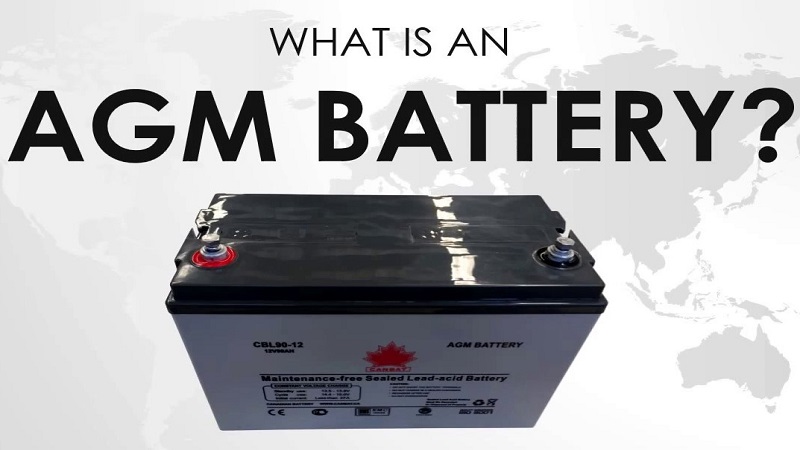
AGM (Absorbent Glass Mat) batteries are advanced lead-acid power sources that use fiberglass mats to trap acid inside, offering superior performance, durability, and safety compared to traditional flooded batteries. Ideal for today’s tech-heavy vehicles, they support start-stop technology, keep electronics running during engine-off modes, and deliver reliable cold-weather starts even under heavy electrical loads.
What Is an AGM Battery?
If you’ve ever wondered why your new car feels more “connected” than older models or why it seems to have so many electronic features that drain the battery faster there’s a good chance your vehicle runs on an AGM battery. In 2026, this technology isn’t just common; it’s becoming the standard for most modern passenger vehicles, hybrids, and even light-duty electric vehicles (EVs).
But what exactly makes an AGM battery different? Why do mechanics and automakers prefer it over the old flooded lead-acid type? And should you upgrade yours if you still drive a pre-2015 car? Let’s break it all down in simple terms no engineering degree required.
How Does an AGM Battery Work?
At its core, an AGM battery is still a lead-acid battery just a smarter, safer version. Traditional car batteries use liquid sulfuric acid as the electrolyte that flows between positive and negative plates to generate electricity. That means they’re open to air, prone to leakage, and require careful handling during installation.
AGM batteries change the game by using a fiberglass mat separator soaked in electrolyte instead. This mat absorbs and holds the acid in place, hence the name “Absorbent Glass Mat.” The result? A completely sealed unit that doesn’t spill or leak, even if dropped or installed at odd angles.
Inside the case, the plates are tightly wound or flat-pack designed to maximize surface area without taking up too much space. When you turn the ignition, the chemical reaction inside releases electrons, creating the electrical current needed to start the engine. But unlike regular batteries, AGMs can recharge quickly and withstand deep discharges meaning they recover better after being drained by accessories like GPS, alarms, or climate control.
Why Are AGM Batteries So Popular in 2026?
The automotive world has evolved rapidly over the past decade, and so has battery technology. By 2026, nearly every new car sold in North America comes equipped with either an AGM or lithium-ion battery. Here’s why:
Start-Stop Technology: Many modern engines shut off automatically when idling (to save gas), then restart instantly when you lift your foot off the brake. This puts extra strain on the battery because it must deliver massive power bursts repeatedly. AGM batteries handle this cycle effortlessly thanks to their low internal resistance and fast recharge capability.
High Electrical Loads: Think heated steering wheels, rear-seat entertainment screens, Wi-Fi hotspots, and adaptive cruise control. These amenities draw continuous power even when the engine isn’t running. AGM batteries maintain stable voltage under load, preventing dimming lights or sluggish starts.
Cold Weather Performance: In winter, chemical reactions slow down, making it harder for batteries to generate enough juice to crank an engine. AGMs perform significantly better in sub-zero temperatures due to their enhanced plate design and efficient charge acceptance.
Vibration Resistance: Modern vehicles especially SUVs and trucks travel rough terrain daily. AGM cases are ruggedized to absorb shocks and vibrations without damaging internal components, extending lifespan.
Compatibility with Regenerative Braking: Hybrid and electric vehicles capture energy during braking and feed it back into the battery. AGMs accept these rapid charge pulses without degradation, supporting sustainable driving cycles.
Types of AGM Batteries
Not all AGMs are created equal. In 2026, you’ll find two main categories:
Traditional AGM (also called Enhanced Flooded Battery or EFB): These serve as drop-in replacements for flooded batteries in milder start-stop applications. They’re less expensive but don’t handle extreme cycling as well.
True Deep-Cycle AGM: Built for heavy-duty use think commercial fleets, RVs, marine vessels, or EVs with auxiliary power needs. They feature thicker plates, advanced separators, and reinforced casings for maximum durability.
Most OEMs now specify true AGM for vehicles with full stop-start systems or integrated 12V/48V mild-hybrid setups.
AGM vs. Other Battery Types
To truly appreciate AGMs, let’s compare them side-by-side:
Flooded Lead-Acid: The classic battery open vented, needs water checks, prone to sulfation, and easily damaged by heat or vibration. Still found in budget cars or older models.
Gel Cell: Uses silica to turn electrolyte into a gel. Safer and spill-proof but slower charging and less efficient under high load not ideal for modern cars.
Lithium-Ion (LiFePO4): Lighter, lasts longer, and charges faster, but currently too costly for mass-market vehicles. Used mainly in premium EVs or off-grid solar setups.
When it comes to everyday passenger vehicles, AGM strikes the best balance between cost, performance, safety, and reliability.
Signs You Might Need an AGM Battery
Even if your car didn’t come with one originally, you may benefit from upgrading to an AGM later. Watch for these red flags:
- Your car has automatic start-stop functionality
- You frequently tow trailers or run power tools from the cigarette lighter
- You drive mostly in stop-and-go city traffic
- The battery dies after leaving headlights on overnight
- You notice dashboard warning lights related to charging systems
If any of these apply, talk to your mechanic about whether an AGM upgrade would improve reliability.
Installation Tips for AGM Batteries
Installing an AGM isn’t rocket science, but there are a few best practices to follow:
Match Amp-Hour (Ah) Rating: Never install a lower-capacity battery than recommended – it won’t handle electrical demands and will fail early. Always check OEM specs.
Secure Mounting Bracket: Loose batteries vibrate loose, causing internal damage. Use original hardware or aftermarket brackets rated for your vehicle model.
Clean Terminals First: Corrosion buildup creates resistance. Scrub terminals with baking soda solution before connecting.
Charge Before First Use: Some AGMs ship partially discharged. Use a smart charger to bring them to full state of charge within 24 hours.
Monitor Voltage Regularly: A healthy AGM should read ~12.6V when parked, dropping to ~10.8V during cranking. Stay above 10.5V at rest to avoid deep discharge.
Environmental Impact and Recycling
One often-overlooked advantage of AGM batteries is their eco-friendliness. Because they’re sealed and non-spillable, they pose minimal risk of acid leakage into soil or groundwater. Plus, they contain no hazardous additives like mercury or cadmium.
All lead-acid batteries including AGMs are 99% recyclable. In fact, every major manufacturer participates in take-back programs where old batteries are sent to certified recycling centers. Reclaimed lead, plastic, and sulfuric acid are reused to build new batteries, reducing mining needs and carbon footprint.
Future of AGM Technology
While lithium-ion dominates headlines, AGM isn’t going anywhere. In 2026, innovations like smart AGMs with built-in Bluetooth monitoring, self-diagnostic chips, and adaptive charging profiles are hitting the market. Some even integrate with vehicle telematics to alert owners about impending failures before they happen.
Researchers are also experimenting with graphene-enhanced separators to boost conductivity and lifespan further. Expect to see hybrid AGM-lithium designs in next-gen plug-in hybrids by 2027.
Conclusion
So, what is an AGM battery? Simply put, it’s the backbone of modern automotive electrification a tough, reliable, maintenance-free power source engineered for today’s tech-savvy rides. Whether you’re driving a luxury sedan with lane-keeping assist or a work truck loaded with toolboxes and winches, chances are your vehicle depends on AGM technology to stay alive when you need it most.
Investing in quality AGM ensures smoother starts, longer component life, and fewer roadside breakdowns. And with prices falling and performance rising, there’s never been a better time to make the switch or stick with what you already have if it’s up to spec.
Key Takeaways
- AGM = Absorbent Glass Mat: This technology uses a special glass mat separator between battery plates to hold electrolyte in place, preventing leaks and spills even if the battery is mounted sideways or upside down.
- Sealed & Maintenance-Free: Unlike old-style car batteries that needed water refills, AGM units are fully sealed—no maintenance required, making them perfect for busy drivers.
- Superior Starting Power: With higher cranking amps and reserve capacity, AGM batteries provide stronger bursts of electricity when you turn the key, especially in cold climates or with extra accessories like heated seats or infotainment systems.
- Longer Lifespan & Durability: Thanks to reduced corrosion and vibration resistance, AGM batteries typically last 2–3 times longer than conventional lead-acid batteries—often reaching 5+ years under normal use.
- Ideal for Modern Vehicles: Designed to handle high-demand electronics, regenerative braking, and start-stop features common in 2026’s fuel-efficient and hybrid cars.
- Eco-Friendly & Recyclable: AGM batteries contain no free-flowing acid and can be recycled just like other lead-acid types, reducing environmental impact while supporting circular economy goals.
- Higher Upfront Cost, Better Value: While pricier initially, their longevity and performance mean fewer replacements over time—making them a smarter long-term investment.
Frequently Asked Questions
Can I replace my old battery with an AGM one?
Yes, but only if your vehicle supports it. Check your owner’s manual or consult a mechanic. Some older cars may need additional modifications or software updates to handle AGM-specific charging profiles.
Do AGM batteries charge differently?
They require slightly different charging voltages than flooded batteries—usually 14.4–14.8 volts during absorption phase. Using a standard charger without AGM compatibility can reduce lifespan or cause overcharging.
Are AGM batteries worth the extra cost?
Absolutely. Their longer life, better performance, and compatibility with modern systems mean lower replacement frequency and fewer unexpected failures saving money and hassle in the long run.
Can AGM batteries be used in motorcycles?
Yes! Many high-performance and touring motorcycles use AGM batteries for their vibration resistance and compact size. Just ensure the model matches your bike’s power requirements.
How do I know if my AGM battery is failing?
Watch for dimming headlights, slow cranking, frequent jump-starts, or a swollen case. Most 2026 models also send battery health alerts through the dashboard or smartphone app.
Can I mix AGM and flooded batteries in a dual-bank system (e.g., in a camper)?
Generally not recommended. Different chemistries and charging needs can lead to imbalances. Stick to same-type batteries unless advised by a marine or RV specialist.