
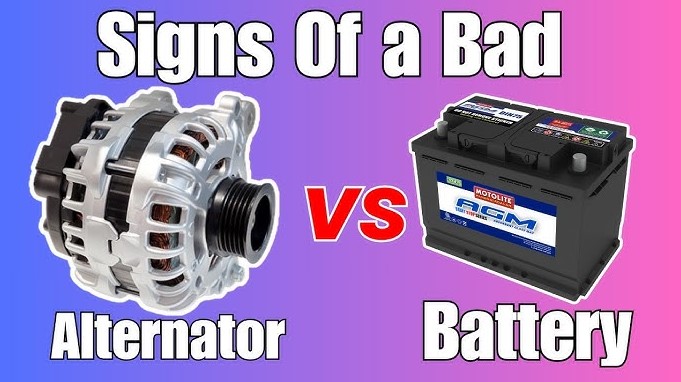
If your car won’t start or keeps stalling, you might be facing a charging system failure. Learning how to tell if battery or alternator is bad can save you hundreds in unnecessary repair costs and get you back on the road safely.
There is nothing quite as frustrating as turning your key or pressing the start button only to be met with total silence. In the middle of your busy 2026 commute, a dead car is the last thing you need. Many drivers immediately assume they need a new battery, but that is not always the case.
Understanding how to tell if battery or alternator is bad will change how you handle these unexpected roadside emergencies. Think of your car’s electrical system like a team. The battery is the sprinter who gets you out of the gate, while the alternator is the marathon runner who keeps the pace for the rest of the journey.
If the sprinter is tired, the race does not start. If the marathon runner drops out, the whole team eventually loses steam. Knowing which one is failing ensures you fix the right part the first time.
Key Takeaways
- The Battery’s Job: The battery is primarily responsible for providing the initial burst of energy needed to crank the engine.
- The Alternator’s Job: Once the engine is running, the alternator takes over to power your electronics and recharge the battery.
- The Jump-Start Test: If your car starts with a jump but dies immediately after you remove the cables, the alternator is likely failing.
- Warning Lights: A battery-shaped warning light on your dashboard is a clear signal that your charging system is not functioning correctly.
- Listen for Sounds: Grinding or whining noises under the hood often point toward a failing alternator bearing.
- Regular Maintenance: In 2026, modern vehicle diagnostic tools make it easier than ever to monitor your car’s voltage levels before a total breakdown.
The Basics of Your Charging System
To understand the breakdown, you need to know how these two components work together. Modern vehicles in 2026 have more electronic sensors and advanced infotainment systems than ever before, putting a higher demand on your power supply. This makes the partnership between your battery and alternator more vital than it has been in decades.
What the Battery Actually Does
Your car battery is a storage tank for chemical energy. Its primary purpose is to provide that massive jolt of electricity needed to turn the starter motor. Once that motor spins the engine and the combustion process begins, the battery’s job is mostly done. It sits there, waiting for the next time you need to fire up the car, while also powering low-draw items like your alarm system or clock memory.
The Role of the Alternator
Once the engine is purring, the alternator kicks into high gear. It turns mechanical energy from the engine’s spinning belt into electrical energy. This current does two things: it runs your lights, heated seats, and navigation system, and it sends a constant charge back into the battery to “top it off.” If your alternator fails, your car will run strictly off the battery’s stored power until it is completely drained, at which point the engine will simply stop.
Early Warning Signs of a Bad Battery
A battery usually gives you plenty of warning before it dies completely. If you are paying attention, you can spot the signs long before you are stranded in a parking lot. Batteries typically last three to five years, so if yours is approaching that age, keep an eye on these common red flags.
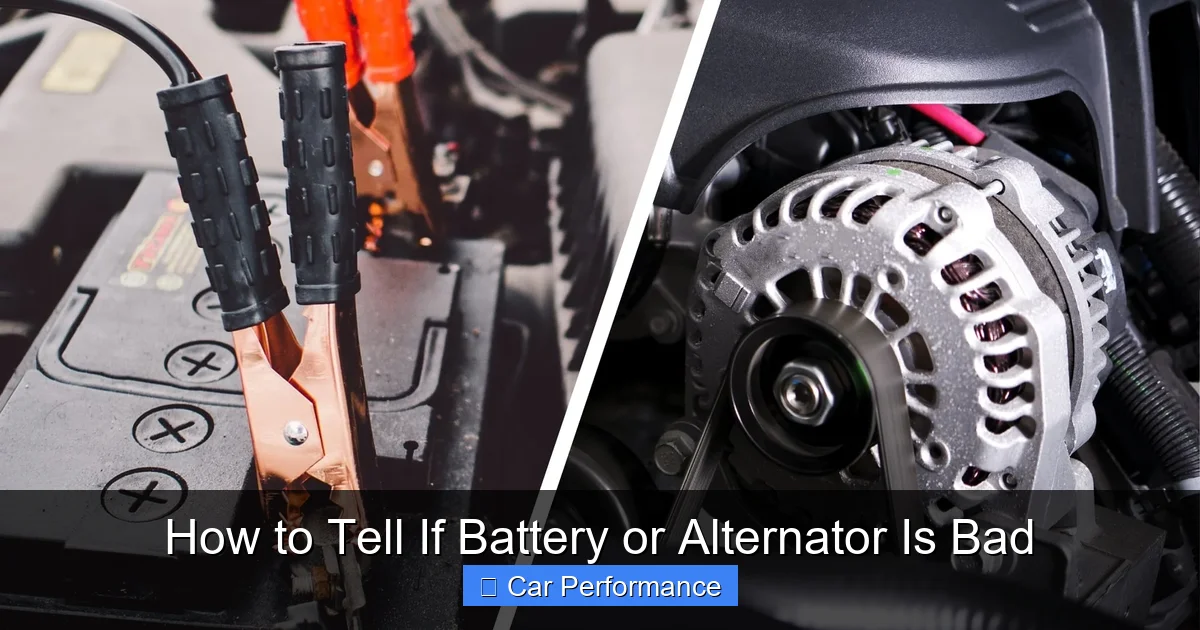
Visual guide about How to Tell If Battery or Alternator Is Bad
Image source: classiccarmaintenance.com
Slow Engine Cranking
Do you notice the engine sounds “sluggish” when you turn the key? If it takes a second or two longer than usual to start, your battery is likely struggling to provide enough cranking amps. This is often the first symptom of a battery that is losing its capacity to hold a charge effectively.
Corrosion on Terminals
Pop the hood and look at the battery terminals those two metal posts where the cables connect. If you see a white, powdery, or crusty substance, that is corrosion. This buildup can act as an insulator, preventing electricity from flowing freely from the battery to the car. Sometimes, a simple cleaning is all you need, but heavy corrosion often signals that the battery is leaking gas, which means it is time for a replacement.
The “Bloated” Battery Case
If you see that your battery case looks swollen, bulging, or warped, stop what you are doing. This is usually caused by excessive heat or overcharging. A battery that has lost its shape is a dangerous hazard and should be replaced immediately. Never try to “fix” a bulging battery; just take it to a recycling center or an auto parts store.
Identifying Alternator Failures
While battery issues are usually about starting the car, alternator issues are about running the car. Because the alternator powers everything while the engine is active, the symptoms of its failure are often much more noticeable while you are driving.
Dimming or Flickering Lights
If your headlights or dashboard interior lights start to dim when you come to a stop or accelerate, your alternator might be struggling to keep up with the electrical load. Since the alternator relies on engine RPM to generate power, a failing unit will show its weakness when the engine is idling and not spinning as fast.
Strange Noises Under the Hood
Alternators use internal bearings that spin at very high speeds. Over time, these bearings can wear out. If you hear a rhythmic growling, whining, or grinding noise coming from the front of your engine, it is often a sign of a dying alternator bearing. If you ignore this sound, the alternator will eventually seize up, which can snap your drive belt and leave you dead in the water.
Electrical Glitches
In 2026, our cars are computers on wheels. A failing alternator can cause “dirty” or inconsistent power. You might notice your windows moving slower than usual, your radio resetting itself, or strange error messages popping up on your dashboard. These aren’t just software bugs; they are often symptoms of an alternator that can no longer provide a steady voltage to your car’s delicate electronic control units.
The Definitive “How to Tell” Testing Guide
You don’t need to be a professional mechanic to perform some basic troubleshooting. With a few simple steps, you can figure out exactly where the problem lies. Always prioritize safety by wearing gloves and eye protection when working near the battery.
The Jump-Start Diagnostic
This is the most effective way to test your system at home. If your car won’t start, ask a friend to help you jump it. If the car starts and runs while the cables are attached, but then dies immediately after you take them off, the culprit is almost certainly the alternator. The alternator was unable to take over the electrical load. If the car stays running after you remove the cables, your battery was likely just drained and the alternator is doing its job.
Using a Multimeter
If you have a basic digital multimeter, you can get a precise reading. Set your meter to DC Voltage. With the engine off, a healthy battery should show around 12.6 volts. Start the engine. A healthy alternator should push that number up to between 13.8 and 14.8 volts. If the voltage remains below 13 volts while the engine is running, your alternator is not charging the battery properly.
The Dashboard Light Clue
Most modern cars have a battery symbol on the dash. Contrary to popular belief, this is not just a “battery” light—it is a “charging system” light. If this light stays illuminated while you are driving, it is telling you that the computer has detected a voltage drop. It is a loud and clear message to get your charging system inspected as soon as possible.
Maintenance and Long-Term Care
The best way to deal with electrical problems is to prevent them entirely. Car batteries are sensitive to temperature extremes, and the alternator is sensitive to belt tension and cleanliness. By following a few simple maintenance tips, you can extend the life of both components significantly.
Check Your Connections
Loose or corroded battery cables are the #1 cause of “false” battery failure. Every six months, check to make sure the terminal clamps are tight. If you see corrosion, mix a little baking soda and water to create a paste and scrub it off with an old toothbrush. Keeping those contacts clean ensures that the energy from the alternator actually reaches the battery.
Monitor Your Drive Belt
The alternator is driven by the serpentine belt. If this belt is loose, cracked, or worn out, the alternator cannot spin fast enough to generate power. Inspecting your belts once a year is a simple 2026 maintenance task that can prevent your alternator from failing prematurely.
Limit Parasitic Drain
Did you leave a dome light on? Or perhaps you have a dashcam or an aftermarket sound system that draws power even when the engine is off? These “parasitic drains” slowly kill your battery. If you know your car is going to sit for a week or more, consider using a battery tender to keep it at a healthy voltage.
Conclusion
Learning how to tell if battery or alternator is bad is an empowering skill for any car owner. By paying attention to the small signs like slow starts, dimming lights, or unusual noises you can catch these issues before they become full-blown breakdowns. Whether it is a simple battery replacement or a more involved alternator repair, your car will always give you hints if you know what to look for.
Remember, if you ever feel unsure about your findings, local auto parts stores in 2026 often provide free electrical system testing. They have the professional diagnostic equipment to give you a definitive answer in minutes. Take care of your electrical system, and your vehicle will return the favor with miles of reliable, trouble-free driving.
Frequently Asked Questions
Can a bad battery damage my alternator?
Yes, a failing battery that cannot hold a charge forces the alternator to work at 100% capacity constantly to keep the car running. This extra strain can cause the alternator to overheat and fail prematurely.
How long should a car battery last in 2026?
Most high-quality car batteries last between three and five years depending on the climate. Extreme heat is actually more damaging to batteries than extreme cold, as it increases the rate of internal corrosion.
Can I drive with a bad alternator?
You can technically drive a short distance if your battery is fully charged, but it is highly discouraged. Once the battery loses its remaining charge, the engine will shut down, potentially leaving you stranded in dangerous traffic.
Why does my car start fine but the battery light stays on?
This usually indicates that the alternator is providing enough power to keep the engine running, but not enough to effectively charge the battery. You should have the charging system tested immediately to prevent a total power loss.
Is it cheaper to replace the battery or the alternator?
Replacing a battery is almost always significantly cheaper and easier than replacing an alternator. If you are experiencing electrical issues, always test the battery first as it is the most common point of failure.
Should I replace both the battery and alternator at the same time?
Not necessarily. You only need to replace the part that has failed. However, if your battery is very old and you have to replace the alternator, it is often a good preventative measure to replace the battery as well.