
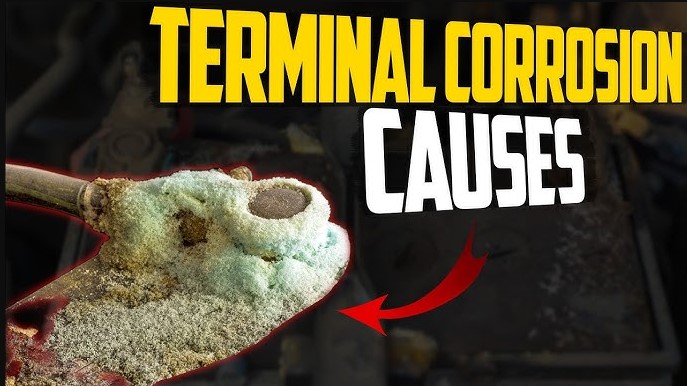
Battery corrosion is a common issue caused by chemical reactions between battery gases, moisture, and metal terminals. Proper maintenance and regular cleaning are essential to ensure your vehicle starts reliably in 2026 and beyond.
If you have ever popped the hood of your car only to find a strange, powdery substance clinging to your battery terminals, you have likely asked yourself: what causes battery corrosion? It is one of the most common sights for car owners, yet it remains widely misunderstood. Seeing that white, blue, or green crust might make you worry that your vehicle is falling apart, but the good news is that it is usually a routine part of battery life.
As we navigate through 2026, our vehicles are more reliant on stable electrical systems than ever before. Whether you are driving a traditional internal combustion engine or a sophisticated hybrid, your battery is the heart of the operation. Understanding the science behind what causes battery corrosion empowers you to keep your car running smoothly without the headache of a “no-start” situation in your driveway.
Key Takeaways
- Chemical Reactions: Most corrosion occurs when hydrogen gas from the battery reacts with atmospheric moisture and terminal metals.
- Preventive Maintenance: Regular inspection of battery posts helps identify early signs of corrosion before they affect connectivity.
- Cleaning Solutions: A simple mixture of baking soda and water is highly effective at neutralizing acidic buildup on terminals.
- Temperature Impact: Extreme heat or cold accelerates the chemical processes that lead to terminal corrosion.
- Tight Connections: Loose battery cables increase resistance and heat, which promotes faster corrosion development.
- Protective Barriers: Using anti-corrosion washers or terminal grease creates a seal that blocks oxygen and moisture.
The Chemistry Behind the Crust
At its core, battery corrosion is a chemical process. To understand what causes battery corrosion, we have to look at what is happening inside and around your battery. Even in a perfectly sealed system, minor reactions are constantly taking place.
Hydrogen Gas and Electrolytes
Lead-acid batteries function by using a liquid electrolyte a mix of water and sulfuric acid. During the charging and discharging cycles, minor amounts of hydrogen gas can escape from the vents of the battery. When this gas meets the air surrounding the terminals, it begins to react.
The Role of Oxidation
The metal terminals on your battery are typically made of lead, which is excellent for conductivity but prone to oxidation. When hydrogen gas, oxygen, and moisture from the air meet these lead terminals, they create lead sulfate or copper sulfate. This is the crusty buildup you see. While it looks like simple dirt, it acts as an insulator, which is the exact opposite of what you want for an electrical connection.
External Factors Accelerating Corrosion
If you live in a specific climate, you might notice your battery corrodes faster than your friend’s vehicle. What causes battery corrosion isn’t just internal chemistry; your environment plays a massive role in how quickly these deposits form.
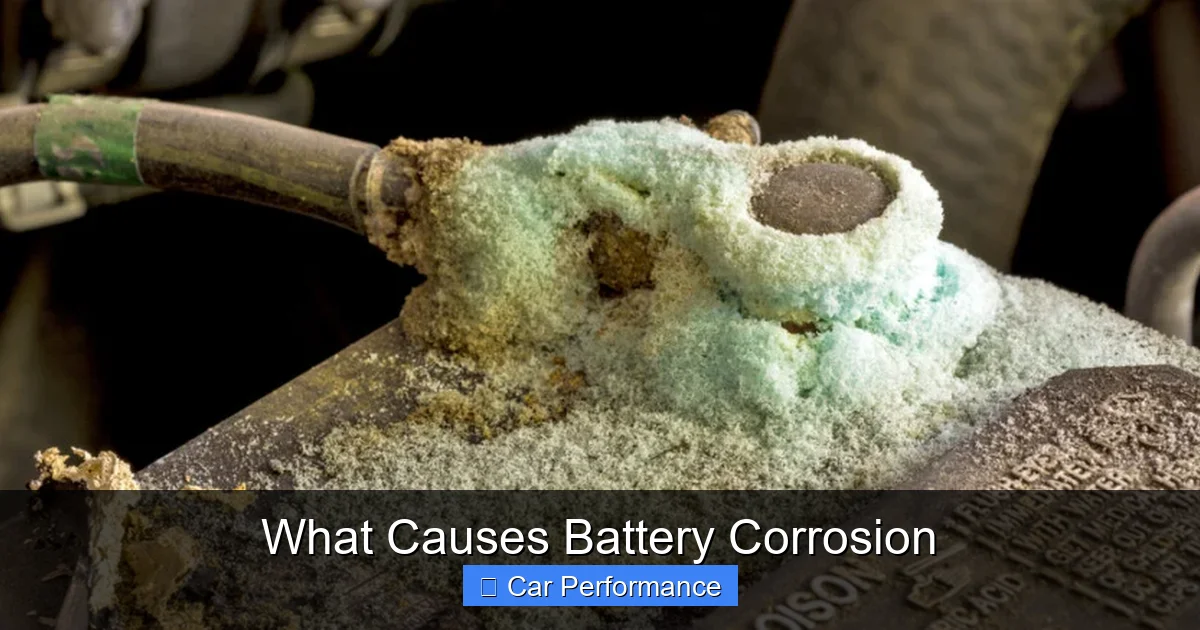
Visual guide about What Causes Battery Corrosion
Image source: mechanicbase.com
Humidity and Moisture
Moisture is the catalyst for almost all corrosion. If you live in a humid or coastal area, the salt and moisture in the air act as a conductive pathway. This accelerates the chemical reaction between the metal terminals and the escaping battery gases. The higher the humidity, the faster that white crust will grow.
Extreme Temperature Fluctuations
In 2026, we are seeing more volatile weather patterns. Extreme heat causes the battery to work harder and can cause the electrolyte to expand and vent more gas. Conversely, extreme cold makes the metal contract and expand, potentially loosening the connection at the terminal. A loose connection leads to higher resistance, which generates heat, and that extra heat encourages more corrosion.
Why Corrosion Impacts Car Performance?
You might wonder why a little bit of powder is a big deal. The truth is that your car’s electrical system is a finely tuned machine. When you ask what causes battery corrosion to affect performance, the answer is resistance.
Increased Electrical Resistance
Electricity needs a clean, metal-to-metal path to flow. Corrosion creates a physical barrier between the battery post and the cable clamp. This barrier forces the electrical current to work harder to pass through. This leads to dimming lights, slow engine cranks, and in worst-case scenarios, a completely dead battery that won’t take a charge.
The Charging System Strain
When the terminals are corroded, the alternator has to work overtime to push power to the battery. This puts unnecessary stress on your vehicle’s charging system, which can shorten the lifespan of your alternator. Keeping your terminals clean is effectively an insurance policy for your entire electrical system.
How to Identify and Clean Corrosion?
Regular maintenance is the best defense. You don’t need to be a professional mechanic to manage what causes battery corrosion. With just a few basic tools, you can keep your system in top shape.
Spotting the Signs
Early detection is key. If you see white or blue powdery deposits, that is a sign of lead sulfate or copper sulfate. If the substance is green, it often indicates copper corrosion. If the buildup is thick or hard to remove, your battery might be overcharging or venting excessively, which could indicate it is reaching the end of its life.
The Simple Cleaning Process
You can make a powerful cleaning agent right in your kitchen. Mix a tablespoon of baking soda with a cup of warm water. Using an old toothbrush, gently scrub the terminals. The baking soda is alkaline, which neutralizes the acidic corrosion. Always wear gloves, as the corrosion itself can be irritating to the skin, and ensure the engine is off before you begin.
Prevention Strategies for 2026
Why wait for the crust to appear? There are several proactive steps you can take to stop the process before it starts. Prevention is much easier than cure when it comes to battery maintenance.
Using Terminal Protectors
You can purchase felt anti-corrosion washers that sit at the base of the battery post. These are usually treated with an anti-corrosion chemical and provide a physical barrier between the terminal and the elements. They are inexpensive and highly effective.
Terminal Grease and Sprays
Applying a thin layer of battery terminal grease or a protective spray after cleaning your terminals creates an airtight seal. This prevents moisture and oxygen from reaching the metal, which stops the oxidation process in its tracks. In 2026, these products are widely available at any auto parts store and are a must-have for every DIY enthusiast.
Checking Cable Tightness
Periodically check that your battery cables are tight. If you can wiggle them by hand, they are too loose. Tightening them ensures a solid electrical contact, reducing the heat that often serves as an accelerant for corrosion.
Conclusion
Knowing what causes battery corrosion is the first step toward better vehicle maintenance. While the process is a natural result of chemical reactions, it does not have to be a constant struggle. By understanding the roles of moisture, gas, and electrical resistance, you can keep your car performing at its peak.
Remember, a few minutes of inspection every few months can save you from a morning where your car simply refuses to start. Keep your terminals clean, keep your connections tight, and enjoy the confidence that comes with a well-maintained vehicle. Whether you are a casual driver or a car enthusiast, treating your battery with a little care will pay off in long-term reliability.
Frequently Asked Questions
Is battery corrosion dangerous to touch?
Yes, battery corrosion is typically acidic and can cause skin irritation or chemical burns. Always wear protective gloves and safety glasses when cleaning your battery terminals.
Does a lot of corrosion mean my battery is dying?
Not necessarily, but it can be a sign. While minor corrosion is normal maintenance, excessive buildup that keeps returning quickly may indicate a faulty battery case or an overcharging alternator.
Can I use water to clean battery corrosion?
Plain water is not enough to neutralize the acid. It is better to use a baking soda and water mixture, which chemically neutralizes the acidic deposits for a deeper clean.
Should I disconnect the battery before cleaning?
Yes, it is highly recommended to disconnect the battery cables starting with the negative terminal first. This prevents accidental short-circuiting while you are cleaning around the posts.
Will terminal grease stop corrosion forever?
It provides a long-lasting barrier, but it is not permanent. It is a good idea to check your terminals during every oil change to ensure the grease is still present and the connections are clean.
Why is my battery corrosion blue?
Blue corrosion usually indicates that the copper in your battery cables is reacting with the acid. This often happens if the battery is leaking gas or if the cable insulation has been compromised.