
A dead car battery is one of the most frustrating experiences for any driver, but understanding what drains a car battery can help you avoid being left stranded. By monitoring your electrical components, climate habits, and driving patterns, you can significantly extend the life of your vehicle’s power source.
Have you ever turned your key or pressed that start button only to be met with total silence or a pathetic clicking sound? It is a sinking feeling we have all experienced at least once. In 2026, as our vehicles become more advanced and connected than ever, understanding what drains a car battery is more important than it has ever been.
Your battery is the heartbeat of your car, and when it stops, your entire day usually grinds to a halt right along with it. The good news is that most battery issues are preventable. By getting to know your vehicle’s needs and keeping an eye on the systems that support your battery, you can avoid the headache of a jump-start. Let’s dive into the common reasons why these power units give out and how you can stay on the road.
Key Takeaways
- Human Error: Leaving lights or interior accessories on is the most common reason for a dead battery.
- Charging System Issues: A faulty alternator will fail to keep your battery charged even while you are driving.
- Extreme Temperatures: Both intense heat and freezing cold significantly shorten a battery’s lifespan and reduce its capacity.
- Parasitic Drains: Faulty wiring or aftermarket devices can continue to draw power even when your car is completely turned off.
- Age and Degradation: Most car batteries last between three to five years; once they hit this age, their ability to hold a charge drops sharply.
- Short Trips: Frequent, short drives prevent the alternator from fully recharging the battery, leading to premature failure.
The Usual Suspects: User Habits
Often, the reason for a battery failure is as simple as a small oversight. We are all busy, and it is incredibly easy to walk away from your car while leaving something running. Even with modern “auto-off” technology in many 2026 models, it is still possible to accidentally leave a battery-draining component active.
Leaving Lights On
It sounds old-fashioned, but leaving your headlights or interior dome lights on is still the number one cause of a dead battery. While many new cars have sensors that cut power to the lights when you lock up, it is not a universal feature yet.
If you have an older car or a vehicle with manual light switches, always do a quick visual check before you lock the door. Even a small interior vanity mirror light can sap enough energy overnight to make your car stubborn in the morning.
Ignoring Accessories
Modern cars are packed with technology, from dash cams to high-end audio systems. If you have aftermarket accessories plugged into your 12-volt ports, they might be pulling power even when the engine is off. This is a subtle drain that happens over days or weeks. If you plan on leaving your car parked at the airport or in the garage for an extended period, it is a smart move to unplug anything unnecessary.
The Role of the Charging System
Your battery doesn’t work alone. It is part of a delicate ecosystem managed by the alternator. Think of the battery as the spark plug for your car’s startup, and the alternator as the powerhouse that refills the battery while you are driving down the highway.
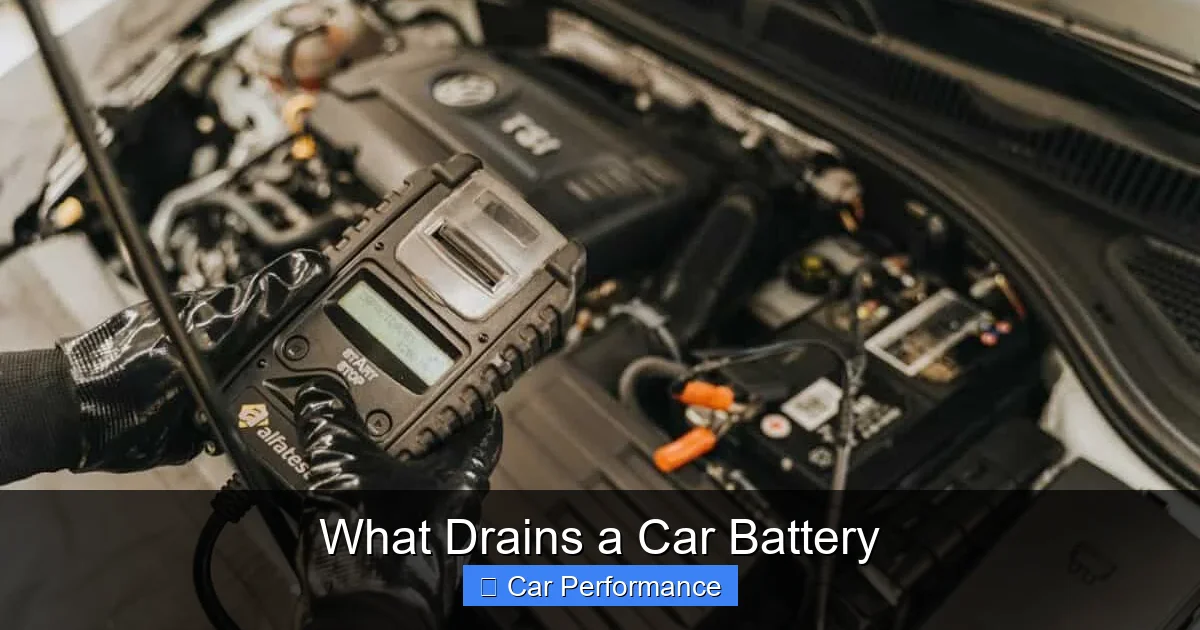
Visual guide about What Drains a Car Battery
Image source: eurosparx.co.nz
The Alternator’s Job
If your alternator is struggling, your battery will eventually die, even if it is brand new. The alternator provides electricity to the vehicle’s electrical components while the engine is running and simultaneously keeps the battery topped off.
Signs that your alternator might be failing include dimming headlights, strange noises, or a battery warning light glowing on your dashboard. If you notice these symptoms, head to a mechanic immediately. It is much cheaper to replace an alternator than to find yourself stranded in the middle of nowhere.
Corroded Connections
Sometimes, the battery itself is fine, but the connection is bad. Over time, battery terminals can develop a crusty, white or blue corrosion. This buildup acts as an insulator, blocking the flow of electricity between the battery and the car.
A simple cleaning with a wire brush and a mixture of baking soda and water can often solve this problem. Keeping your terminals clean is a low-effort, high-reward habit that prevents many “dead battery” calls.
How Climate Impacts Power?
We often talk about the effects of winter on car batteries, but heat is just as dangerous. In 2026, with the increasing frequency of extreme weather patterns, temperature control is a major factor in battery longevity.
The Winter Slump
Cold weather slows down the chemical reactions inside your battery. When the temperature drops, your engine oil also thickens, making it harder for the starter motor to turn the engine over. It’s a double whammy: the battery is weaker exactly when the car needs the most power to start. This is why you see so many dead batteries on that first frosty morning of the year.
The Hidden Danger of Heat
While cold gets all the headlines, heat is actually a battery’s silent assassin. Excessive heat can cause the fluid inside your battery to evaporate, damaging the internal structure. If you live in a particularly hot climate, you might notice your battery failing sooner than the suggested 3-5 year interval. Whenever possible, try to park in the shade or in a garage to keep your battery temperature in a safer range.
Short Trips and Parasitic Drain
The way you drive plays a huge role in your battery’s health. If your daily commute is extremely short, you might be depriving your battery of the charge it needs to stay healthy.
The Short Trip Trap
When you start your car, the battery loses a significant amount of energy to turn over the engine. If you only drive for five or ten minutes, the alternator does not have enough time to replace that lost energy.
Over weeks of short, repeated trips, your battery will slowly lose its charge until it can no longer start the car. If you mostly take short trips, try to take the car out for a longer drive on the weekends to help the battery reach a full charge.
What is Parasitic Drain?
A parasitic drain occurs when an electrical component continues to pull power from the battery even when the car is completely shut off. It might be a bad door switch, a faulty relay, or an incorrectly installed radio.
While a small amount of “standby” power is normal for the clock or the alarm system a large drain will kill your battery within a few days. If you find your battery dead after just 24 hours of sitting, you likely have a parasitic drain that a technician needs to diagnose.
When to Replace Your Battery?
Everything has a shelf life, and your car battery is no exception. Understanding that batteries are consumable items is the first step toward avoiding frustration.
Knowing the Signs of Age
Most modern lead-acid batteries are designed to last between three and five years. As the battery approaches the end of its life, it loses its ability to hold a strong charge. You might notice the car takes a second longer to start, or your lights seem a bit dim at idle. If your battery is more than three years old and you start noticing these signs, it is better to test it or replace it proactively rather than waiting for it to fail on your way to work.
Testing Your Battery
In 2026, most auto parts stores and service centers will test your battery for free. This test takes only a few minutes and measures the “Cold Cranking Amps” (CCA). This number tells you exactly how much power your battery has left. Don’t wait until you are stuck in a parking lot; stop by a shop once a year to get a quick health check on your battery.
Conclusion
Knowing what drains a car battery is the key to maintaining your vehicle’s reliability. Whether it is the simple mistake of leaving an interior light on, the wear and tear of a harsh summer, or the gradual decline of an aging battery, most of these issues are manageable with just a little bit of awareness.
By maintaining your connections, keeping an eye on your alternator, and being mindful of your driving habits, you can keep your car starting smoothly for years to come. Remember: your car is an investment, and a healthy battery is the best way to protect that investment and ensure your peace of mind on the road.
Frequently Asked Questions
How often should I replace my car battery?
Most car batteries last between three and five years depending on climate and usage. It is a good practice to have your battery tested annually once it reaches the three-year mark to monitor its health.
Will jump-starting my car fix the battery permanently?
No, a jump-start only provides enough power to get the engine running so the alternator can take over. If your battery is old or damaged, it will likely fail to start the car again the next time you turn it off.
Can driving more fix a dead battery?
If the battery was drained because of a single incident, such as leaving the lights on, driving for 30-60 minutes can help the alternator recharge it. However, if the battery is faulty or the alternator is broken, driving will not resolve the issue.
What are the signs of a failing car battery?
Common signs include a slow engine crank, dim dashboard lights, a battery warning light, or the need to press the gas pedal to start the car. You may also notice a physical swelling or bloating of the battery case due to heat exposure.
Does cold weather really kill batteries?
Yes, cold weather slows down the chemical reactions inside the battery and thickens engine oil. This requires more power to start the engine, which often exposes a battery that was already near the end of its life.
What is a parasitic draw?
A parasitic draw is when a component in your car continues to pull electricity from the battery even when the engine is off. This is often caused by faulty wiring or aftermarket accessories and can drain a battery completely within a few days.