
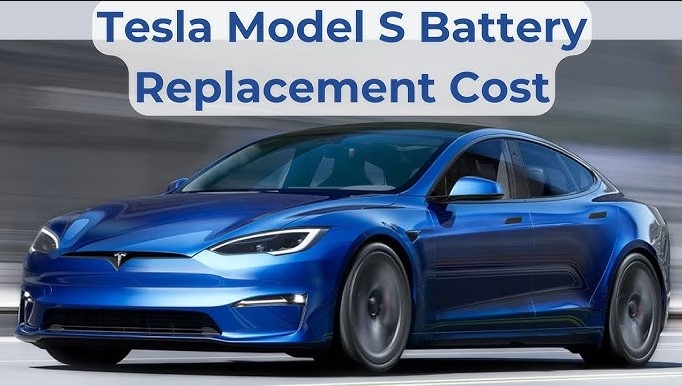
Replacing a Tesla battery in 2026 could cost between $15,000 and $20,000, though many owners may not need to pay out of pocket thanks to strong warranties and battery health monitoring. With advancements in battery technology and increasing second-life programs, Tesla owners have more affordable and sustainable options than ever before.
Key Takeaways
- Battery Replacement Costs: As of 2026, replacing a Tesla battery typically ranges from $15,000 to $20,000, depending on the model and labor costs.
- Warranty Coverage: Most Tesla batteries are covered under an 8-year or 120,000-mile warranty, with some newer models offering up to 15 years or 200,000 miles.
- Battery Health Monitoring: Tesla continuously tracks battery performance, so replacements are often only needed when degradation exceeds 30%.
- Second-Life Programs: Used Tesla batteries are increasingly repurposed for energy storage, reducing waste and offering recycling value.
- Cost-Saving Tips: Regular maintenance, software updates, and avoiding extreme temperatures can significantly extend battery life and delay replacement.
- Financing & Incentives: Some service centers now offer payment plans, and federal tax credits may apply to EV-related repairs in certain regions.
- Future Trends: Solid-state and 4680-cell technologies could reduce future replacement costs by up to 30% by the late 2020s.
How Much to Replace Tesla Battery in 2026: A Complete Guide
If you’re a Tesla owner, you’ve probably wondered: “How much to replace Tesla battery?” It’s one of the most common questions people ask as their vehicle ages especially with EVs becoming more mainstream and battery concerns top of mind. By 2026, Tesla has made significant strides in battery durability, warranty policies, and replacement accessibility. But let’s be real no one wants to drop a small fortune on a new battery unless absolutely necessary.
In this article, we’ll break down everything you need to know about Tesla battery replacement costs, what triggers the need for a swap, and how you might avoid it altogether. Whether you drive a Model S, Model 3, Model X, or Model Y, understanding the financial and technical side of battery replacement will help you make smarter decisions. We’ll also look at emerging trends like battery recycling, second-life applications, and Tesla’s evolving service ecosystem.
Why Battery Replacement Matters?
Your Tesla’s battery is the heart of your car. It powers every mile, every acceleration, and every feature from Autopilot to over-the-air updates. Over time, like all rechargeable batteries, it loses capacity – this is called battery degradation. When that happens, your range shrinks, charging times increase, and performance may dip slightly.
Tesla monitors battery health remotely using data sent from your car. Most owners won’t even notice degradation until it hits around 20–30%, and even then, it might not require immediate replacement. But when degradation passes a certain threshold usually due to age, usage patterns, or environmental factors Tesla may recommend a battery replacement.
So why consider replacing it? Because a degraded battery affects your daily driving experience. If you rely on your Tesla for long commutes or road trips, maintaining full range is essential. Plus, a fresh battery can restore lost efficiency and improve overall vehicle performance.
What Factors Influence How Much to Replace Tesla Battery?
The cost to replace a Tesla battery isn’t one-size-fits-all. Several variables affect the final price, including your model, battery type, labor requirements, and where you get the replacement done.
1. Tesla Model and Battery Size
Different Tesla models come with different battery capacities. For example:
- Model 3 (Standard Range): ~60 kWh
- Model 3 Long Range: ~82 kWh
- Model Y Long Range: ~82–97 kWh
- Model S Plaid: ~100+ kWh
- Model X Plaid: ~100+ kWh
Larger batteries mean higher replacement costs. A Model S Plaid battery replacement will naturally be more expensive than a Model 3 due to size, complexity, and materials used.
2. Battery Type
Tesla has evolved its battery chemistry over the years. Early models used nickel-cobalt-aluminum (NCA) cells, while newer ones (especially those built in 2023 onward) use nickel-manganese-cobalt (NMC) chemistry. NMC batteries tend to last longer and degrade slower, which can delay the need for replacement and reduce long-term costs.
Additionally, Tesla’s 4680 cells introduced in Cybertruck and some Model Y builds—offer improved energy density and thermal management, potentially lowering future replacement costs.
3. Labor and Installation Costs
Replacing a Tesla battery isn’t just swapping parts it’s a complex procedure requiring specialized tools, diagnostics, and trained technicians. The average labor cost for a full battery pack replacement ranges from $1,500 to $3,000, depending on the model and service center location.
For context, a Model 3 battery replacement might take 8–10 hours, while a Model X or S could take up to 16 hours due to structural integration and safety protocols.
4. Service Location
In 2026, Tesla operates over 2,000 Supercharger and service locations globally. Urban areas with high demand may charge more for labor, while rural or less congested regions might offer lower rates. Independent certified shops may also provide competitive pricing, though they must use OEM-approved parts.
Current Cost Estimates: How Much to Replace Tesla Battery in 2026
As of 2026, here’s a realistic breakdown of what you might expect to pay:
| Model | Average Battery Replacement Cost |
|---|---|
| Model 3 (Long Range) | $15,000 – $17,000 |
| Model Y (Long Range) | $17,000 – $19,000 |
| Model S (Plaid) | $19,000 – $22,000 |
| Model X (Plaid) | $20,000 – $24,000 |
These figures include both the battery pack and labor. Note that prices vary by region and whether you use a third-party provider. Tesla’s official estimates align closely with these numbers, especially for vehicles still under warranty.
Keep in mind: many owners never reach this point. Tesla’s battery warranty covers “significant degradation” typically defined as a loss of over 30% of original capacity. If your battery drops below that, Tesla will replace it free of charge.
Is Battery Replacement Still Necessary in 2026?
This is a great question and the answer depends on how you use your car and how well you maintain it.
Battery Longevity Has Improved Dramatically
In 2026, most Tesla owners who drive 12,000–15,000 miles per year can expect their battery to retain 80–90% of its original capacity after 8–10 years. That means many drivers won’t need a replacement until well into the next decade.
Tesla’s latest software updates include advanced battery management systems that optimize charging cycles, reduce heat buildup, and balance cell performance. These features help slow degradation significantly.
When Do You Actually Need a Replacement?
Signs you might need a battery replacement include:
- Range dropping below 70% of original estimate
- Frequent fast-charging limitations
- Warning messages about battery performance
- Autopilot or regenerative braking behaving erratically
If you see any of these signs, check your battery health via the Tesla app or schedule a diagnostic at a service center. Many issues can be resolved with software updates or minor repairs—not a full replacement.
Can You Avoid Full Battery Replacement?
Absolutely! There are several ways to extend your battery’s life and delay the need for a replacement.
1. Follow Best Charging Practices
Keep your battery between 20% and 80% charged whenever possible. Frequent full charges (100%) or deep discharges (below 10%) accelerate degradation. Use Scheduled Charging to limit overnight charging to 90% if you don’t need the full range.
2. Park in Moderate Temperatures
Extreme heat and cold stress battery cells. Park in shaded or climate-controlled areas when possible. In winter, use preconditioning to warm the battery before driving – this improves efficiency and protects cells.
3. Limit Fast Charging
While Superchargers are convenient, frequent DC fast charging increases heat and wear. Try to use Level 2 chargers (like home outlets or public stations) for daily top-ups instead.
4. Keep Software Updated
Tesla releases over-the-air updates regularly. These often include battery optimization improvements that enhance longevity and performance.
5. Monitor Battery Health Monthly
Use the Tesla app or visit a service center annually for a health check. Catching issues early can prevent costly repairs later.
Alternatives to Full Replacement
Even if your battery degrades beyond repair, you don’t always need a brand-new pack. Here are some alternatives:
Used or Remanufactured Batteries
Some certified shops offer rebuilt or reconditioned Tesla battery packs at 40–60% lower cost than new ones. While not ideal for everyone, they can be a budget-friendly option for older models.
Second-Life Energy Storage
Instead of scrapping old batteries, Tesla and other companies repurpose them for home and grid-scale energy storage. If your battery reaches end-of-life but still holds 70–80% capacity, you might qualify for a trade-in program that gives you credit toward a new system.
Partial Cell Replacement
In rare cases, individual battery modules can be replaced without changing the entire pack. This reduces cost and downtime but requires advanced diagnostics and access to OEM parts.
Warranty Coverage Explained
Tesla offers one of the best battery warranties in the industry. As of 2026, most new Teslas come with:
- 8-year/120,000-mile warranty on battery and drive unit
- 15-year/200,000-mile coverage on certain high-voltage components (varies by market)
If your battery degrades beyond 30% within the warranty period, Tesla covers the full cost of replacement including labor. That means many owners won’t pay a dime unless they exceed mileage or time limits.
Used or certified pre-owned Teslas may have reduced warranty terms, so always verify coverage before purchase.
Future Outlook: Will Battery Replacements Become Cheaper?
Yes, and faster than you think.
Tesla’s shift to 4680 cells and solid-state battery research promises longer lifespans and lower manufacturing costs. By 2028, experts predict battery replacement prices could drop by 25–30% due to economies of scale and improved technology.
Additionally, battery recycling initiatives are growing. Companies like Redwood Materials and Li-Cycle are developing closed-loop systems that recover valuable metals from old packs, further cutting costs for new production.
So while replacing a Tesla battery in 2026 may cost $15,000–$20,000 today, future owners could see significant savings both financially and environmentally.
Conclusion: Is It Worth Replacing Your Tesla Battery?
At the end of the day, asking “How much to replace Tesla battery?” is only half the story. The real question is: Will you ever need to?
In 2026, thanks to better engineering, stronger warranties, and smart usage habits, most Tesla owners will go 10+ years without a single battery replacement. And if one does become necessary, Tesla’s support network and evolving technologies make it more manageable than ever.
Remember: proactive care beats reactive repair. By charging wisely, maintaining your car, and staying informed, you can keep your Tesla running smoothly without breaking the bank.
And who knows? Maybe by the time your battery needs attention, we’ll all be driving cars powered by flying batteries and solar roads. Until then, enjoy the ride and keep that battery healthy!
Frequently Asked Questions
How much does it cost to replace a Tesla battery in 2026?
As of 2026, replacing a Tesla battery typically costs between $15,000 and $20,000, depending on the model and labor fees. Larger vehicles like the Model S or X may cost closer to $22,000.
Will Tesla replace my battery for free?
Yes, if your battery degrades beyond 30% within the warranty period (usually 8 years or 120,000 miles), Tesla covers the full cost of replacement, including labor.
How long do Tesla batteries last?
Most Tesla batteries retain 80–90% of their capacity after 8–10 years with normal use. With proper care, they can last 15+ years or 200,000+ miles.
Can I use a third-party battery for my Tesla?
While possible, third-party batteries may void your warranty and lack compatibility. Tesla recommends using only OEM-certified parts for safety and performance.
Do I need to replace the entire battery pack?
In most cases, yes but some models allow partial module replacement. A technician will diagnose whether a full or partial swap is needed.
How can I extend my Tesla battery’s life?
Charge between 20–80%, avoid extreme temperatures, limit fast charging, and keep your software updated. Regular maintenance and smart usage can add years to your battery’s life.