
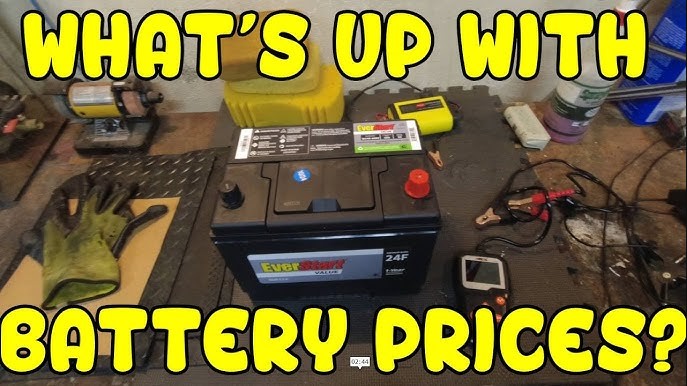
Replacing your car battery is a common maintenance task, but the cost can vary widely based on brand, type, and where you buy it. In 2026, expect to pay between $50 and $250 for a standard lead-acid battery, plus labor if installed by a professional. Understanding these costs helps you budget smarter and avoid surprise bills.
How Much Does It Cost for a Car Battery?
You’re driving down the road when suddenly nothing happens when you turn the key. The engine cranks slowly, or worse, not at all. Chances are, your car battery has reached the end of its life. It’s a frustrating moment, especially if you’re in a hurry. But before you panic, let’s talk about something more practical: how much does it actually cost to replace a car battery?
In 2026, replacing a car battery is still one of the most affordable auto repairs you can make but prices aren’t identical across the board. Whether you’re looking to do it yourself or hand it off to a mechanic, understanding the full picture of battery costs will help you make a smart, informed decision. From basic lead-acid models to advanced AGM batteries, we’ll break down every factor that affects price, so you know exactly what to expect and how to save.
What Factors Influence Car Battery Prices?
Before diving into exact numbers, it’s important to understand why car battery prices differ so much. Several key variables play a role, from the type of technology used to the brand reputation and included warranties.
Battery Type
Not all car batteries are created equal. The three main types you’ll encounter are traditional lead-acid, enhanced flooded batteries (EFB), and absorbed glass mat (AGM) batteries. Each comes with a different price tag and performance level.
– Lead-Acid Batteries: These are the most common and budget-friendly option. They’re reliable, easy to maintain, and work well in everyday vehicles. Expect to pay between $50 and $120 for these.
– Enhanced Flooded Batteries (EFB): Slightly more expensive than standard lead-acid, EFB batteries are often used in vehicles with start-stop systems. They cost around $80 to $150.
– AGM Batteries: Designed for high-performance vehicles, luxury cars, and those with advanced electronics, AGM batteries are more durable and efficient. They run from $120 up to $250+.
Brand and Quality
Just like smartphones or laptops, not all batteries are built the same. Premium brands like Optima, Diehard, Bosch, and Exide use higher-quality materials and manufacturing processes. While they cost more sometimes 20% to 40% more they also last longer and perform better under stress. In 2026, consumers are increasingly choosing value over cheapness, especially with rising electricity and fuel costs making efficiency a priority.
Vehicle Compatibility
Your car model matters too. Larger vehicles like trucks and SUVs often require larger batteries with higher cold-cranking amps (CCA). Luxury or hybrid vehicles may need specialized batteries (like lithium-ion for some EVs), which can significantly increase cost. Always check your owner’s manual or consult a parts specialist to confirm compatibility.
Average Car Battery Cost Breakdown in 2026
Now let’s get into the real-world numbers. Based on current market trends and projected inflation in 2026, here’s what you can expect:
| Battery Type | Average Retail Price | Labor Cost (Professional Install) |
|————–|———————-|———————————–|
| Lead-Acid | $50 – $120 | $10 – $30 |
| EFB | $80 – $150 | $15 – $35 |
| AGM | $120 – $250+ | $20 – $50 |
Keep in mind, big-box retailers like AutoZone, Advance Auto Parts, and O’Reilly often run promotions. Online stores such as Amazon, RockAuto, and BatteryMart frequently offer lower prices, sometimes with free shipping. For example, a top-selling Diehard Gold battery might retail at $149 locally but be available for $119 online plus installation kits for just $12.
Also, many stores now include free testing and recycling of your old battery. This service alone can save you time and hassle, especially if you’re not sure whether the battery is truly dead or if the issue lies elsewhere.
Should You Buy Online or At a Local Store?
This is a common dilemma. Buying online often means lower prices, but you lose the convenience of immediate pickup and expert advice. Local stores offer walk-in service, battery testing, and same-day installation but markup is typical.
In 2026, the trend leans toward hybrid shopping. Many drivers order online, then pick up in-store to save on shipping. Others prefer buying locally for peace of mind. If you’re comfortable with basic car maintenance, purchasing online and doing it yourself is the cheapest route but only if you have the right tools.
Pro tip: Always verify the battery fits your vehicle using an online cross-reference tool. A mismatched battery could damage your electrical system or void your warranty.
DIY vs. Professional Installation: Which Is Cheaper?
Let’s compare the two main paths:
– DIY Installation: If you’ve got a socket wrench, safety gloves, and maybe a multimeter, you can install a battery in under 15 minutes. Total cost? Just the battery no labor fees. That’s a savings of $20 to $60. But there’s a catch: improper handling can damage sensitive electronics, and some modern cars require diagnostic scans post-installation. Also, many manufacturers void battery warranties if not installed by certified technicians.
– Professional Installation: Mechanics charge $10 to $50, but they handle everything testing, removal, recycling, and setup. For busy parents, seniors, or those uncomfortable under the hood, this is worth the extra cost. Plus, many shops include a free inspection of your alternator and charging system, catching hidden issues early.
Most experts recommend professional installation for first-timers or if your car has advanced features like infotainment, keyless entry, or electric assist.
Warranty and Long-Term Value
Here’s something many overlook: battery warranties can save you hundreds in the long run. A good warranty covers replacement if the battery fails within a set period usually 2 to 5 years. For example, if your $120 battery dies after 18 months and has a 3-year warranty, the store or manufacturer replaces it free.
In 2026, extended warranties are becoming more common. Some retailers offer “lifetime” warranties (prorated), while premium brands like Optima include free replacement regardless of age if maintained properly.
Always read the fine print. Some warranties don’t cover extreme weather damage or neglect. And remember: a cheaper battery with no warranty might seem like a deal today, but if it fails in six months, you’re back to square one plus lost time and potential tow costs.
Environmental and Recycling Considerations
Old car batteries contain lead and sulfuric acid both hazardous materials. That’s why recycling is mandatory in most regions. Most auto parts stores offer free drop-off, and many include recycling in the price.
In 2026, environmental regulations are stricter than ever. Some states even offer small rebates for responsible disposal. For example, California offers a $10 credit at certain retailers when you trade in an old battery.
If you’re environmentally conscious (or want to avoid fines), always recycle through a licensed facility. Never dump a dead battery in regular trash or flush its contents.
How to Extend Your Battery’s Life?
While we’re talking cost, let’s talk prevention. A new battery can last 3 to 7 years depending on care. Here’s how to maximize lifespan and delay the next replacement:
– Keep terminals clean: Corrosion slows conductivity. Use a baking soda-water solution and wire brush annually.
– Avoid short trips: Batteries recharge during longer drives. Frequent short trips prevent full recharging.
– Turn off electronics when idle: Lights, radio, and GPS drain power. Shut them off before turning off the engine.
– Check voltage regularly: A healthy battery reads 12.6 volts or higher when off. Drop below 12.4? It’s time to test.
By investing a few minutes now, you could save $100 or more later.
Final Thoughts: Is It Worth Paying More?
So, how much does it cost for a car battery in 2026? The honest answer: it depends. But with prices ranging from $50 to over $250 for the battery alone, plus $10 to $50 for labor, you have options.
Don’t rush. Compare brands, check warranties, and consider your driving habits. A mid-range AGM battery might cost more upfront, but it could serve a high-tech car better and last longer. On the flip side, a budget lead-acid battery works fine for daily commutes in moderate climates.
Ultimately, the best choice balances cost, reliability, and peace of mind. And when the day comes, you’ll be ready because now you know exactly how much it costs to keep your car running.
Key Takeaways
- Battery Cost Range: Standard car batteries typically cost between $50 and $250 in 2026, with premium models exceeding $300.
- Installation Fees: Professional installation usually adds $10 to $50, depending on location and service provider.
- Warranty Matters: Most batteries come with a 2- to 5-year warranty choose one with longer coverage to protect your investment.
- Brand Impacts Price: Trusted brands like Optima, Diehard, and Bosch command higher prices but often offer better performance and reliability.
- Saving Tips: Shop online, compare quotes, and consider OEM vs. aftermarket options to reduce overall expense.
- Environmental Fees: Some states charge a small fee for recycling old batteries check local regulations before disposal.
- DIY vs. Pro Installation: DIY saves money but requires tools and confidence; professionals ensure proper handling and warranty validity.
Frequently Asked Questions
How long does a car battery typically last?
Average car batteries last 3 to 7 years. Factors like climate, driving habits, and maintenance affect lifespan. Cold winters and frequent short trips can shorten life.
Can I jump-start my car without replacing the battery?
Yes, a jump-start can temporarily restore power. But if the battery is old or weak, it may die again soon. Use jumper cables and another vehicle or portable charger.
Is it safe to install a car battery yourself?
It’s safe if you follow safety precautions: wear gloves, avoid sparks near the battery, and disconnect the negative terminal first. However, some modern cars require professional installation to preserve warranties.
Do I need the same battery for my car each time?
Ideally, yes. Using the correct battery ensures proper fit, voltage, and performance. Mixing types (e.g., AGM in a lead-acid slot) can cause damage or failure.
Are there any tax credits or rebates for car battery purchases?
In 2026, some states offer small recycling rebates (e.g., $10 in California). Federal incentives may apply for electric vehicle batteries. Check local programs before purchasing.
What should I do with my old battery?
Recycle it at an auto parts store or recycling center. Most retailers accept old batteries for free and ensure eco-friendly disposal. Never throw it in the trash.