High performance cars backfire due to unburnt fuel igniting within the hot exhaust system rather than the engine cylinders. While this effect is often a byproduct of aggressive tuning or race-oriented exhausts, it serves as a signature sound for enthusiasts who value power and personality in their machines.
If you have ever stood trackside or walked down a city street and heard a sharp, crackling gunshot sound coming from a sports car, you have experienced the thrill of a backfire. For many gearheads in 2026, this sound is the ultimate sign of a machine pushed to its limits.
But why do high performance cars backfire? It is a mix of engineering, fuel management, and sheer excitement. At its core, a backfire is essentially an explosion happening in the wrong place. Instead of the fuel and air mixture burning inside the combustion chamber to push the piston down, some of that energy escapes into the exhaust piping.
When that mix hits the hot metal of the exhaust or the oxygen-rich environment of an open pipe, it ignites with a violent pop. While it sounds dangerous, it is often a calculated part of a performance vehicle’s character.
Key Takeaways
- Fuel Dynamics: Backfiring occurs when excess fuel enters the exhaust manifold and ignites upon contact with high heat.
- ECU Tuning: Modern performance car backfires are often programmed via “pop and bang” maps to enhance the driving experience.
- Mechanical Health: While intentional backfiring is usually safe, unintended backfiring can signal issues like timing errors or exhaust leaks.
- Exhaust Systems: Aftermarket, high-flow exhaust systems lack the sound-dampening mufflers that usually hide these small explosions.
- Engine Load: Backfiring most frequently happens during rapid deceleration when the throttle plate closes suddenly.
- Performance Balance: A balanced tune ensures your car sounds aggressive without causing long-term damage to the catalytic converter or engine valves.
The Science Behind the Pop
To understand why do high performance cars backfire, we first need to look at how an engine breathes. In a perfect world, all the fuel injected into your engine is turned into power. However, high performance engines are designed to be greedy. They crave air and fuel to make massive horsepower, and sometimes, the timing of that consumption gets a bit messy.
The Role of Air-Fuel Ratios
Most street-legal cars run on a stoichiometric ratio, which is the perfect balance of air and fuel for efficiency. Performance cars, especially those with aftermarket tunes, often run “rich.” A rich mixture means there is more fuel than the engine can burn in a fraction of a second.
When you lift your foot off the accelerator, the engine is still spinning fast, but the throttle plate snaps shut. This momentary imbalance creates a surplus of unburnt fuel that flows directly into the exhaust headers.
Heat and Velocity
Exhaust systems in performance cars get incredibly hot. We are talking about temperatures that can make metal glow red. When that leftover fuel cloud hits the hot exhaust pipe, it doesn’t need a spark plug to ignite. The sheer heat is enough to set it off. Because the exhaust is essentially a long tube, this ignition creates a pressure wave that travels back through the pipes, resulting in that iconic popping noise we love to hear.
ECU Tuning and Modern “Pop and Bang” Maps
In 2026, the technology behind these sounds has become a digital art form. Many owners choose to install “pop and bang” maps on their Electronic Control Units (ECU). Unlike the backfires of the past that were accidental, these are programmed by software experts to provide an auditory thrill.
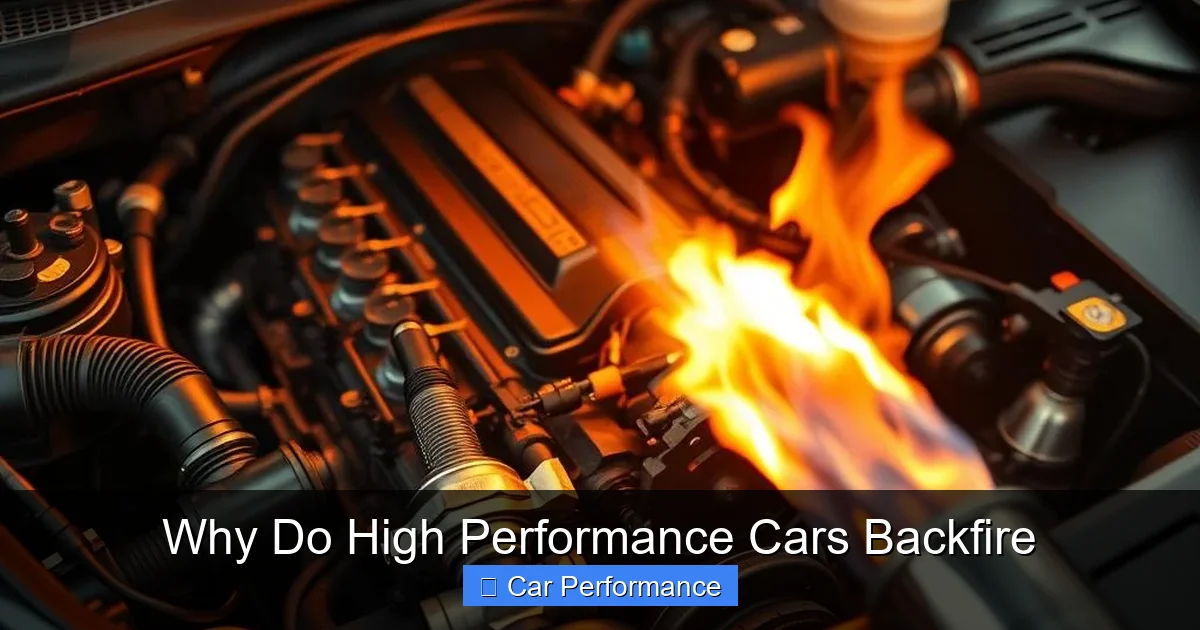
Visual guide about Why Do High Performance Cars Backfire
Image source: shstreetcar.com
How Software Mimics Performance
A tuner can adjust the ignition timing of your car. By retarding the timing or delaying the moment the spark plug fires they ensure the combustion process is still happening as the exhaust valves are opening. This pushes the burning flame front into the exhaust system intentionally. It is a controlled, harmless way to replicate the sound of a race car without actually pushing the engine to a breaking point.
Is It Just for Show?
While some people argue that these tunes are purely for vanity, they do show off the capabilities of the engine. A car that is capable of producing these pops usually has a high-performance exhaust system with minimal restrictions. It tells the world that the engine is built for flow and power, not just for quiet, eco-friendly commuting.
Impact on Your Vehicle Components
A common question arises: if you like the sound, will it break your car? The answer depends on how the backfiring is achieved. If it is a natural byproduct of a high-revving race engine, your parts are likely built to handle the stress. However, there are some components that take a beating when things get “poppy.”
The Catalytic Converter
The catalytic converter is designed to clean up emissions. It does this by using precious metals to neutralize gases. If you have excessive unburnt fuel constantly hitting the converter, it can overheat. Over time, this can melt the internal honeycomb structure of the converter, leading to a clogged exhaust and a loss of power. If you plan on running an aggressive “pop” tune, many enthusiasts choose to upgrade to a high-flow cat or a decat pipe to prevent internal damage.
Valves and Turbochargers
Extreme backfiring can put stress on the exhaust valves. Because the combustion is bleeding out into the exhaust path, the valves stay hotter for longer. Similarly, if your car is turbocharged, constant backfiring can cause “turbo flutter” or put extra stress on the turbine wheel. If you are tuning your car, always ensure the tuner knows your specific hardware setup so they don’t push the limits too far.
Exhaust System Architecture
You might notice that a stock sedan rarely backfires, while a track-prepped sports car does it constantly. This has as much to do with the exhaust piping as it does with the engine. Stock cars are fitted with resonators and heavy mufflers that absorb sound waves. These parts are excellent at hiding the “pops” of an engine.
Open Flow Systems
When you swap to an aftermarket exhaust, you are usually removing those sound-deadening chambers. A straight-pipe or a high-flow muffler allows the sound of the combustion process to reach your ears directly. When a backfire occurs, the sound is amplified because there is nothing in the way to dampen the energy of the explosion.
Material Matters
Titanium and stainless steel exhaust systems have different resonance frequencies. This is why two cars with the same engine might sound completely different. A titanium system, being thinner and lighter, tends to produce a sharper, higher-pitched “crack” when a backfire occurs, whereas stainless steel often offers a deeper, throatier “thud.”
Practical Tips for Enthusiasts
If you love the sound of a backfiring car, you should aim to achieve it in a way that is sustainable for your vehicle. Here are a few tips for those looking to get that performance sound safely.
- Get a Professional Tune: Never rely on cheap, generic software files. A professional tuner will map your fuel and timing specific to your car’s hardware to ensure the engine doesn’t run too lean or too rich.
- Monitor Your Temps: If you are driving hard, keep an eye on your exhaust gas temperatures. If your gauges show the exhaust is consistently running too hot, back off.
- Upgrade Your Exhaust: Invest in a quality system designed for high-performance use. It will handle the heat better than the stock unit.
- Maintain Regular Service: A well-maintained engine is less likely to have “random” backfires caused by misfiring spark plugs or bad fuel injectors. Only intentional backfires are “good” backfires.
The Future of Performance Sounds
Looking ahead to late 2026 and beyond, the way we perceive car sounds is changing. As electric vehicles dominate the market, the traditional mechanical backfire is becoming a rare commodity.
This makes the internal combustion engine (ICE) experience even more valuable. For many, the pop of a high-performance exhaust is a sensory connection to the mechanics of the machine, a physical reminder that an explosion is driving the wheels.
We are seeing more manufacturers incorporate “active exhaust” systems that allow drivers to toggle between quiet and aggressive modes. This provides the best of both worlds: a civil vehicle for the daily commute and a fire-breathing, popping monster for the weekend mountain run. It is the ultimate evolution of the performance car.
In conclusion, the backfiring of a high-performance car is a fascinating blend of raw physics and engineering precision. It is the sound of fuel, fire, and air working in a beautiful, chaotic dance.
Whether it is a natural result of a high-strung race engine or a carefully tuned feature on a modern street car, that sharp crack remains one of the most recognizable and thrilling sounds in the automotive world. As long as you respect the engineering behind it and keep your maintenance in check, there is no reason not to enjoy the music your engine makes.
Frequently Asked Questions
Is backfiring bad for my engine?
If the backfiring is caused by an intentional tune, it is generally safe as long as the engine is healthy. However, if it happens unexpectedly, it could indicate timing issues or fuel system problems that need immediate attention.
Why do cars backfire when I let off the gas?
When you lift off the throttle, the engine stops receiving air, but residual fuel remains in the combustion chamber and exhaust. This creates a rich mixture that ignites in the hot exhaust pipe, creating the popping sound.
Can I make my stock car backfire?
You can, but it usually requires an aftermarket ECU tune and a less restrictive exhaust system. A stock exhaust is designed to muffle these sounds, so you likely won’t hear them unless you modify the car’s hardware.
Does backfiring hurt the turbocharger?
Excessive backfiring can put extra thermal stress on a turbocharger’s turbine wheel. It is important to have a professional tune that keeps exhaust gas temperatures within a safe range to protect your components.
What is the difference between a backfire and an afterfire?
Technically, a “backfire” occurs when combustion happens in the intake manifold, while the “pops” we hear from the tailpipe are called “afterfire.” Most people use the terms interchangeably, but they refer to two different combustion locations.
Will a performance tune void my warranty?
Yes, in most cases, flashing your ECU with a performance map will void the powertrain warranty offered by the manufacturer. Always check your service agreement before modifying the engine computer software.