
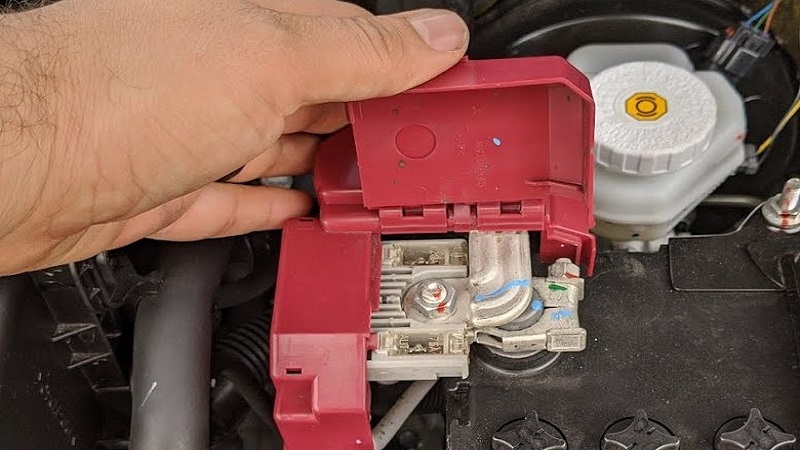
Yes, red is almost always the positive terminal on a car battery. Identifying the correct polarity is crucial for your safety and preventing expensive electrical damage to your vehicle. Always double-check labels before making any connections.
If you have ever popped the hood of your car to jump-start a dead battery, you have probably stared at the terminals and felt a brief moment of hesitation. You see a red cable and a black cable, and your brain immediately asks: is red positive on a battery? It is a fundamental question that every driver should be able to answer with absolute confidence. Getting this right is the difference between a smooth start and a very expensive mechanical headache.
In the world of automotive mechanics, consistency is key to keeping us safe. Manufacturers follow strict color-coding rules to ensure that no matter what car you drive, the basic electrical setup remains the same. Understanding these visual cues is part of being a prepared driver in 2026. Whether you are dealing with a standard lead-acid battery or a modern high-performance system, the basics of polarity remain your best friend.
Key Takeaways
- Universal Standards: Red color coding is the global standard for positive terminals in automotive electrical systems.
- Look for Symbols: Always look for the plus (+) sign stamped onto the battery case, as colors can sometimes fade or be obscured.
- Safety First: Never connect a charger or jumper cables in the wrong order, as this can cause sparks or battery explosions.
- Size Matters: Often, the positive terminal post is slightly larger in diameter than the negative terminal to prevent accidental misconnection.
- Consult the Manual: If you are unsure, your car owner’s manual will provide a clear diagram of your specific battery layout.
- Corrosion Check: Ensure your terminals are clean and free of white or blue crust, which can hide color indicators and impede current flow.
The Universal Language of Battery Polarity
The system of using red for positive and black for negative is not just a suggestion; it is an industry-wide standard. By using these distinct colors, engineers help prevent common mistakes that lead to electrical shorts. When you are asking if red is positive on a battery, the answer is a resounding yes, and it is a standard that has saved countless circuits from being fried over the decades.
Why Red is the Chosen Color
Colors like red are high-visibility choices. In any emergency situation, such as a dead battery on the side of a dark road, you need to be able to identify the connection points immediately. Red stands out against the dark plastic of the engine bay. It acts as a warning or a marker for the “hot” side of the circuit, which carries the electrical current from the battery to your car’s vital components.
Understanding the Black Terminal
If red is the positive side, black is its partner, the negative terminal. The negative terminal is connected to the chassis or the “ground” of the vehicle. This completes the circuit. Because the entire metal frame of your car essentially acts as a return path for electricity, the negative terminal is often thought of as the “ground.” Keeping these two distinct is what keeps your car’s electronics from experiencing a catastrophic surge.
How to Verify Polarity Beyond Just Color?
While color is a great starting point, you should never rely on it alone. Over time, engine heat, oil leaks, and road grime can change the appearance of wires. Sometimes, a red cable might look dark, or a black cable might be covered in dust. You need to look for secondary indicators to confirm your connections are safe.
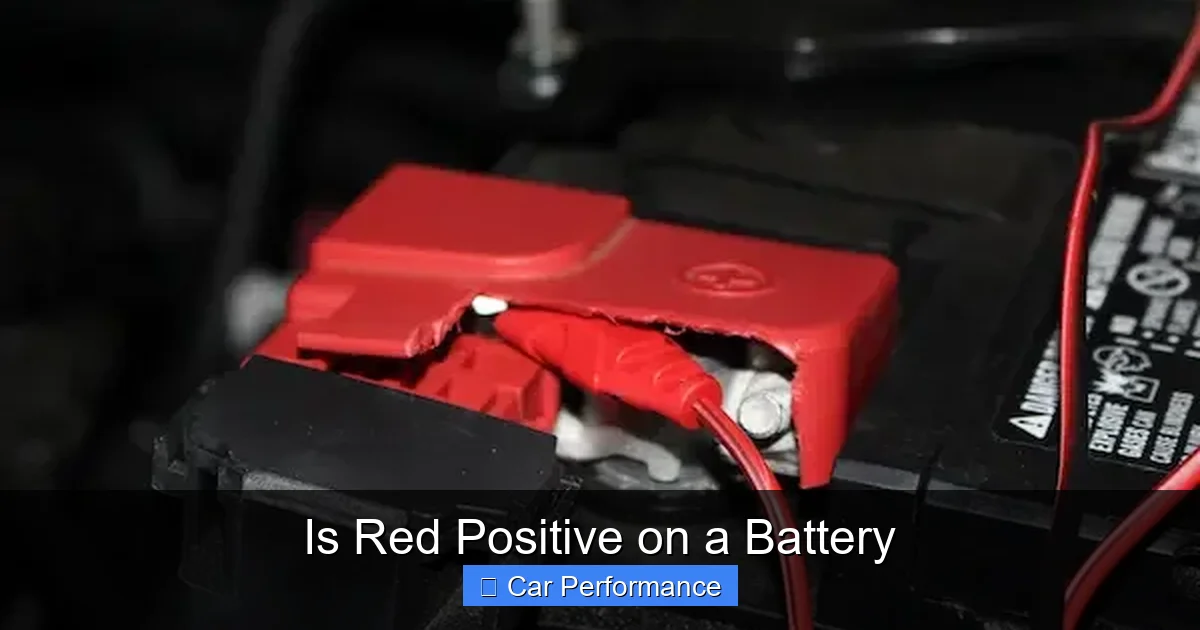
Visual guide about Is Red Positive on a Battery
Image source: ik.imagekit.io
The Stamped Symbols
Every reputable battery manufacturer stamps a plus (+) sign for the positive terminal and a minus (-) sign for the negative terminal directly onto the plastic case. These symbols are usually located right next to the metal posts. If you are ever in doubt, wipe away the dust near the posts and search for these raised symbols. They are the ultimate truth-tellers of your battery’s layout.
Checking Terminal Diameter
Believe it or not, physical size is another safety feature. In many vehicles, the positive terminal post is intentionally designed to be slightly thicker or larger in diameter than the negative post. This is a “fool-proof” design intended to stop someone from accidentally sliding the wrong connector onto the wrong post. If your cables seem like they only fit snugly on one specific side, listen to that mechanical feedback.
Safe Procedures for Jump Starting
Once you are certain that red is positive on a battery, you can proceed with confidence. However, the order in which you connect those cables is just as important as identifying which is which. A safe jump-start is a routine task, but it requires a methodical approach to avoid electrical spikes.
Connecting the Cables
Always connect the red cable to the positive terminal of the dead battery first. Then, connect the other end of that same red cable to the positive terminal of the booster battery. Next, connect the black cable to the negative terminal of the booster battery.
Finally, connect the other black cable to a grounded metal part of the dead car not directly to the dead battery if you can avoid it. This prevents a spark from occurring right next to the battery, where hydrogen gas could potentially be present.
Common Mistakes to Avoid
The most common error is touching the two clamps together while they are connected to power. This creates an instant short circuit that can melt your cables or even damage your car’s computer. Always keep your clamps separated until you are ready to attach them. If you are ever unsure, take a deep breath and re-read your owner’s manual. There is no shame in double-checking your work when dealing with high-amperage systems.
Maintaining Battery Terminals in 2026
Modern vehicles in 2026 are more dependent on stable power than ever before. With advanced infotainment systems, driver-assist sensors, and constant connectivity, your battery is under more strain. Proper maintenance ensures that those red and black connections remain solid and conductive.
Dealing with Corrosion
Corrosion often appears as a white or blue powdery substance around the terminals. This is usually caused by leaking battery gases reacting with the metal. Over time, this buildup acts as an insulator, preventing electricity from flowing freely. If you see this buildup, disconnect the cables negative first, then positive and clean the terminals with a baking soda and water mixture. Scrub it gently with a wire brush until the metal shines.
Tightness and Security
A loose cable is a recipe for a car that won’t start. Vibration from the engine can wiggle connections loose over thousands of miles. Once a month, give your terminal clamps a gentle tug. If they wiggle, tighten the nut or bolt holding them in place. A firm connection ensures that your car gets the steady stream of power it needs to function at peak performance.
What Happens if You Reverse the Polarity?
What if you accidentally ignore the labels and connect red to negative? This is known as “reverse polarity,” and it is something you want to avoid at all costs. Modern cars are protected by fuses, but those fuses might not react fast enough to save delicate computer modules. You could blow your alternator, fry your engine control unit, or damage your car’s wiring harness.
The Signs of a Misconnection
If you touch the cables to the wrong terminals, you might hear a loud pop, see sparks, or smell burning plastic. In some cases, the battery might even begin to hiss or bulge. If you suspect you have reversed the polarity, disconnect the cables immediately. Do not try to start the car. Once disconnected, inspect your fuses and consult a professional technician to ensure the electrical system is still safe to operate.
Protecting Your Electronics
To avoid this, some modern jump starters or battery chargers feature “reverse polarity protection.” These devices will emit an alarm or simply refuse to output power if they detect you have hooked them up incorrectly. In 2026, investing in a high-quality smart charger is a great way to add an extra layer of safety to your vehicle maintenance routine.
Conclusion
Is red positive on a battery? By now, you know the answer is a firm yes. Red is the standard color for the positive terminal, designed to make your maintenance tasks safer and more intuitive. While colors are helpful, always double-check the symbols on the battery case to be absolutely certain before you make a connection.
By keeping your terminals clean, ensuring your connections are tight, and following the correct order for jump-starting, you can keep your vehicle running reliably for years to come.
Take pride in looking after your car; a little bit of knowledge goes a long way in preventing unnecessary repairs. Stay safe on the road, keep your connections clear, and enjoy the peace of mind that comes with knowing exactly how your car’s heart keeps beating.
Frequently Asked Questions
What should I do if I cannot find the red and black colors on my battery?
If the colors have faded, look for the embossed plus (+) and minus (-) symbols directly on the battery casing. You can also look at the terminal post sizes, as the positive post is typically larger than the negative post.
Is it possible for a car battery to have the positive terminal on the left or right?
Yes, batteries come in different “group sizes” and configurations, meaning the positive terminal can be on either side depending on the specific model. Always check the labels on the top of the battery to identify polarity before connecting cables.
What happens if I connect the negative cable to the positive terminal?
Connecting the cables in reverse is called reverse polarity and can cause severe electrical damage, blow fuses, and potentially cause a fire or battery explosion. Never attempt to start the engine if you realize you have connected the cables incorrectly.
Do all cars use the same color coding for their battery cables?
Yes, red is the universal standard for positive and black is the standard for negative in almost all automotive applications worldwide. This standardization is designed to keep drivers safe and prevent accidental damage during maintenance.
Why is there a white crust on my battery terminals?
The white or blue crust is corrosion, which occurs when sulfuric acid gases from the battery react with the metal terminals. You can safely clean this off with a mixture of baking soda and water using a wire brush.
Can I use a multimeter to check which terminal is positive?
Absolutely, a multimeter is the safest way to confirm polarity if you are unsure. When the red probe touches the positive terminal and the black probe touches the negative, the display will show a positive voltage reading.