
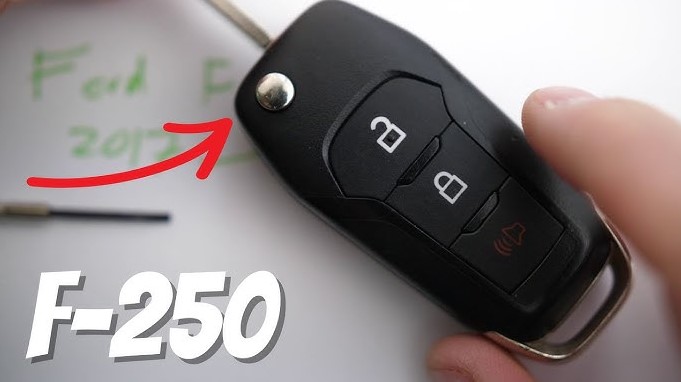
Changing your Ford key fob battery is simple if you follow these steps: Locate the battery compartment (varies by model), replace the old CR2032 or equivalent with a new one, and test functionality. This guide ensures a smooth process without damaging your fob.
This is a comprehensive guide about how to change battery in ford key fob.
Key Takeaways
- Identify Battery Type: Most Ford key fobs use a CR2032 coin cell battery, but check your owner’s manual for exceptions.
- Locate Compartment: The back of the fob may have a screw cover or slide mechanism—models vary widely.
- Handle Carefully: Avoid bending or touching battery terminals to prevent corrosion.
- Test Functionality: After replacing, press buttons to ensure locking/unlocking works.
- Dispose Responsibly: Recycle old batteries at designated centers; never toss them in regular trash.
- Troubleshoot Issues: If the fob fails after replacement, clean contacts or check polarity alignment.
How to Change Battery in Ford Key Fob?
Your Ford key fob might seem like a small gadget, but it’s essential for modern car convenience remote locking/unlocking, trunk release, and even starting newer models. But what happens when it stops working? Often, the culprit is a dead battery. Replacing it yourself saves money and keeps you on the go.
By 2026, Ford has released updated key fob designs across models like the Mustang Mach-E, F-150 Lightning, and Escape Hybrid. While the core process remains similar, slight differences exist depending on the year and trim level. This guide breaks down everything you need to know, from tools to troubleshooting.
Tools You’ll Need
Before diving in, gather these items:
- A fresh CR2032 battery (or equivalent; check your manual).
- Phillips head screwdriver (if your fob uses screws).
- Flathead tool (for slide mechanisms).
- Lighter or hair dryer (to soften adhesive seals).
- Clean cloth (for wiping contacts).
Pro tip: Keep spare batteries handy key fob batteries can drain faster than expected due to frequent use or extreme temperatures.
Identify Your Model’s Battery Compartment
Common Ford Key Fob Designs
- Screw-Covered Back: Common in older models (e.g., 2010–2022). Use a screwdriver to remove two small screws.
- Slide Mechanism: Newer models (e.g., 2024+ Ford EVs) often have a hidden slide under a decorative plate.
- Adhesive Seal: Some luxury trims (like Lincoln) use a sealed compartment gentle heat helps loosen adhesive.
Example: On a 2025 Ford F-150 Lightning, slide off the back panel with your fingernail, revealing the battery slot.
Removing the Old Battery
Step-by-Step Replacement
- Open the Compartment:
- If screws are present, unscrew both and set aside.
- For slides, gently push or pry until it pops open.
- Remove the Battery:Use tweezers or fingers to lift out the old battery. Note its orientation (+/- side facing up).
- Clean Contacts:Wipe the metal contacts inside the fob with a dry cloth to remove dust or residue.
Warning: Don’t force the battery out – it could bend pins inside the fob, causing malfunctions.
Installing the New Battery
Proper Placement Matters
- Orientation: Ensure the new battery’s “+” side matches the old one’s position.
- Grip: Press firmly until seated no loose connections!
- Reassemble: Snap the cover back on (if applicable) or tighten screws securely.
Tip: If your fob doesn’t power on immediately, double-check polarity. Misaligned batteries can cause short circuits.
Testing the Key Fob
Post-Replacement Checks
- Lock/Unlock Test: Press the button to confirm doors respond.
- Trunk Release: Try opening the trunk remotely (if equipped).
- Diagnostic Light: Some fobs flash LED lights when functional observe this as feedback.
If issues persist:
- Reinsert the battery and re-test.
- Check for debris blocking contacts.
- Update your vehicle’s software (via FordPass app).
Troubleshooting Common Issues
Why Isn’t My Fob Working?
- No Power: Battery not inserted correctly or dead swap it out.
- Inconsistent Response: Weak signal from low battery; replace ASAP.
- Dead Fob Despite New Battery: Reset by removing the battery for 1 minute, then reinsert.
- Corrosion: Clean contacts with a cotton swab dipped in rubbing alcohol.
For persistent problems, visit a dealership some fobs require reprogramming after battery changes.
Eco-Friendly Disposal
Don’t Throw Away Old Batteries!
- Local Recycling Centers: Many auto shops offer battery recycling.
- Retailer Programs: Stores like Best Buy and Home Depot accept used batteries.
- Mail-Back Options: Companies like Call2Recycle provide prepaid envelopes.
Conclusion
Changing your Ford key fob battery is a quick task that ensures uninterrupted access to your car. With just a few tools and patience, you can avoid dealership fees and keep your vehicle running smoothly. Remember:
- Always match the correct battery type.
- Handle components gently to avoid damage.
- Recycle responsibly to protect the environment.
Now you’re ready to tackle this DIY project with confidence! Share your experience in the comments below we’d love to hear how it went.
FAQs
How long does a Ford key fob battery last?
A CR2032 typically lasts 1–3 years, depending on usage frequency and environmental factors (e.g., cold weather drains it faster).
Can I use any battery brand?
Stick to reputable brands like Energizer or Panasonic. Cheap imitations may leak or fail prematurely.
What if my fob still won’t work after battery replacement?
Try reprogramming the fob via the vehicle’s settings menu or contact Ford Support for assistance.
Do all Ford key fobs have the same battery compartment design?
No, designs vary by model year and trim. Always consult your owner’s manual for specifics.
Is it safe to open the key fob myself?
Yes, but avoid excessive force. If unsure, take it to a professional to prevent damage.
Where can I buy a replacement battery?
Auto parts stores (O’Reilly, Advance Auto), Amazon, or Walmart carry compatible batteries.