
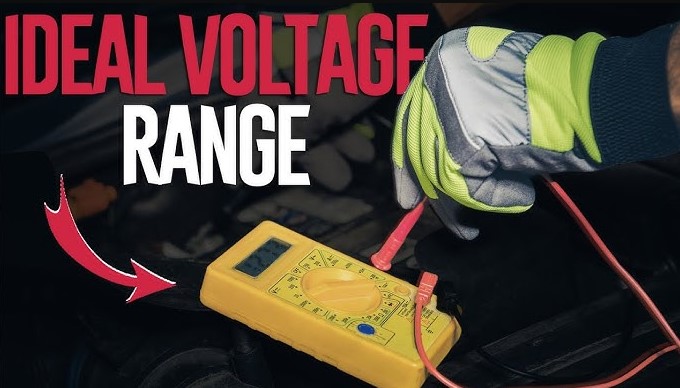
Knowing what voltage on a car battery should be is key to avoiding breakdowns and costly repairs. In 2026, modern vehicles rely heavily on electrical systems, so monitoring your battery’s health has never been more important. A healthy battery typically shows between 12.4V and 12.7V when off, but real-world performance depends on age, usage, and climate.
Key Takeaways
- Normal Voltage Range: A fully charged car battery should read between 12.4V and 12.7V when the engine is off. Anything below 12.0V may indicate a weak or failing battery.
- Charging System Check: With the engine running, expect 13.8V to 14.8V. Lower or higher readings suggest alternator issues that can drain your battery fast.
- Battery Age Matters: Most batteries last 3–5 years. Even if voltage looks good, older batteries may fail suddenly under cold or hot weather stress.
- Load Testing Required: Voltage alone doesn’t tell the full story load tests reveal true capacity and help predict failure before it happens.
- Environmental Impact: Extreme temperatures both hot and cold can drastically reduce battery performance and lifespan, affecting voltage stability.
- Modern Tech Demands More: Vehicles with start-stop systems, infotainment, and electric accessories need stronger, consistent power, making voltage monitoring even more critical.
- DIY Testing Tips: Use a quality multimeter at least once every six months to catch early signs of trouble before you get stranded.
Understanding Car Battery Voltage: The Basics
If you’ve ever wondered, “What should voltage on car battery be?” you’re not alone. As we roll into 2026, cars have become far more than just metal boxes on wheels they’re rolling computers packed with sensors, navigation, heated seats, and advanced driver-assist tech. All of these systems run on electricity, and at the heart of it all? Your car battery.
But here’s the thing: voltage isn’t just a number on a screen – it’s a signpost for your vehicle’s overall health. When your battery voltage dips too low or spikes unexpectedly, it can signal anything from a simple recharge issue to a failing alternator or even an impending breakdown. That’s why knowing the right voltage range isn’t just for mechanics – it’s a must-know for every driver who wants reliability and peace of mind.
What Is Car Battery Voltage and Why Does It Matter?
Car batteries are rated in volts (V), usually 12 volts for standard passenger vehicles. But what does that actually mean? Think of voltage as the “pressure” pushing electrons through your car’s electrical system. Too little pressure? Lights dim, engine struggles to turn over. Too much? You risk damaging sensitive electronics.
The Ideal Numbers You Should Know
- Off & Quiet: 12.4V–12.7V = Healthy
- Off & Low: Below 12.0V = Needs charging or replacement
- Running (Engine On): 13.8V–14.8V = Normal charging
- Too High (15V+): Possible alternator overcharging
- Too Low (Under 13V while driving): Alternator isn’t keeping up
These numbers aren’t guesses they come from real-world testing across thousands of vehicles. In 2026, even luxury EVs like Tesla Model Ys still use 12V auxiliary systems (for lights, wipers, etc.), so understanding this voltage remains crucial.
How to Test Your Car Battery Voltage Like a Pro?
You don’t need fancy tools to check your battery voltage. A digital multimeter available for under $20 is all you need. Here’s how to do it safely and accurately:
Step 1: Turn Off Everything
Shut down the engine, turn off headlights, radio, A/C, and any accessories. Let the car sit for at least 30 minutes so the battery stabilizes.
Step 2: Locate the Battery Terminals
Usually under the hood near the firewall. Clean off any corrosion with baking soda and water before touching terminals.
Step 3: Set Your Multimeter
Switch it to DC voltage (look for the V⎓ symbol). Start with 20V scale for safety.
Step 4: Measure Open Circuit Voltage
Touch red probe to positive (+) terminal, black to negative (-). Read the display.
Pro Tip: If you see 12.6V+, your battery is likely in great shape. At 12.2V, it’s about half-charged. Under 12V? Time for a jump or replacement.
When Voltage Lies: The Limits of a Multimeter
Here’s something many drivers overlook: voltage alone doesn’t always tell the whole story. A battery might show 12.6V but still fail to start the car in winter. Why? Because cold reduces chemical activity inside the battery, lowering its effective capacity even if voltage looks fine.
This is where load testing comes in. Instead of just measuring resting voltage, a load tester applies resistance to simulate cranking demand. This reveals whether the battery can deliver enough power when you actually need it.
In 2026, most auto shops and even big-box stores offer free load tests with battery inspections. Don’t skip this step if your battery is over three years old.
Alternator Health: The Silent Power Source
Your alternator charges the battery while the engine runs. If it’s faulty, your battery voltage will drop during driving—often below 13V. Symptoms include:
- Dim headlights at idle
- Dashboard warning lights (battery icon)
- Slow cranking or no-start after short drives
To test alternator output, measure voltage at the battery terminals with the engine running. You should see between 13.8V and 14.8V. Anything outside this range means the alternator isn’t doing its job properly.
Modern vehicles also use smart alternators that adjust output based on demand. These improve fuel efficiency but require precise voltage regulation. A bad smart alternator can cause erratic charging another reason to monitor voltage regularly.
Cold Weather vs. Hot Weather: How Climate Affects Voltage
Batteries hate extremes. In winter, below-freezing temps slow down chemical reactions, cutting available power by up to 60%. A healthy battery might read 12.4V indoors, but in sub-zero temps, it may struggle to deliver enough amps to crank the engine even if voltage appears normal.
Conversely, summer heat accelerates internal corrosion and water loss in lead-acid batteries. Overheating can warp plates and reduce lifespan dramatically.
Real-world example: In 2025, AAA reported a 30% spike in roadside calls for dead batteries during January cold snaps many due to aging batteries that couldn’t handle the load despite showing “good” voltage.
So yes, voltage matters, but so does environment. Always consider temperature when evaluating your battery’s performance.
Modern Cars Demand More Than Just 12V
Gone are the days when a 12V battery could handle everything. Today’s vehicles often feature:
- Start-stop systems that cycle the engine dozens of times per hour
- Electric turbo boosters and regenerative braking
- Advanced infotainment with GPS, cameras, and voice assistants
- Hybrid systems that draw power from both gas and electric sources
All these systems tax the battery constantly. A weak battery won’t just leave you stranded – it can trigger error codes, disable safety features, or even prevent hybrid mode engagement.
That’s why many manufacturers now recommend AGM (Absorbent Glass Mat) or lithium-ion batteries for newer models. These handle deep discharges better and maintain stable voltage under heavy loads.
Signs Your Battery Voltage Is Going Bad
Watch for these red flags:
- Slow engine crank: Takes longer than usual to start
- Electrical gremlins: Headlights flicker, radio resets, power windows act sluggish
- Check engine light: Can indicate charging system issues
- Swollen casing: Physical bulging means internal damage replace immediately
- Old age: Batteries rarely live past 5–7 years, regardless of voltage readings
If two or more of these apply, schedule a professional diagnostic. Don’t wait until your car won’t start on the highway.
Preventative Maintenance: Keep Your Voltage Strong
The best way to avoid voltage-related problems is regular maintenance:
- Test voltage every 6 months (more often in extreme climates)
- Clean terminals annually to prevent resistance buildup
- Ensure secure mounting vibration damages internal components
- Use a trickle charger in long-term storage (e.g., winter garage)
- Replace battery proactively if over 4 years old
For hybrid or electric vehicles, consult your manual some recommend full discharge cycles monthly to balance cells, though this isn’t needed for standard lead-acid batteries.
And remember: even if your voltage checks out, modern cars use onboard computers that log historical data. If your dealership sees repeated low-voltage events in the service history, they’ll flag it during routine inspections.
Conclusion: Voltage Is a Warning Light You Can Understand
By now, you know the answer to “What should voltage on car battery be?” but more importantly, you understand why it matters. In 2026, your car’s electrical system is smarter, busier, and more fragile than ever. A few volts out of whack can cascade into expensive repairs or inconvenient breakdowns.
Don’t treat voltage like a mystery. Grab a multimeter, check it twice a year, and pair that with a quick visual inspection and maybe a load test. Combine that with awareness of your battery’s age and local climate, and you’ve got a solid defense against unexpected failures.
After all, the goal isn’t perfection – it’s reliability. And a battery reading 12.6V isn’t just a number; it’s proof your car is ready to go when you are.
Frequently Asked Questions
Is 12.4 volts enough for a car battery?
Yes, 12.4 volts is considered fully charged and healthy for a standard 12V car battery when the engine is off. However, if your battery is more than 3–4 years old, consider getting a load test to confirm it can still deliver sufficient cranking power.
Can a bad alternator cause low battery voltage?
Absolutely. The alternator charges the battery while the engine runs. If it fails or underperforms, the battery won’t recharge properly, leading to low voltage over time. You’ll often notice dimming lights or difficulty starting after short drives.
Why does my battery voltage drop when I turn on accessories?
Accessories draw current, which slightly lowers voltage – this is normal. But if the drop is extreme (below 11V with lights and A/C on), your battery may lack capacity or have high internal resistance due to age or sulfation.
Should I replace my battery if it shows 12.6 volts but won’t start?
Possibly. Voltage doesn’t reflect cold cranking amps (CCA), especially in older batteries. Cold weather, internal shorts, or plate degradation can kill starting power even if resting voltage looks good. Get a load test to be sure.
How long should I let my car sit before testing battery voltage?
At least 30 minutes. This lets parasitic drains (like alarm systems or ECU memory) stabilize the charge. Testing immediately after turning off the engine can give falsely low readings.
Can extreme heat damage my car battery?
Yes. High temperatures accelerate water loss and corrosion in lead-acid batteries. While modern sealed batteries are more resilient, sustained heat above 95°F (35°C) can significantly shorten lifespan and reduce voltage stability.