
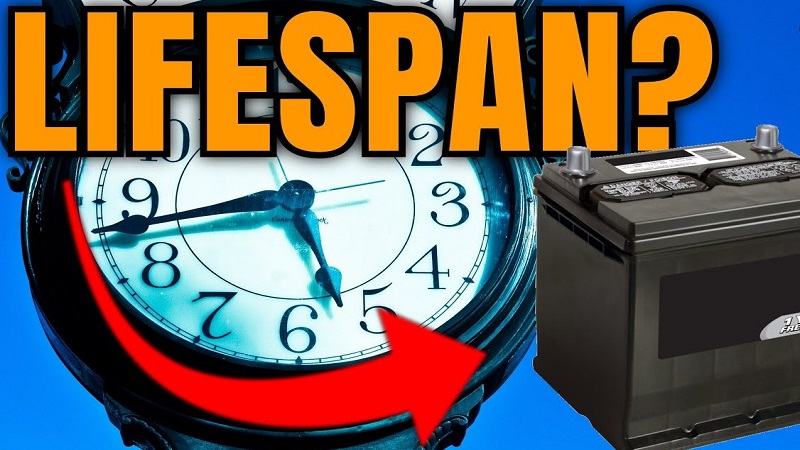
Most standard car batteries last between three to five years, depending on climate, driving habits, and maintenance. By monitoring your electrical system and avoiding deep discharges, you can maximize your battery’s lifespan and avoid being stranded.
Have you ever turned your key or pressed that start button only to hear a faint click? We have all been there. It is the universal signal that your morning is about to get much more complicated.
One of the most common questions we hear at the service counter in 2026 is, “How long do car batteries last?” The short answer is usually three to five years, but the real answer involves a bit more nuance regarding how you treat your car.
Your battery is the heart of your vehicle’s electrical system. Without it, your car is essentially a very expensive paperweight. Understanding the factors that dictate how long do car batteries last can help you save money and keep your vehicle reliable.
Whether you are driving a traditional internal combustion engine or the latest hybrid, knowing your battery’s health is a crucial part of being a savvy car owner.
Key Takeaways
- Average Lifespan: Most vehicle batteries provide reliable power for three to five years before requiring a replacement.
- Climate Impact: Extreme heat is actually more damaging to batteries than extreme cold, as it accelerates internal corrosion.
- Driving Patterns: Short trips prevent the alternator from fully recharging the battery, leading to premature failure.
- Maintenance Matters: Keeping terminals clean and ensuring the battery is securely mounted prevents vibration damage and poor connections.
- Technological Shifts: Modern vehicles with Start-Stop technology require specialized AGM batteries that have different maintenance needs.
- Warning Signs: Dim headlights, slow engine crank, and dashboard warning lights are clear indicators that your battery is failing.
The Science of Battery Lifespan
At its core, a car battery is a chemical factory. It works through a lead-acid reaction that produces electrons. Over time, this chemical process becomes less efficient. The lead plates inside start to degrade, and the electrolyte solution loses its ability to hold a charge effectively. This natural aging process is why even the most well-maintained battery will eventually need to be replaced.
The Role of Charging Cycles
Think of your battery like a bank account. Every time you start your car, you make a “withdrawal.” Your alternator acts like a deposit, refilling that energy while you drive. If you only take short trips, you are constantly making withdrawals without ever letting the bank balance reach its full potential. Over time, this “under-charging” causes sulfation—the buildup of lead sulfate crystals on the plates—which permanently reduces your battery’s capacity.
Heat vs. Cold: The Hidden Enemy
Many drivers blame the winter for killing their batteries, but the truth is that the damage often happens during the heat of summer. High temperatures cause the fluid inside the battery to evaporate and accelerate the rate of internal corrosion. When the first cold snap hits, a battery that was already weakened by the summer heat finally gives out because the engine oil is thicker and harder to turn over in cold weather.
Signs Your Battery Is Nearing the End
You do not need a degree in electrical engineering to know when you have a problem. Your car will usually give you several warning signs long before it fails completely. Being observant is the best way to avoid a dead battery emergency.

Slow Engine Crank
When you press the start button, the engine should roar to life immediately. If you hear a sluggish, labored “rur-rur-rur” sound before the engine catches, that is a classic sign of low voltage. Do not wait for the “click” next time; get it tested immediately.
Electrical Quirks
Modern vehicles are packed with electronics. If you notice your power windows moving slower than usual, or your dashboard lights flickering when you accelerate, your battery might be struggling to maintain a steady voltage. These components rely on a consistent power supply, and a dying battery cannot always provide it.
The Dashboard Warning Light
It sounds obvious, but many people ignore the battery icon on their dashboard. If that light stays on while the engine is running, it could indicate a problem with the battery itself or the charging system. Ignoring this is a recipe for a roadside breakdown.
Maintenance Tips to Extend Battery Life
If you want to know how long do car batteries last, you should also ask how you can make yours last longer. A little bit of effort goes a long way in ensuring you hit that five-year mark or even exceed it.
Keep the Terminals Clean
Corrosion often builds up around the battery terminals as a white or blue-green powdery substance. This buildup acts as an insulator, preventing electricity from flowing freely from the battery to the car. A simple wire brush and a mixture of baking soda and water can clean these off and ensure a strong connection.
Secure Your Battery
Vibration is surprisingly damaging to batteries. If your battery is not held down securely by its bracket, constant bouncing while you drive can damage the internal components. Check your battery hold-down clamp regularly to make sure it is tight and secure.
Avoid Parasitic Drains
In 2026, we have more gadgets than ever. If you have devices plugged into your USB ports or 12V outlets when the car is off, they might be drawing small amounts of power. While modern cars are smart enough to turn these off, it is still best practice to unplug electronics if you are going to leave the car parked for an extended period.
Driving Habits That Matter
Your daily commute has a massive impact on your battery’s longevity. If your daily drive consists of a five-minute trip to the store and back, your alternator never gets enough time to recharge the battery to 100%. This is the number one cause of premature battery death for urban drivers.
The “Long Drive” Rule
Try to take your car out for a longer drive at least 20 to 30 minutes once a week. This allows the alternator enough time to properly recharge the battery and clears out the sulfate crystals that accumulate during short trips. Think of it as a weekly “recharge” session for your vehicle.
Temperature Management
If you live in an area with extreme weather, try to park in a garage when possible. Keeping the battery closer to room temperature prevents the extremes of heat and cold from stressing the chemicals inside. In 2026, many newer vehicles have battery thermal management systems, but they still work best when the ambient temperature is moderate.
Understanding Start-Stop Technology
If you have purchased a car in the last few years, you likely have “Auto Start-Stop” technology. This feature shuts off the engine at red lights to save fuel. This puts a significantly higher demand on the battery, as it is constantly restarting the engine dozens of times per commute.
AGM and EFB Batteries
These cars do not use standard lead-acid batteries. They use Absorbent Glass Mat (AGM) or Enhanced Flooded Batteries (EFB). These are designed to withstand deep discharges and rapid recharging. If you own a car with this technology, never replace the battery with a cheaper, standard unit. It will fail in months, not years. Always consult your owner’s manual for the correct battery type.
When to Replace Your Battery
Even with perfect maintenance, the time will come to replace the unit. Most shops in 2026 offer a free battery health check. If you are approaching the three-year mark, have your mechanic perform a load test during your next oil change. This test simulates the strain of starting the car and gives you a clear percentage of the battery’s remaining health.
Choosing the Right Battery
When it is time for a new one, consider the “Cold Cranking Amps” (CCA) rating. This indicates the battery’s ability to start the engine in cold weather. If you live in a colder climate, a higher CCA is better. Do not be tempted by the cheapest battery on the shelf; look for a reputable brand with a solid warranty. A good battery is an investment in your peace of mind.
Finally, remember that batteries are recyclable. When you replace yours, the shop will usually take the old one. This is not just store policy; it is essential for the environment. Lead-acid batteries are highly recyclable, and your old unit will likely be processed and turned into a brand-new battery, continuing the cycle.
In summary, while there is no magic number, knowing how long do car batteries last gives you the power to be proactive. By driving regularly, keeping your terminals clean, and choosing the right battery for your specific vehicle, you can avoid the frustration of a dead car and keep your vehicle running smoothly for years to come.
Frequently Asked Questions
How often should I test my car battery?
You should have your battery tested at least once a year, especially as it crosses the three-year mark. Most auto parts stores or service centers provide this service for free using a diagnostic load tester.
Can I jump-start my car repeatedly?
While you can jump-start a car to get going, doing so repeatedly puts a massive strain on both your battery and your alternator. If you find yourself needing a jump-start more than once, it is time to replace your battery.
Will leaving my car parked for weeks kill the battery?
Yes, vehicles have small parasitic drains for security systems and clock settings that will slowly drain a battery over several weeks. If you plan to store your car, using a battery tender or trickle charger is highly recommended.
Does the brand of battery matter?
Yes, higher-quality batteries often use better lead alloys and construction, which helps them resist corrosion and vibration better than bargain-bin options. Investing in a top-tier brand usually provides a longer warranty and better reliability.
Can cold weather actually freeze a battery?
A fully charged battery is very unlikely to freeze, but a discharged or weak battery has a much lower electrolyte density. If the battery is weak, the liquid inside can indeed freeze, which will crack the case and permanently destroy the unit.
How do I know if my alternator is the problem instead of the battery?
If your car dies while you are driving, it is usually the alternator’s fault because it failed to provide power to the electrical system. If your car won’t start after sitting, the battery is the most likely culprit.