
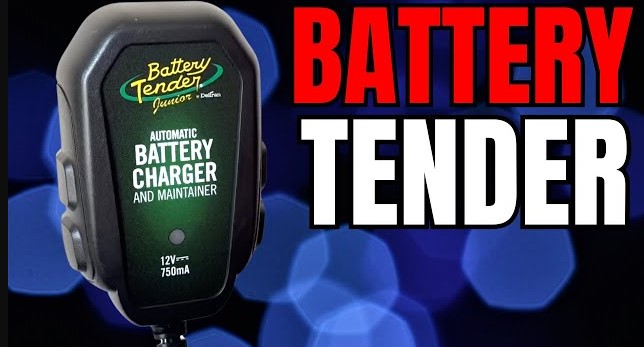
A battery tender is an intelligent device designed to maintain your vehicle’s battery at an optimal charge level while it sits idle. Unlike basic trickle chargers, a modern battery tender monitors voltage constantly to prevent overcharging, ensuring your car or motorcycle starts perfectly every time.
If you have ever walked out to your garage on a crisp morning, turned the key, and heard nothing but a sad, slow click, you know the frustration of a dead battery. It happens to the best of us, especially with weekend toys, motorcycles, or classic cars that spend more time parked than on the road.
This is where the magic of a battery tender comes into play. If you find yourself asking, “what is a battery tender,” you are about to discover the single best investment for your vehicle’s health. In 2026, our vehicles are more connected than ever. Even when your car is turned off, modern electronics from security systems to GPS trackers slowly sip power from your battery. This “parasitic drain” is the enemy of longevity.
A battery tender acts as a smart guardian for your battery, keeping it topped off without the risk of “cooking” it like the old-school chargers of the past. It is like a personal trainer for your car’s power, keeping it in peak condition all year long.
Key Takeaways
- Automatic Monitoring: A battery tender senses when the battery is full and switches to a float mode, preventing damage from overcharging.
- Extended Battery Life: By keeping the lead-acid chemistry active and stable, these devices can double the lifespan of your vehicle’s power source.
- Ease of Use: Modern tenders come with quick-connect leads that make hooking up your battery a simple five-second task.
- Versatility: Most devices in 2026 are compatible with AGM, lead-acid, and lithium-ion batteries, making them a one-size-fits-all solution.
- Safety First: They include built-in protections against short circuits, reverse polarity, and sparking for peace of mind.
- Cost Savings: Avoiding the need to replace a prematurely dead battery pays for the device within the first year of ownership.
Understanding the Battery Tender Basics
To really grasp what is a battery tender, you need to think of it as a bridge between a traditional manual charger and an intelligent power management system. Traditional chargers were “dumb” you plugged them in, they pushed electricity into the battery until you unplugged them. If you forgot about them, they would continue to dump current into the battery, causing it to overheat, boil off electrolyte fluid, and ultimately fail.
How a Battery Tender Differs From a Trickle Charger
Many people use the terms “trickle charger” and “battery tender” interchangeably, but they are not the same. A trickle charger provides a constant, small flow of electricity. It does not know when to stop. If you leave a trickle charger on your car for weeks, you might return to a damaged or even dangerous situation.
A battery tender, on the other hand, is smart. It uses a microprocessor to monitor the voltage levels of the battery. When the battery reaches its full capacity, the tender automatically cuts back to a “float” or “maintenance” mode. It provides just enough power to compensate for natural discharge, keeping it at 100 percent without ever pushing it over the edge.
Why Modern Batteries Need Extra Care
Modern vehicles use sophisticated lead-acid or lithium-ion batteries that are sensitive to deep discharge cycles. Every time your battery drops below a certain voltage, chemical crystallization (sulfation) begins to build up on the internal plates.
This process is essentially “battery rot.” Once this starts, the battery loses its capacity to hold a charge. A battery tender keeps the voltage high, preventing these crystals from forming. By keeping your battery “happy,” you ensure that the internal chemistry stays active and ready to deliver the high cold-cranking amps (CCA) needed to start your engine.
The Science of Smart Charging
The brilliance of a battery tender lies in its multi-stage charging process. In 2026, high-end tenders offer a 4-to-8 step program that ensures your battery stays in optimal shape. These stages include desulfation, bulk charging, absorption, and maintenance.
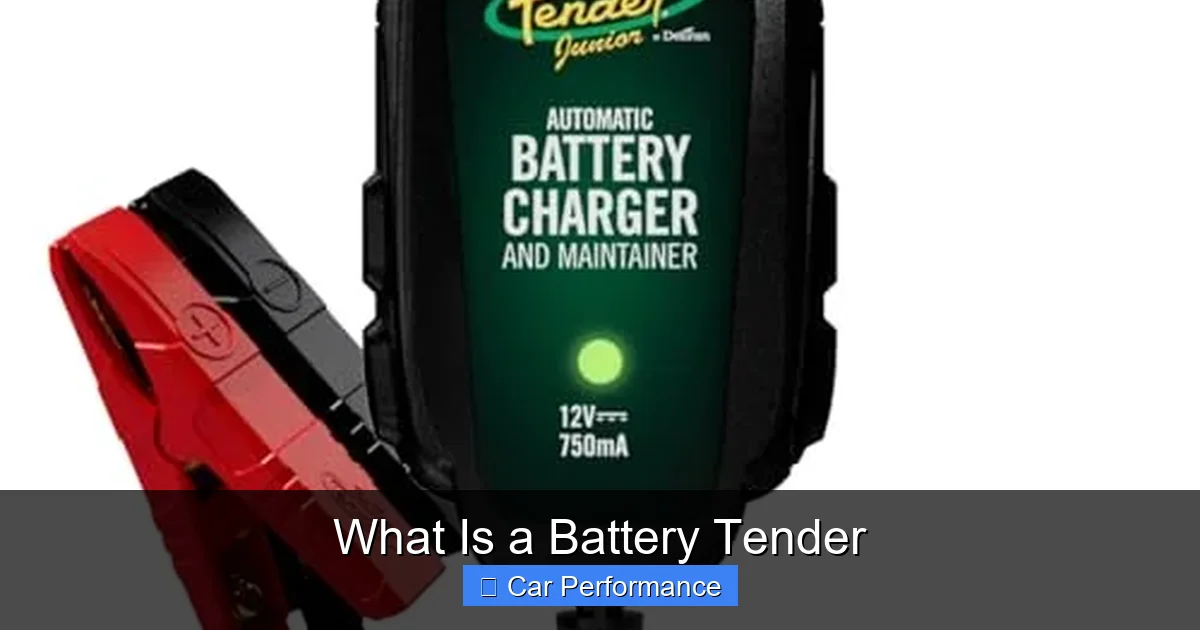
Visual guide about What Is a Battery Tender
Image source: m.media-amazon.com
The Desulfation Phase
When you first plug in your tender, it often performs a diagnostic check. If it detects sulfation on the plates, it may apply a pulse charge. This is a high-voltage, low-amperage burst that effectively breaks down the sulfate crystals. Think of it as a deep cleaning for the inside of your battery. This step alone can rescue batteries that most mechanics would tell you to throw away.
The Float Maintenance Phase
Once the battery is fully charged, the device enters the float stage. This is the “tender” part of the name. It maintains the battery at a constant, low voltage. It is essentially keeping the battery at the ready, like a runner waiting for the starting gun.
Because the current is so low, it does not heat up the battery or evaporate the water inside the cells. You could keep a healthy battery on a tender for years, and it would remain as fresh as the day it was manufactured.
Benefits of Using a Battery Tender
The primary benefit is peace of mind. Whether you are storing your classic convertible for the winter or simply keeping your daily driver in top shape, a battery tender eliminates the stress of “will it start?” anxiety. However, the benefits go much deeper into the mechanical and financial aspects of vehicle ownership.
Longer Battery Life
Most car batteries fail because they are allowed to sit in a partially discharged state. By keeping a battery tender connected, you effectively delay the need for a battery replacement. In 2026, with the rising costs of high-performance AGM (Absorbent Glass Mat) batteries, saving a few hundred dollars by using a tender is a smart financial move. Most owners find that using a tender can extend the life of their battery by 30 to 50 percent.
Reliability for Seasonal Vehicles
If you own a motorcycle, an RV, or a jet ski, you know that seasonal storage is brutal on batteries. These batteries naturally discharge at a rate of 1 to 5 percent per week when left disconnected. Over a three-month winter, your battery could be completely dead. A battery tender ensures that when the first warm day of spring arrives, your machine is ready to go. No jump-starts, no waiting for a new battery to ship, and no frustration.
Setting Up Your Battery Tender
Setting up your tender is straightforward, even if you are not a “car person.” Most kits now come with two types of connections: alligator clips and ring terminals. The alligator clips are great for occasional use, while the ring terminals are perfect for a permanent, “set it and forget it” setup.
The Permanent Installation Method
For vehicles you drive occasionally, I always recommend the ring terminal setup. You attach the rings directly to your battery terminals—red to positive, black to negative—and then route the quick-disconnect plug to an accessible spot near your grille or under the seat.
When you get home and park the car, you simply plug the tender into your wall outlet and then click the quick-disconnect together. It takes three seconds. It is so easy that you will actually do it every time, which is the key to success.
Safety Precautions for 2026
Even though modern tenders are incredibly safe, it is important to follow basic safety rules. Always ensure the device is in a well-ventilated area, especially if you are using a standard flooded lead-acid battery. Even though it is unlikely, lead-acid batteries can vent small amounts of gas. Also, always connect the charger to the battery *before* plugging it into the wall to avoid any potential sparks near the battery terminal.
Choosing the Right Tender for Your Needs
In 2026, the market is flooded with options, but not all are created equal. You need to pick a device based on your battery type. A standard lead-acid tender might not have the correct profile for a modern Lithium-ion (LiFePO4) motorcycle battery. Using the wrong charger on a lithium battery can be dangerous, so double-check the label.
Key Features to Look For
Look for a device that features “automatic voltage detection.” This allows the tender to identify whether your system is 6-volt, 12-volt, or 24-volt. Another great feature is “temperature compensation.”
Since batteries react differently to temperature changes a battery in a freezing garage needs a slightly different charge profile than one in a warm room this feature adjusts the voltage based on the ambient temperature. It is a small detail, but it makes a massive difference in the long run.
Understanding Amperage
You might see tenders rated at 0.75 amps, 1.25 amps, or even 5 amps. For a battery tender, slower is actually better. A low-amperage charge is gentler on the battery plates. If you are just maintaining a battery that is already charged, a 0.75 or 1.25-amp tender is perfectly sufficient and safer for long-term use.
Conclusion
Understanding what is a battery tender is the first step toward becoming a more proactive and savvy vehicle owner. It is not just about avoiding a dead battery; it is about preserving the health of your vehicle’s entire electrical system. In 2026, we depend on our vehicles for so much, and a reliable start should be a given, not a gamble.
By investing in a quality battery tender, you are giving your car the care it deserves. It is a set-it-and-forget-it solution that saves money, time, and the inevitable headache of a breakdown at the worst possible moment.
Whether you are a weekend mechanic or just someone who wants their car to start every morning, the battery tender is an essential tool that belongs in every garage. Take care of your battery today, and it will take care of you on the road tomorrow.
Frequently Asked Questions
Do I need to leave the battery tender on all the time?
Yes, for vehicles that sit for long periods, it is perfectly safe and encouraged to leave the tender connected 24/7. The device will monitor the battery and only provide power when the charge level drops below a safe threshold.
Can a battery tender ruin my car’s battery?
No, a high-quality battery tender is designed specifically to prevent the damage caused by overcharging. As long as you use a modern, automatic tender, it will protect your battery’s health rather than harm it.
What if my battery is already completely dead?
A battery tender is designed for maintenance, but many high-end models have a “recovery” or “desulfation” mode that can revive a severely discharged battery. If the battery is internally damaged or “shorted,” however, even the best tender may not be able to save it.
Is it okay to use a battery tender on a lithium battery?
You must ensure your battery tender is specifically rated for lithium-ion (LiFePO4) batteries. Standard lead-acid chargers can damage lithium batteries, so check your owner’s manual before plugging it in.
Can I use one tender for multiple vehicles?
You can move one tender between vehicles as needed, but for the best results, you should keep it connected whenever the vehicle is parked. If you have multiple cars, it is often more convenient to buy a dedicated tender for each one.
Does a battery tender consume a lot of electricity?
Not at all. Once the battery is fully charged, a battery tender uses a negligible amount of power—often less than a small LED nightlight. It is a very energy-efficient way to protect your investment.