
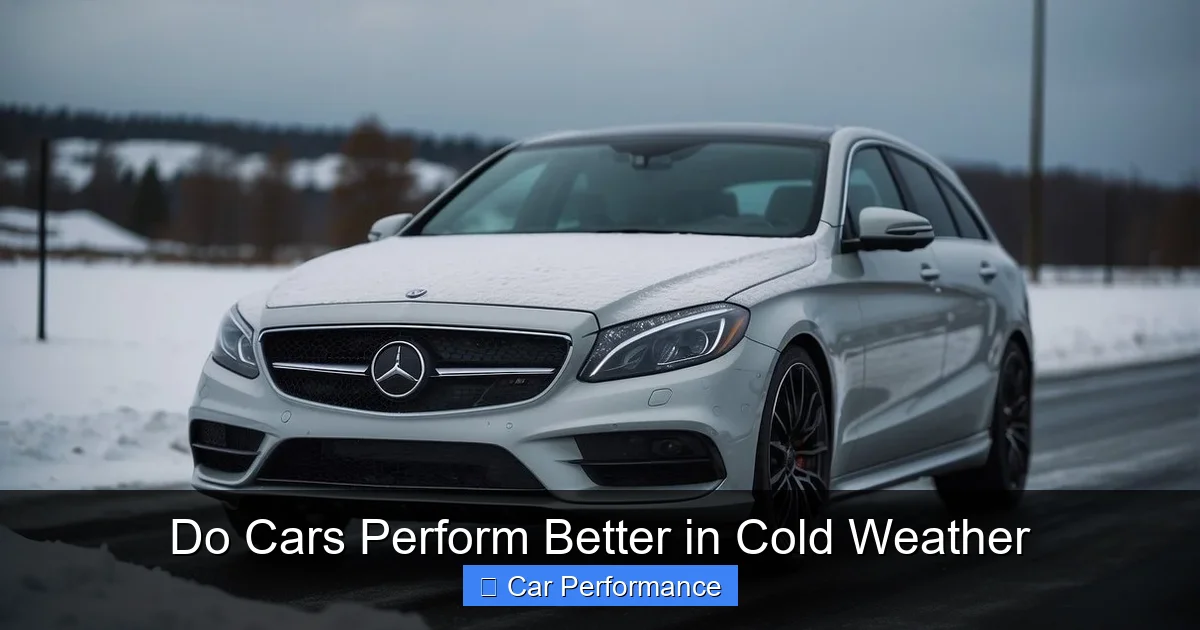
Do cars perform better in cold weather? The short answer is no. Ccold weather typically degrades performance across engines, batteries, tires, and more. From sluggish starts to reduced fuel efficiency, winter poses real challenges for drivers in 2026. With smart prep like winter tires and battery warmers, you can fight back and keep your ride running strong.
Do Cars Perform Better in Cold Weather? Key Takeaways
- Cold weather reduces battery capacity: Batteries can lose up to 50% power below freezing, making starts tough even in 2026 EVs.
- Engine oil thickens in cold: This slows lubrication, increasing wear and cutting performance until the engine warms up.
- Tires lose grip fast: Rubber hardens below 45°F, slashing traction on snow and ice winter tires are a must.
- Fuel efficiency drops 10-20%: Heater use and denser cold air demand more energy from your car.
- Brakes take longer to work: Cold pads and rotors need time to heat up, extending stopping distances.
- 2026 tech helps: Heated batteries and all-wheel drive in modern cars mitigate some issues.
- Prep is key: Regular maintenance and winter kits ensure better car performance in cold weather.
📑 Table of Contents
- Hey, Ever Wonder If Cars Perform Better in Cold Weather?
- The Cold Hard Truth: Why Cars Don’t Thrive in Winter
- Engines Under Siege: Cold Starts and Oil Drama
- Battery Blues: The Silent Winter Killer
- Tires and Traction: Slipping into Danger
- Fuel, Brakes, and Efficiency: Hidden Costs
- 2026 Tech to the Rescue: Smarter Cars Fight Cold
- Wrap-Up: Prep Now, Perform Strong All Winter
Hey, Ever Wonder If Cars Perform Better in Cold Weather?
Picture this: It’s a crisp winter morning in 2026. Snow dusts the ground. You hop in your car, turn the key or hit start and wonder, do cars perform better in cold weather? It’s a question I hear a lot from friends. Some swear their engine feels peppier in the chill. Others curse the sluggish starts.
Truth is, the idea that cars perform better in cold weather is mostly a myth. Cold temps hit everything from your battery to your tires. But hey, not all bad news. Modern cars pack tech to fight back. In this article, we’ll break it down. We’ll look at why cold hurts performance, what surprises you in 2026 rides, and tips to keep your car humming through winter.
Stick around. You’ll drive smarter this season.
The Cold Hard Truth: Why Cars Don’t Thrive in Winter
Cars love Goldilocks temps not too hot, not too cold. Below freezing, physics turns against you. Air gets denser. Fluids thicken. Metals contract. All this means your car works harder just to run normal.
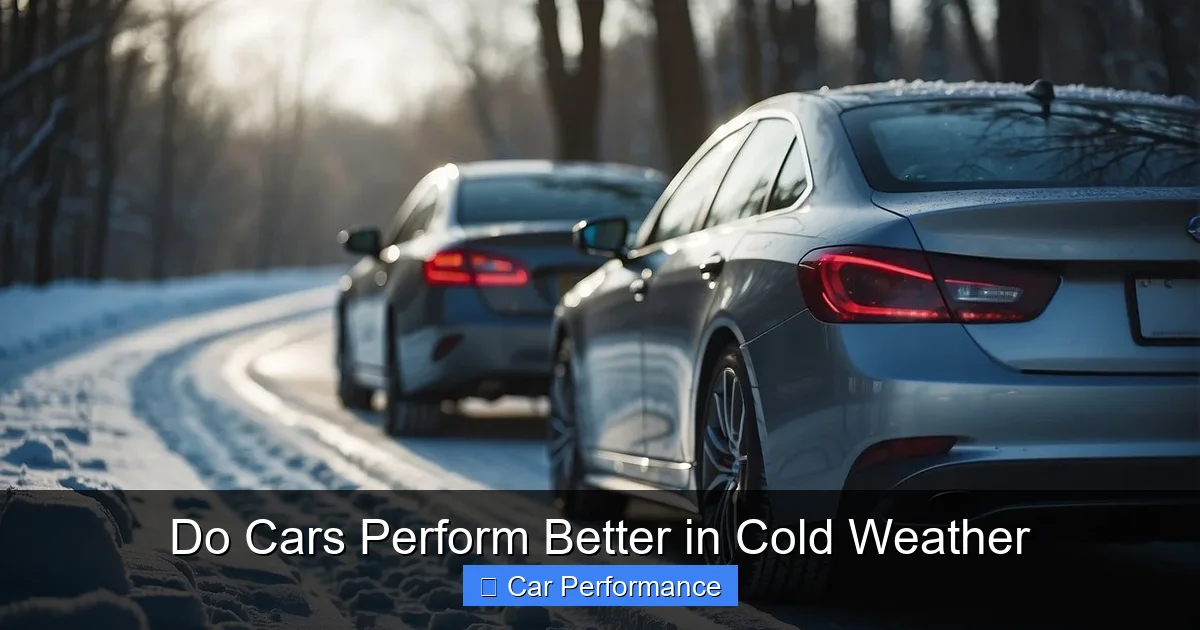
Visual guide about Do Cars Perform Better in Cold Weather
Image source: koala.sh
Do cars perform better in cold weather? Nope. Studies from AAA and Consumer Reports show winter drops power by 10-30%. Your 0-60 time? Slower. Top speed? Capped by traction loss. Let’s dig into the big hits.
Physics 101: How Cold Changes Your Car
Cold air is heavy. That’s good for jet engines more oxygen for combustion. But in cars? It means richer fuel mixes. Your ECU adjusts, but it robs efficiency. Rubber parts shrink. Seals leak more. Ever notice tiny puddles under your car after a freeze? That’s condensation and minor drips.
Example: My buddy’s 2025 Tesla Model Y. He thought cold air boosted power. Reality? Regen braking weakened, and range plunged 40%.
Engines Under Siege: Cold Starts and Oil Drama
Your engine is the heart. In cold weather, it shivers. Oil turns to sludge below 32°F. It can’t flow fast. Metal parts grind without lube. Wear skyrockets in those first minutes.
Do cars perform better in cold weather for engines? Hard no. Compression drops as parts contract. Spark plugs foul easier. Fuel doesn’t vaporize well. Result? Rough idle, hesitation, black smoke.
Synthetic Oils and Warm-Up Tips
Switch to 0W-20 synthetic by 2026 standards. It flows like water in cold. Pro tip: Don’t rev hard cold. Idle 1-2 minutes. Use block heaters if you park outside—plugs in, warms coolant overnight.
Real talk: In Minnesota winters, my truck with a block heater starts like summer. Without? Coughs for ages. Save your starter motor.
Battery Blues: The Silent Winter Killer
Batteries hate cold more than I hate kale. Chemical reactions slow. Capacity dives 20% at 0°F, 50% at -20°F. Lead-acid in hybrids? Worse. Even lithium-ion in EVs loses punch.
2026 EVs like the Rivian R3 use heated batteries. They precondition en route. But gas cars? Dead batteries cause 60% of winter tows, per AAA.
Charge Smart, Test Often
- Keep a trickle charger handy.
- Test voltage monthly 12.6V is healthy.
- Park in garage to steal garage heat.
Example: Ford F-150 Lightning owners preheat via app. Boosts range 20%. Old beater? Jump it weekly.
Tires and Traction: Slipping into Danger
Tires are your grip on life. Cold hardens rubber below 45°F. Tread flattens less, grip vanishes. Snow? Forget it all-season tires float like boats.
Do cars perform better in cold weather with AWD? Helps, but tires rule. Michelin X-Ice or Bridgestone Blizzak? Night and day.
Winter Tire Swap Guide
Buy four matching tires. Size per door sticker. Rotate every 5k miles. Check pressure cold tires lose 1 PSI per 10°F drop. Tip: Air up to max sidewall PSI for snow flotation.
Story time: Last January, I swapped tires on my Subaru. Zero slips on black ice. Friend on all-seasons? Ditched twice.
Fuel, Brakes, and Efficiency: Hidden Costs
Winter guzzles gas. Heater blasts eat 10% MPG. Cold fuel is denser—pump reads short. Brakes? Pads stay cold, rotors contract. Stopping distance jumps 20% first mile.
Hybrids shine here electric assist warms fast. But overall, car performance in cold weather lags summer by 15%.
Hacks for Better MPG and Stops
- Minimize idling modern cars shut off auto.
- Brake gently to bed in pads.
- Use apps like Fuelly to track winter dips.
In 2026, Toyota’s Prius Prime has heated brakes. Game-changer for city stops.
2026 Tech to the Rescue: Smarter Cars Fight Cold
Don’t despair. New cars pack winter smarts. EVs precondition batteries via cloud. Heated seats, mirrors, wipers standard. ADAS like auto emergency braking shines on slick roads.
Do cars perform better in cold weather now? Kinda—with tech. GM’s Ultium platform resists fade. Porsche Taycan Turbo GT? Winter track laps rival summer.
Upgrade Your Old Ride
Add remote starters. Battery blankets. All-weather mats trap slush. OBD2 scanners spot issues early cheap on Amazon.
Wrap-Up: Prep Now, Perform Strong All Winter
So, do cars perform better in cold weather? Rarely. Cold zaps power, grip, and joy. But you’re not helpless. Winter tires, maintenance, garage parking these turn “ugh” into “no sweat.”
In 2026, tech helps more. EVs evolve fastest. Gas cars? Solid basics win. Drive safe, friend. Share your winter hacks below. Your car and roads.
Frequently Asked Questions
Do cars perform better in cold weather for fuel combustion?
Denser cold air packs more oxygen, aiding combustion slightly. But thickened fuel and oil offset gains. Overall efficiency drops 10-20% in winter.
Why does my car start slow in cold weather?
Cold saps battery power and thickens oil, slowing cranking. Use synthetic oil and a block heater for quick starts in 2026.
Are EVs worse in cold weather than gas cars?
EVs lose range fast from battery chill and heater use. But 2026 models precondition packs. Gas cars struggle with starts prep evens the field.
Do winter tires really improve car performance in cold weather?
Yes—soft compounds grip ice and snow way better than all-seasons. Expect 50% shorter stops and no fishtailing.
How much does cold weather affect braking?
Cold pads and rotors extend stops by 20-30% initially. Gentle braking warms them fast. Heated systems in new cars help.
What maintenance boosts car performance in cold weather?
Check fluids, battery, tires weekly. Swap to winter gear. Garage park. These keep your 2026 ride reliable all season.