
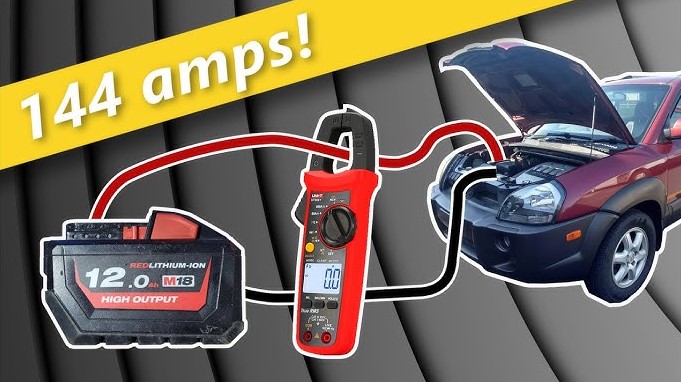
A car battery typically delivers between 400 and 700 cold cranking amps (CCA), depending on size, age, and climate. This power lets your engine start even in freezing weather, but knowing your battery’s amp rating helps prevent breakdowns. Modern vehicles with advanced electronics may need higher amperage, so checking your owner’s manual or battery label is always smart. Whether you’re troubleshooting or replacing, understanding amps ensures you pick the right battery for reliable starts every time.
Let’s face it: your car battery might be one of the most misunderstood parts under your hood. It’s small, tucked away, and most drivers never think about it until their engine won’t turn over. But here’s the truth your battery is actually the heart of your vehicle’s electrical system. And like any heart, it pumps energy to keep everything running smoothly.
So, how many amps is a car battery? The short answer? Usually between 400 and 700 amps but that’s just the tip of the iceberg. What really matters is how those amps perform in real-world conditions, especially when you’re trying to start a cold engine in winter or power all your modern gadgets. In 2026, with more electric features than ever, understanding your battery’s amperage isn’t just helpful – it’s essential.
This article breaks down everything you need to know about car battery amps, from what CCA means to how temperature affects performance. Whether you’re diagnosing a slow crank, replacing an old battery, or just curious about your ride’s guts, we’ve got you covered.
Key Takeaways
- Car batteries usually provide 400–700 cold cranking amps (CCA) – this is the key number for starting engines in cold weather.
- Reserve capacity (RC) measures how long a battery can run accessories if the alternator fails – aim for at least 90 minutes of backup power.
- Modern cars often need more amps due to tech like infotainment and driver-assist systems – check your original specs before buying.
- Amps aren’t the same as voltage a 12-volt battery can deliver hundreds of amps when cranking – voltage stays steady; current changes based on demand.
- Extreme temperatures affect performance cold reduces available amps, heat speeds up battery drain – choose a battery rated for your climate.
- Regular testing keeps your battery healthy most lose 50% of life after three years – get tested annually if you drive less than 3,000 miles per year.
- Jump-starting uses high-amp bursts don’t rely on jump starters long-term; they’re emergency tools only – a weak battery needs replacement, not just a boost.
What Is Cold Cranking Amps (CCA)?
When people talk about “how many amps” a car battery has, they’re usually referring to **cold cranking amps (CCA)**. This isn’t the continuous power the battery gives while driving – it’s the burst of energy it delivers to turn the engine over when cold.
Why CCA Matters Most for Starting
Think of CCA as your battery’s starting muscle. A typical 12-volt car battery might have a CCA rating between 400 and 700 amps. That means it can push that much current through your starter motor in freezing conditions say, 0°F (-18°C) for 30 seconds without dropping below 7.2 volts. If it drops too low, the engine won’t start.
For example, if you live in Minnesota and your battery reads only 300 CCA, it probably won’t handle a -10°F morning. But if you’ve got a 650-amp battery, you’re golden even in blizzards.
How CCA Is Tested
The Society of Automotive Engineers (SAE) sets the standard. Technicians test batteries by connecting them to a load tester that draws full CCA for 30 seconds. If the battery holds above 7.2 volts throughout, it passes. Simple, right?
But here’s a pro tip: never go by the sticker alone. Batteries degrade over time, and cold cranking ability drops faster than reserve capacity. So even if your battery looks new, get it tested before winter hits.
Understanding Reserve Capacity (RC)
While CCA tells you about starting power, reserve capacity (RC) tells you how long your battery can keep things running if the alternator dies. RC is measured in minutes – how long the battery can supply 25 amps before voltage drops to 10.5 volts.
What RC Means for Daily Driving
Imagine you’re stuck at a red light with the AC on, headlights blazing, and suddenly the alternator belt snaps. Your car’s lights will dim, then flicker unless your battery has enough reserve. A battery with 90 minutes of RC can keep your essentials running for nearly an hour. That’s enough time to call for help or wait out traffic.
Most passenger cars need at least 90 minutes of RC. Trucks and SUVs? Aim for 100+ minutes. Electric-heavy vehicles with heated seats, defoggers, and navigation systems pull more power – so higher RC helps avoid unexpected shutdowns.
RC vs. CCA: Know the Difference
| Feature | Cold Cranking Amps (CCA) | Reserve Capacity (RC) |
|————–|————————–|————————|
| Purpose | Starts the engine | Powers accessories if alternator fails |
| Measured in | Amps | Minutes |
| Ideal range | 400–700 amps | 90–120+ minutes |
You want both but CCA is non-negotiable for reliable starts. Without enough CCA, no amount of RC helps on a cold morning.
How Temperature Affects Battery Amps?
Here’s a common myth: “My battery works fine in summer, so it’ll work in winter.” Nope. Cold weather is a killer for batteries literally.
Cold Weather Drains Power Fast
When temps drop, chemical reactions in the battery slow down. That means less available current. At 32°F (0°C), a healthy battery might still deliver 80% of its CCA. But at 0°F (-18°C), it could fall to 60%. At -20°F (-29°C), you might see only 45% barely enough to turn the starter.
That’s why a battery rated for 600 CCA at 0°F might feel like it’s struggling at -10°F in your garage. Always check the CCA rating under *cold* conditions, not room temp.
Heat Doesn’t Help – It Hurts
On the flip side, hot weather isn’t great either. High temperatures speed up internal corrosion and water loss in flooded lead-acid batteries. Lithium-ion hybrids handle heat better, but even they degrade faster above 104°F (40°C).
So whether it’s scorching Arizona or icy Alaska, extreme temps reduce effective amperage and shorten battery life. That’s why OEM-recommended batteries are often designed for your region’s climate extremes.
Modern Vehicles Need More Power Than Ever
In 2026, today’s cars are basically mobile computers on wheels. Heated steering wheels, surround sound, adaptive cruise control, Wi-Fi hotspots all these draw extra power. And that adds up fast.
Tech That Increases Amp Demand
Take a luxury sedan with these features:
– Dual-zone climate control
– Panoramic sunroof (heats up quickly)
– Wireless phone charging
– Backup cameras and sensors
– LED lighting
Each adds 5–20 amps when active. During startup, that’s a huge load on top of the starter motor. Older batteries simply can’t handle it – hence the rise in 700+ CCA batteries for modern sedans and SUVs.
Even EVs with regenerative braking still rely on a 12-volt system for lights, infotainment, and safety systems. Those “auxiliary” loads can drain a battery in hours if neglected.
Hybrid and Electric Cars Still Use 12V Batteries
Don’t confuse the main traction battery (which runs the motor) with the 12-volt system. Tesla Model 3s, Toyota Priuses, and Ford F-150 Lightnings all use separate 12-volt batteries for secondary functions. These often require higher CCA and RC than traditional cars.
Check your owner’s manual – some hybrids recommend premium batteries with enhanced cycling capabilities.
How to Choose the Right Battery for Your Car?
Picking the wrong battery is like putting a weak pump on a high-performance engine – it’ll fail when you need it most.
Step 1: Match the Group Size
Battery group size refers to physical dimensions and terminal placement. Common sizes include:
– Group 24F: Full-size sedans
– Group 35: Compact trucks
– Group 48: Large SUVs or hybrids
Wrong size = no fit in the tray or bad connections. Measure or bring your old battery to the store.
Step 2: Check OEM Specifications
Your manufacturer specifies the ideal CCA and RC. For example, a 2026 Honda Accord might need:
– Minimum: 650 CCA
– Recommended: 720 CCA with 105-minute RC
Skipping OEM specs risks compatibility issues with your car’s computer and charging system.
Step 3: Consider Your Climate
If you live where winters average 20°F or lower, choose a battery with 700+ CCA. In mild climates, 550–600 may suffice. But never sacrifice CCA for cost – starting failures are expensive.
Step 4: Look Beyond Lead-Acid
AGM (absorbent glass mat) and lithium batteries offer advantages:
– AGM: Handles vibration better, longer life, supports high-demand electronics
– Lithium: Lighter, charges faster, but pricier and less proven for long-term use
Many modern cars now come factory-equipped with AGM — so match that if possible.
Signs Your Battery Is Losing Amp Strength
Knowing when to replace your battery saves you from stranded mornings and costly repairs.
Slow Engine Crank
If the starter spins slowly or takes two tries to fire up, your battery might be losing its punch. This is especially noticeable in cold weather.
Dimming Lights When Idle
Turn on headlights and interior lights. If they flicker or dim while parked, the alternator isn’t recharging fast enough – likely because the battery can’t hold a charge well.
Electrical Gremlins
Windows that move sluggishly, radio settings resetting, or dashboard warning lights flashing? Weak batteries cause erratic behavior in sensitive electronics.
Swollen Battery Case
On older batteries, heat causes plastic casings to puff up. Never ignore this – it means internal damage and reduced amp output.
Age Over 3 Years
Even with perfect care, batteries degrade. Most lose half their capacity by year three. Schedule annual tests if you drive infrequently.
Pro Tips for Maintaining Battery Health
You don’t need to replace your battery every year — but you do need to treat it right.
Keep Terminals Clean
Corrosion builds up fast. Every spring and fall, clean terminals with a mix of baking soda and water. Dry thoroughly and coat with dielectric grease.
Drive Regularly
Short trips don’t let the alternator recharge fully. Try to take longer drives weekly to keep the battery topped off.
Use a Smart Charger
If you park for months (like in storage), hook up a maintainer. It trickle-charges without overcharging – preserving amp capacity.
Avoid Parasitic Draws
Leaving phones or dashcams plugged in drains the battery overnight. Unplug accessories when the car’s off.
Park Out of Extreme Heat or Cold
Garages help, but avoid direct sunlight or frozen ground. Both stress the battery.
Test Before Winter
Get a load test at a trusted auto shop. They’ll tell you exactly how many amps your battery can still deliver and whether it’s time for a swap.
Frequently Asked Questions
Can I use a battery with higher amps than recommended?
Yes, but only if it fits physically and electrically. Higher CCA improves cold-weather starting, but your alternator must still charge it properly. Never exceed voltage limits – most cars run strictly 12-volt systems.
Does battery brand matter for amperage?
Not the brand itself – it’s about specifications. A $100 battery with 600 CCA is better than a $150 battery with 400 CCA if your car needs 600. Focus on ratings, not logos.
How do I jump-start safely using high-amps?
Connect positive to positive, negative to grounded metal (not battery!), then start donor vehicle. Wait 5 minutes before disconnecting never reverse polarity or touch clamps together.
Will a bigger battery improve my car’s performance?
No, bigger doesn’t mean better unless your system demands it. Modern cars regulate charging precisely. An oversized battery can confuse the ECU or fail to recharge fully.
Can I test my battery at home?
Basic multimeters measure voltage (should be ~12.6V fully charged). But true amp testing requires a load tester. DIY kits exist, but professional testing is more accurate and safer.
How long should a car battery last?
Typically 3–5 years, depending on climate, usage, and maintenance. Batteries in warm climates may die early; those in cold areas wear faster during winter starts. Expect 50% capacity loss by year three.