
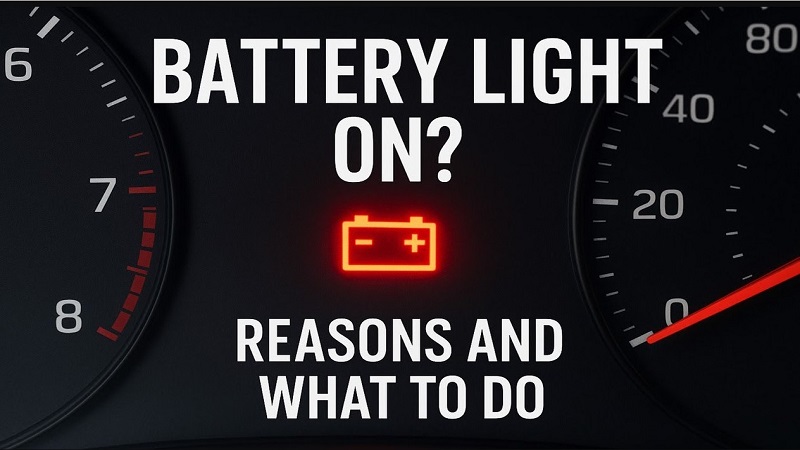
When your dashboard battery light illuminates, it is a critical warning that your vehicle’s charging system is failing to provide adequate power. You must act quickly, as this often indicates your car is running solely on battery reserve and will soon shut down completely.
Driving down the highway in your 2026 model vehicle, the last thing you want to see is an unfamiliar red icon glowing on your dashboard. If you have ever found yourself asking, what does it mean when the battery light comes on, you are not alone. It is one of the most stressful experiences for any driver, but understanding this symbol can save you from a major headache.
Many drivers mistakenly assume this light only points to a dead or dying battery. While that can be part of the problem, the reality is a bit more complex. The dashboard light is actually a messenger for your entire charging system. When it flickers to life, your car is telling you that the electrical symphony powering your vehicle is out of tune.
Key Takeaways
- The Light Isn’t Just for the Battery: It monitors the entire charging system, including the alternator and electrical connections.
- Urgency is Required: Once the light comes on, your car is operating on limited energy and may stall without warning.
- Alternator Failure: The most common culprit is a faulty alternator that has stopped producing electricity for the vehicle.
- Check Your Belts: A loose or broken serpentine belt can prevent the alternator from spinning, triggering the warning light.
- Battery Health Matters: Old or corroded batteries can struggle to hold a charge, putting unnecessary strain on the rest of the system.
- Safety First: Avoid turning off the car in a remote area once the light appears, as it may not restart.
Understanding the Charging System
To understand what does it mean when the battery light comes on, we must look at how your car generates electricity. Your car has two main components that handle power: the battery and the alternator. The battery is primarily responsible for the “start” phase. It provides the initial surge of energy to crank the engine.
The Role of the Alternator
Once your engine is running, the alternator takes over the heavy lifting. Think of the alternator as a small power plant under your hood. It converts mechanical energy from the engine into electricity. This electricity powers your headlights, climate control, infotainment system, and—most importantly—it keeps the battery charged. If the alternator fails, the battery has to carry the entire load alone, which it simply cannot do for very long.
The Battery’s Limited Lifespan
In 2026, modern cars are packed with high-tech sensors, cameras, and connectivity features. These systems demand a steady flow of power. If your charging system stops working, your car begins to consume the stored energy in the battery. Once that reserve is gone, the computer modules lose power, the fuel pump stops, and your car effectively “bricks” itself in the middle of the road.
Common Causes for the Warning Light
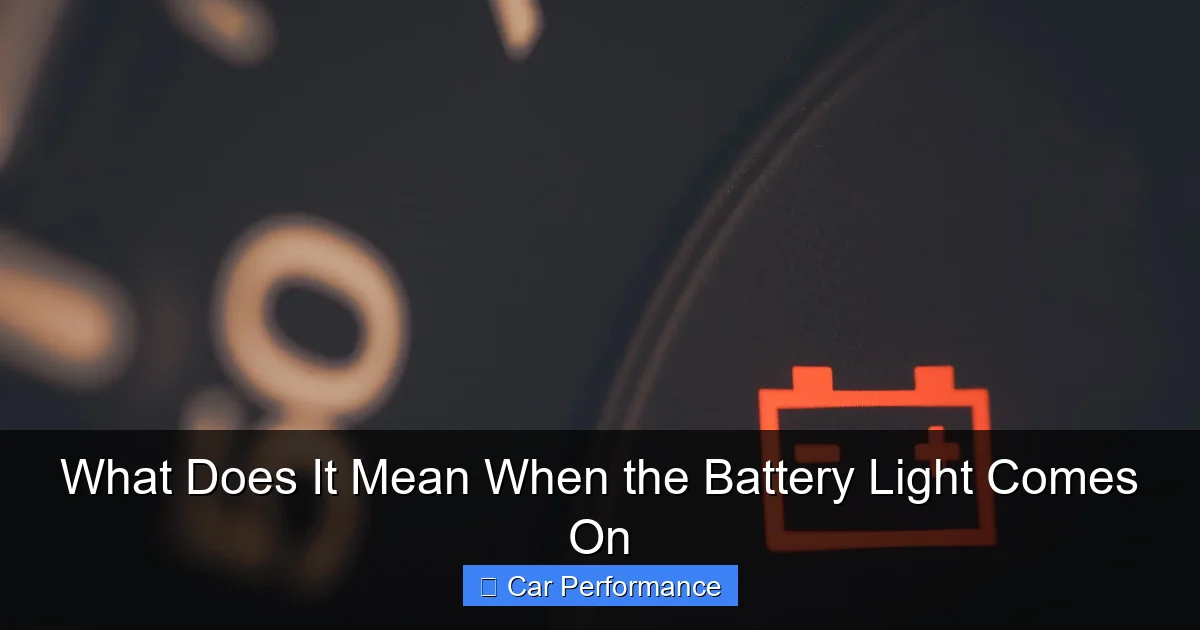
If you see that familiar rectangular icon with plus and minus signs, there are several likely culprits. Knowing these can help you communicate better with your mechanic.
Faulty Alternator
This is the most frequent cause for the light appearing. As your car ages, the internal components of the alternator, like the voltage regulator or the brushes, can wear out. When this happens, the alternator stops pumping electricity back into the battery. The battery light is the car’s way of saying, “I am no longer receiving a charge.”
The Serpentine Belt
Your engine uses a long, durable rubber belt called the serpentine belt to drive accessories like the water pump, air conditioner, and the alternator. If this belt becomes loose, stretched, or snaps entirely, the alternator will stop spinning. Even if the alternator is in perfect health, it cannot do its job without that mechanical connection. If you hear a loud screeching noise followed by the light, check your belt immediately.
Corroded Battery Cables
Sometimes, the issue is not the part itself, but the connection. Battery terminals can accumulate corrosion over time, which looks like a white or blue crusty powder. This buildup creates a barrier that prevents electricity from flowing freely between the battery and the car. A loose terminal can also cause the connection to drop out, triggering the warning light sporadically.
What to Do When the Light Comes On
If you are driving and the light turns on, stay calm but remain focused. First, reduce your electrical load immediately. Turn off your air conditioning, unplug your phone chargers, dim your dashboard lights, and turn off the radio. Every bit of electricity you save gives you a few extra minutes of driving time.
Getting to Safety
Do not pull over in a dangerous spot just because of the light. However, you should look for the nearest safe exit or parking lot. Because your car is likely running solely on battery power, you might notice your headlights dimming or your windows rolling up more slowly. These are signs that you are reaching the end of your battery’s capacity.
Avoid Turning the Car Off
Once you are in a safe location, do not turn the engine off unless you are in a place where you can safely wait for a tow truck. If the alternator is broken, the battery may not have enough power to restart the engine. Keep the car running until you are ready to be towed to a repair shop.
Diagnosing the Issue at Home
If you are handy with tools, you can perform a few basic checks to narrow down the cause. For this, you will need a basic digital multimeter, which is an inexpensive tool available at any auto parts store.
Testing the Voltage
With the engine turned off, measure the voltage across your battery terminals. A healthy battery should show roughly 12.6 volts. Now, ask a friend to start the car while you watch the meter. If the voltage drops significantly during cranking and does not rise to between 13.5 and 14.5 volts while the engine is idling, your alternator is likely not charging the battery.
Checking for Loose Connections
Pop the hood and inspect the battery terminals. If they are loose, try to wiggle them. If they move, tighten the nuts holding them to the posts. If you see thick corrosion, mix a little baking soda and water to clean the terminals with an old toothbrush. Sometimes, a simple cleaning is all it takes to clear the light and get you back on the road.
When to See a Professional
While DIY checks are helpful, electrical issues in modern 2026 vehicles can be tricky. Today’s cars use complex computer systems that communicate over a network (CAN bus). Sometimes, the battery light can be triggered by a faulty sensor or a software glitch in the power management module.
If you have cleaned your terminals and ensured your belt is tight, but the light stays on, it is time to visit a professional mechanic. They have access to advanced diagnostic scanners that can “talk” to your car’s computer. These scanners can pinpoint whether the issue is a specific internal part of the alternator or a broken wire buried deep within the engine bay harness.
Preventative Maintenance Tips
The best way to deal with a battery light is to never see it in the first place. Battery and alternator health are often overlooked until they fail, but a little bit of care goes a long way in 2026.
First, have your battery tested during every oil change. Most shops do this for free. If your battery is more than three to four years old, it is approaching the end of its life. Replacing it proactively is much cheaper than paying for a tow truck when it dies on a busy freeway.
Second, listen to your car. If you hear a rhythmic squealing sound when you start the engine, it is a sign that your serpentine belt is wearing out. Replace it before it snaps, as it is a low-cost item that prevents expensive damage to your engine’s electrical system. By staying ahead of these small maintenance tasks, you ensure that your vehicle remains reliable for years to come.
In conclusion, the answer to what does it mean when the battery light comes on is simple: your car’s electrical system needs attention, and it needs it now. Whether it is a simple loose cable or a more serious alternator failure, treating the warning with respect and urgency will keep you safe on the road. Keep your electrical connections clean, monitor your belt health, and always pull over safely when the light shines bright. Your car will thank you for it.
Frequently Asked Questions
Can I keep driving if the battery light turns on?
No, you should not continue driving for long. The light indicates that your car is using up the battery’s remaining energy, and once it runs out, the engine will shut down completely.
Is it always the battery that needs replacing?
Surprisingly, no. It is often the alternator that has failed, preventing the battery from being recharged while the engine runs.
Why does my light flicker on and off?
A flickering light often suggests a loose wire, a corroded battery terminal, or a serpentine belt that is slipping intermittently. It is a sign that the connection is unstable and requires immediate inspection.
How much does it cost to fix a battery light issue?
Costs vary widely depending on the cause, ranging from a simple cleaning of terminals to several hundred dollars for a new alternator. It is best to have a technician diagnose the specific fault first.
Does the battery light mean the car won’t start again?
If the charging system is truly broken, the car will likely not restart once you turn off the engine. This is because the battery will have been drained by the electronics while you were driving.
Can cold weather trigger the battery light?
Cold weather puts a heavy strain on batteries, making existing weaknesses more apparent. While the cold itself is not a direct cause, it can highlight a battery that is already near the end of its life.