
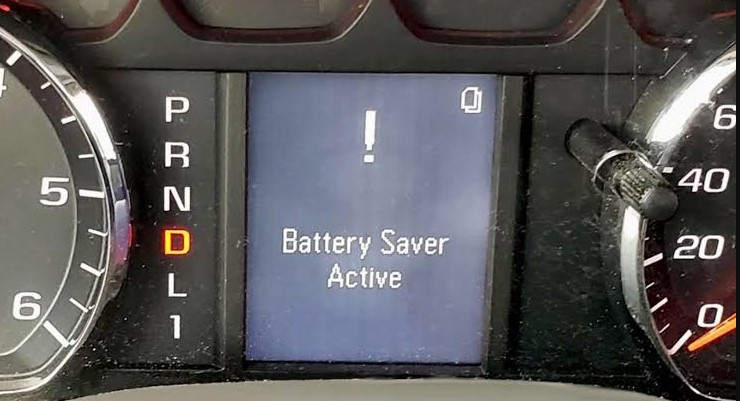
Seeing the “Battery Saver Active” message on your dashboard means your vehicle’s computer is intentionally shutting down non-essential electrical systems to preserve energy. This protective feature prevents a complete power drain, ensuring you have enough juice to start your engine and keep critical safety systems running.
Picture this: you are cruising down the highway in your 2026 model sedan, enjoying a podcast and the heated seats, when suddenly a warning pops up on your digital display. It reads: “Battery Saver Active.” If you are not a mechanic, this can feel a little bit scary. You might wonder, does the car die now? Will the engine cut out? It is a common moment of panic for many drivers, but there is no need to worry just yet.
When you ask, “what does battery saver active mean,” the answer is actually quite comforting. Your car is essentially acting like a smart device. Just as your phone dims its screen to make the last ten percent of charge last longer, your vehicle is prioritizing your safety. It is taking control of the electrical load to ensure that the most important systems stay powered while the secondary features take a backseat.
Key Takeaways
- Energy Preservation: The system identifies low voltage and cuts power to comfort features like heated seats or infotainment to save the battery.
- Preventative Strategy: It acts as a safety net to prevent you from being stranded by a dead battery.
- Charging Issues: Often, this message triggers because your alternator is failing to charge the battery while the car is running.
- Parasitic Draw: Sometimes, an aftermarket accessory or a rogue sensor can drain power even when the vehicle is turned off.
- Regular Maintenance: Batteries lose efficiency over time, especially in extreme temperatures, making regular checks essential.
- Professional Inspection: If the light stays on, you need a technician to check your charging system and battery health.
Understanding the Battery Saver System
Modern vehicles in 2026 are essentially rolling supercomputers. They run dozens of electronic control units that manage everything from your fuel injection to your air conditioning. All of these require steady, reliable electricity. Your battery is the storage tank for that power, and the alternator is the pump that keeps it full while you drive.
How the Logic Works
The “Battery Saver Active” mode is a programmed threshold. Your car’s main computer, or the Battery Management System (BMS), constantly monitors the voltage coming from the battery. If that voltage drops below a certain point—usually somewhere around 12.2 or 12.4 volts while the engine is idling—the system kicks into action. It assumes that there is a demand imbalance, meaning more power is being used than is currently being generated.
Prioritizing Essential Systems
When the system enters this mode, it systematically disables high-draw items. You might notice your heated steering wheel turns off, your cabin ventilation fan speed drops, or the brightness of your infotainment screen dims automatically. These systems are “luxuries” in the eyes of your car’s computer. The “essentials” like your fuel pump, the ignition system, and the digital instrument cluster are never compromised. This way, the car keeps running, and you get to your destination safely.
Common Causes for the Warning
Knowing what does battery saver active mean is only half the battle. You also want to know why it is happening. In most cases, it is not a sign of a catastrophic failure, but rather a hint that something is wearing out or being used incorrectly.
The Aging Battery Problem
Even with the advanced battery technology we have in 2026, batteries are still electrochemical devices that degrade. After three or four years, the internal plates of a lead-acid or even an AGM battery start to oxidize. When this happens, they lose the ability to hold a charge. If your battery is nearing the end of its lifespan, it will struggle to maintain the voltage required by your car’s electronics. The “Battery Saver Active” message is often the very first sign that your battery is ready for a trip to the recycling center.
Alternator and Charging System Faults
The alternator is the powerhouse of your car. If the alternator belt is loose, or if the internal diodes are failing, the battery won’t get enough juice. You could be driving for an hour, but the battery might actually be losing charge the entire time. When the voltage reaches that critical “low” point, the computer triggers the alert. Think of it like trying to fill a bucket with a hole in the bottom; the faster you fill it, the more you have, but the underlying issue remains the leak.
What to Do When the Alert Pops Up
So, you are driving, the light comes on, and you are asking yourself, “what does battery saver active mean in this exact moment?” First, do not panic. Your car is not going to shut off in the middle of traffic. However, you should take immediate, proactive steps to reduce the load on the electrical system.
Immediate Mitigation Tips
Turn off everything that draws extra power. If you have your air conditioning on full blast, turn it down or off. Disconnect any phone chargers or USB accessories plugged into the console. If you have your headlights on during the day (or if you are in a vehicle with a heavy lighting load), try to minimize unnecessary electronic use until you can safely pull over. By reducing the demand, you give the alternator a better chance to top up the battery.
The Post-Drive Inspection
Once you are parked safely at home, pop the hood. Look at the battery terminals. Are they covered in a white or blueish crust? That is corrosion, and it acts as an insulator, preventing electricity from flowing correctly. A simple cleaning with a wire brush and a mixture of baking soda and water can often solve the problem if the connections were just poor. If the cables are tight and clean, the next step is to head to a local auto parts store. Most of them will test your battery and alternator for free using a handheld diagnostic tool.
Advanced Diagnostics and Modern Technology
In 2026, vehicle connectivity is at an all-time high. Your car might actually send a diagnostic report to your smartphone app when the “Battery Saver Active” alert is triggered. This is incredibly helpful because it provides specific error codes. If the system reports a “High Resistance” error, it usually points to a bad cable or a weak ground connection. If it reports “Low Charging Voltage,” you are almost certainly looking at an alternator issue.
The Role of Parasitic Draw
Sometimes, the battery is fine and the alternator is perfect, yet the alert keeps coming back. This is often caused by a “parasitic draw.” This happens when an electronic component stays “awake” even after you turn the car off. Maybe an aftermarket dashcam is wired incorrectly, or a door light sensor is faulty and thinks the door is open. Over the course of a night, this draw slowly siphons power from the battery. By the time you start your car the next morning, the battery is already struggling.
Preventative Maintenance for Longevity
The best way to avoid seeing that dreaded warning is to treat your car’s electrical system with care. Regularly testing your battery once a year—especially before winter—is a great habit to adopt. Cold weather is the number one killer of batteries, as it slows down the chemical reaction inside the battery, making it harder to push power to the starter motor.
Upgrading to Modern Battery Tech
If you find yourself frequently dealing with battery issues, consider upgrading to an AGM (Absorbent Glass Mat) battery if your vehicle supports it. These are much more resilient than traditional flooded batteries and handle the higher electrical demands of modern 2026 vehicles with ease. They resist vibration and cycle life much better, meaning fewer alerts on your dashboard.
Conclusion
When you ask “what does battery saver active mean,” you are really just asking about a safety system designed to keep you on the road. It is a helpful friend in the dashboard that tells you your energy budget is running thin. Whether it is a simple case of an old battery, a loose connection, or a failing alternator, the message gives you the information you need to address the problem before it leaves you stranded.
By keeping your terminals clean, keeping an eye on your battery’s age, and minimizing electrical load when you notice issues, you can prevent that warning from appearing. Remember, your car is smart enough to protect itself, but it needs you to take the next step. If the message persists, get it checked by a professional. It is a small investment of time that saves you from a much larger headache down the road.
Frequently Asked Questions
Is it safe to drive with the Battery Saver Active light on?
Yes, it is generally safe to drive for a short period, as the car is intentionally prioritizing power to critical safety and engine systems. However, you should head directly to your destination or a repair shop, as the vehicle may not have enough power to restart once you turn the engine off.
Does this mean my car is broken?
Not necessarily; it often means your battery is simply low on charge or starting to wear out. While it can indicate a failing alternator, it is frequently just a sign that your battery needs a good charge or a replacement.
Can I just charge my battery to fix the problem?
Charging the battery can temporarily solve the warning if the battery was simply drained by leaving a light on or sitting for too long. If the warning returns shortly after, there is likely an underlying issue like a bad alternator or a failing battery that won’t hold a charge.
Why does this alert happen in the winter?
Cold weather significantly reduces a battery’s chemical efficiency, making it harder to provide the high current needed for starting. Additionally, the added use of heaters, defrosters, and lights puts more strain on the electrical system during colder months.
Can aftermarket accessories cause this message?
Yes, aftermarket dashcams, sound systems, or lighting that are not correctly installed can cause a “parasitic draw.” This keeps the car’s electrical systems awake, draining the battery even when the vehicle is parked.
How long should a car battery last in 2026?
While technology has improved, most automotive batteries still have a typical service life of three to five years depending on driving habits and climate. Extremely hot or cold environments will usually shorten this lifespan compared to moderate climates.