
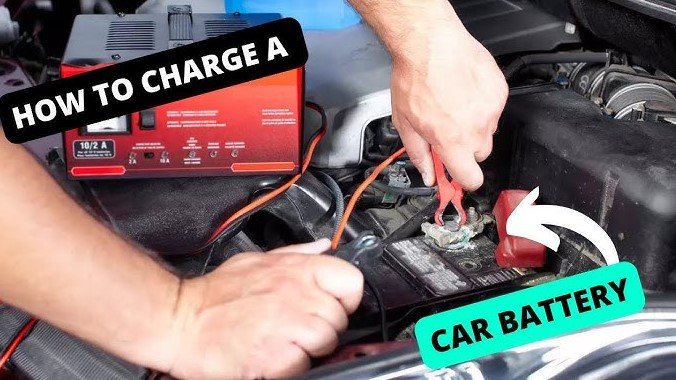
Knowing how to recharge auto battery life is an essential skill for every driver in 2026. By using the right charger and following proper safety steps, you can save time, avoid costly service calls, and keep your vehicle’s electrical system in peak condition.
There is nothing quite as frustrating as turning your key or pressing the start button only to be met with total silence. In 2026, our cars are more reliant on sophisticated electronics than ever before.
From advanced driver-assistance systems to constant smartphone connectivity, your vehicle’s power source works overtime. When that power dips, knowing how to recharge auto battery systems becomes a superpower that keeps you moving.
You might think that jump-starting is the only way to handle a dead battery, but that is merely a temporary patch. A true recharge restores the chemical balance inside the unit, extending its lifespan and ensuring your alternator doesn’t work itself to death trying to fill an empty tank.
Whether you are a weekend mechanic or just someone who wants to avoid a late-night breakdown, this guide will walk you through the process with ease.
Key Takeaways
- Safety First: Always wear protective gear and ensure you are working in a well-ventilated area to avoid dangerous fumes or sparks.
- Battery Types Matter: Identify whether your vehicle uses a standard Lead-Acid, AGM, or Lithium-ion battery to choose the correct charging mode.
- Proper Connection: Always connect the positive (red) cable first and the negative (black) cable second to prevent short circuits.
- Slow Charging is Best: Use a trickle charger for the best battery health; rapid charging can generate excess heat that damages internal plates.
- Regular Inspection: Look for signs of corrosion or swelling on your battery casing before attempting to recharge auto battery units.
- Know When to Replace: If your battery won’t hold a charge after a full cycle, it is likely time for a professional replacement.
Understanding Your Vehicle Power Source
Before you jump into the process of how to recharge auto battery hardware, you need to understand what is under your hood. Batteries have evolved significantly over the last few years. Today, many modern vehicles feature Start-Stop technology that demands much more from your battery than the cars of yesterday. If you treat a high-tech AGM battery like an old-school lead-acid block, you might end up damaging it permanently.
Identifying the Battery Chemistry
Most vehicles on the road today use Lead-Acid, AGM (Absorbent Glass Mat), or EFB (Enhanced Flooded Battery) types. If you drive a performance car or an EV, you might even be dealing with Lithium-ion components. The manual for your car is your best friend here. It will tell you exactly what kind of charger you need. Using a basic charger on an advanced AGM battery is a recipe for disaster, as it can cause the battery to overheat or fail to reach a full charge cycle.
The Importance of Voltage Levels
A healthy 12-volt battery should show roughly 12.6 volts when the engine is off. If your multimeter reads below 12.2 volts, your battery is significantly discharged. Understanding these numbers helps you decide if a quick top-up is all you need, or if the battery has reached the end of its life. If the battery refuses to stay above 12 volts after a charge, it is likely time to head to the shop for a replacement.
Essential Tools for the Job
You cannot effectively recharge auto battery systems without the right equipment. In 2026, smart chargers have become the standard. These devices do more than just push power; they monitor the health of your battery and adjust the charge rate automatically. A smart charger is the best investment you can make for your vehicle’s longevity.
Choosing the Right Smart Charger
Look for a charger that offers a “maintenance” or “float” mode. This allows you to leave the charger connected for days or weeks without worrying about overcharging. These units pulse current into the battery, which helps desulfate the plates inside. Desulfation is critical because it breaks down the mineral buildup that prevents your battery from holding power as it ages.
Safety Gear You Should Use
Even though car batteries are relatively safe, they contain acid and can release hydrogen gas. Always keep a pair of safety goggles and nitrile gloves nearby. You want to protect your eyes from any unexpected splashes or sparks. Additionally, work in a garage with the door open or in a driveway where air flows freely to prevent gas accumulation.
The Step-by-Step Recharge Process
Now that you have your gear ready, let’s look at the actual process of how to recharge auto battery setups. It is not as intimidating as it looks, provided you take it one step at a time. Speed is not the goal here; consistency is.
Preparation and Setup
Start by turning off your vehicle completely. Remove the keys from the ignition to ensure there is no power draw. Some modern vehicles have delicate computers, so disconnect the negative terminal if your specific car manufacturer recommends it. Clean the battery terminals with a wire brush if you see any white or blue powdery corrosion; this ensures a clean electrical connection.
Connecting the Cables
This is the most critical part of how to recharge auto battery units. Always connect the positive (red) cable to the positive terminal first. Then, attach the negative (black) cable to the negative terminal or a solid metal ground point on the chassis. Plugging the charger into the wall outlet should be the very last step. By following this sequence, you minimize the risk of a spark occurring right at the battery, which is essential because lead-acid batteries can produce explosive gases.
Monitoring the Charge Cycle
Once the charger is powered on, check the display. Most 2026-model chargers will show you a percentage. Let it run until it reaches 100 percent. Do not rush this process by selecting a “boost” or “fast charge” setting unless it is an absolute emergency. Slow, steady charging is much kinder to the lead plates inside the battery, which helps them stay conductive for longer.
Troubleshooting Common Charging Issues
Sometimes, things don’t go as planned. If the charger displays an error code, don’t panic. Understanding why a battery won’t accept a charge is part of learning how to recharge auto battery systems effectively.
Dealing with “Deep Discharge”
If your battery has been completely dead for a long time, it may have fallen below the threshold that the charger recognizes as a battery. Some chargers have a “force” or “repair” mode that can wake up a deeply discharged battery. If your charger does not have this, you might need to jump-start the car briefly and then drive it for 30 minutes to get some surface charge back before attempting a full wall charge.
Identifying Terminal Issues
If you see the charger flickering or showing a “bad connection” alert, check your clamps. Are they tight? Is there grease or corrosion on the metal parts? A weak connection creates high resistance, which causes heat. This is not only bad for the charging process but can also melt plastic components if left unchecked. A simple wiggle and a scrub with a terminal brush usually fixes this problem.
Maintaining Battery Health in 2026
Knowing how to recharge auto battery setups is great, but preventing the need for a recharge is even better. Modern driving habits often involve short trips that don’t give the alternator enough time to recharge the battery fully. This leads to chronic undercharging, which is the number one cause of early battery failure.
The Benefits of Regular Maintenance
If you don’t drive your car every day, consider using a battery tender. A battery tender is a small device that stays connected to your battery while the car is parked, keeping it at a healthy 100% charge. This is especially helpful for classic cars or secondary vehicles that sit for long periods. By keeping the battery fully charged, you prevent the chemical stagnation that leads to internal degradation.
Seasonal Considerations
Extreme temperatures both hot and cold stress your battery. In 2026, we see more record-breaking heat waves. High heat evaporates the electrolyte inside a battery, shortening its life significantly. In the winter, the battery has to work harder to turn over a cold engine. Checking your battery health before the peak of summer or winter will save you from being stranded in bad weather.
Conclusion
Learning how to recharge auto battery systems is a foundational skill that pays dividends in both money and convenience. You are no longer at the mercy of a dead battery when you have the tools and the knowledge to handle the situation yourself. Remember, the goal is always to prioritize safety, use the correct equipment for your specific battery type, and take your time to ensure a deep, successful charge.
By keeping your battery healthy, you protect the entire electrical ecosystem of your car. From the navigation system to the fuel injection computer, every part relies on that clean, steady stream of power. So, keep your smart charger handy, follow these steps, and enjoy the confidence of knowing you have the power to keep your journey going no matter what.
Frequently Asked Questions
How long does it take to recharge a car battery?
Generally, it takes between 6 to 12 hours to fully charge a depleted battery using a standard smart charger. The exact time depends on the battery’s capacity and how deeply it was discharged before you started.
Can I leave the battery connected to the car while charging?
Yes, you can charge the battery while it is still in the car, provided you use a modern smart charger with built-in surge protection. Always ensure the ignition is turned off and the keys are removed to avoid any electrical interference.
What if my charger shows a “fault” light?
A fault light often indicates a poor connection, a short circuit, or a battery that is beyond the point of recovery. Check your cable clamps for corrosion first, and if the fault persists, it may be time to visit an auto parts store for a free professional battery test.
Does cold weather really kill batteries?
Yes, cold weather slows down the chemical reactions inside a battery, reducing its power output just when the engine needs the most energy to start. A battery that is already aging will often fail on the first truly cold morning of the season.
Is it okay to use a fast charger?
Fast chargers should be reserved for emergencies only, as the high heat generated can warp the battery plates and decrease the battery’s total capacity. For everyday maintenance, a slow, “trickle” charge is much better for the health of your vehicle.
How often should I check my battery’s charge?
If you drive your car regularly, checking the battery once every six months is usually sufficient. However, if your vehicle sits for more than a week at a time, checking it monthly or using a battery tender is highly recommended.