
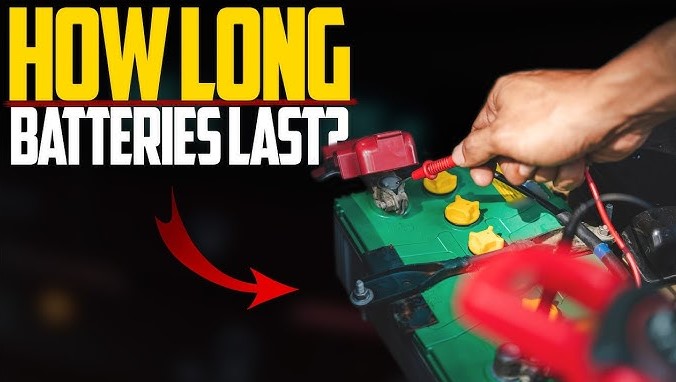
On average, a standard truck battery lasts between three and five years depending on usage, climate, and maintenance habits. By monitoring your charging system and practicing good driving habits, you can maximize the longevity of your battery and avoid unexpected roadside breakdowns in 2026.
If you are a truck owner, there is nothing quite as frustrating as turning the ignition key only to be met with a hollow click. You rely on your truck for work, travel, and adventure, which makes the battery the silent hero of your entire vehicle. Many owners find themselves asking, “How long do truck batteries last?”
It is a vital question that sits at the intersection of vehicle performance and your daily budget. Understanding your battery’s health can be the difference between a smooth morning start and a stressful morning delay.
In 2026, vehicle technology has advanced significantly, yet the humble lead-acid or AGM battery remains a critical component. While newer trucks come equipped with smart sensors, the physical chemistry inside the battery is still subject to the same laws of nature.
Whether you are driving a heavy-duty work truck or a light pickup, knowing how to spot the signs of fatigue is key to long-term performance. Let’s dive into what makes these powerhouses tick and how you can ensure yours stays strong for as long as possible.
Key Takeaways
- Average Lifespan: Most truck batteries reliably provide power for 3 to 5 years before requiring a replacement.
- Climate Impact: Extreme heat is actually more damaging to internal battery components than freezing cold temperatures.
- Driving Patterns: Short, frequent trips prevent the alternator from fully recharging the battery, leading to premature failure.
- Maintenance Matters: Keeping terminals clean and ensuring a tight connection prevents power loss and corrosion buildup.
- Modern Tech: By 2026, modern battery management systems (BMS) in trucks help monitor health, but they still require periodic manual checks.
- Warning Signs: Dimming headlights, slow engine cranks, and a dashboard battery light are clear indicators that your battery is nearing its end.
Understanding the Basics of Battery Longevity
To understand how long do truck batteries last, we have to look at how they function. A battery is not a fuel tank; it is a chemical storage unit. It generates electricity through a process of lead plates and electrolyte solutions. Every time you start your truck, you pull energy out. Every time you drive, your alternator puts energy back in. This cycle happens thousands of times over the life of the vehicle.
The Impact of Chemical Aging
Over time, the lead plates inside your battery begin to sulfated. This is a buildup of lead sulfate crystals that effectively blocks the battery from holding a charge. Think of it like a sponge that slowly starts to harden; eventually, it can no longer absorb water. While modern manufacturing has improved, this chemical process is the primary reason why even the best batteries eventually stop working after a few years.
External Factors that Shorten Life
If you live in a region with extreme temperatures, your battery life will likely be on the lower end of that 3-to-5-year spectrum. Heat causes the fluid inside the battery to evaporate and accelerates internal corrosion. While most people fear the winter because it is harder to start a car in the cold, the heat of the previous summer is usually what kills the battery. By the time the first frost hits, the battery is already compromised from the summer heat, and it simply cannot handle the extra load required to turn over a cold engine.
Driving Habits and Their Effect on Power
Your daily routine has a massive impact on your battery life. It is not just about the age of the battery; it is about how you treat it on the road. If your truck sits idle for long periods or if you only take it out for very short trips, you might find that you are replacing your battery much sooner than your neighbors.

The Problem with Short Trips
When you start your truck, you use a significant amount of power. The alternator then needs time to “recharge” that energy back into the battery. If you only drive for five or ten minutes, the alternator does not have enough time to fully top off the battery. Over weeks or months, this leads to a state of chronic undercharging. This deep discharge creates permanent damage to the battery’s capacity.
Parasitic Drains and Modern Electronics
In 2026, our trucks are loaded with technology. From advanced GPS systems and dashcams to charging ports and premium audio systems, there is a lot pulling power even when the engine is off. If you leave devices plugged in, they continue to draw a “parasitic” current. While it might seem small, over the course of a week of sitting in the driveway, that constant drain can lead to a dead battery that is difficult to revive.
Recognizing the Warning Signs of Failure
One of the best ways to answer how long do truck batteries last is to listen to your truck. It will almost always give you hints before it completely fails. If you pay attention, you can replace the battery on your own terms rather than being stranded at the grocery store or on a remote job site.
Slow Engine Cranking
The most common sign is a “lazy” or slow start. When you turn the key, the engine sounds sluggish, like it is struggling to find the energy to spin. This is a classic symptom of a battery that is losing its cold-cranking amps. If you hear this hesitation, do not wait for the next time; get your battery tested immediately.
Electrical Quirks and Dashboard Lights
Modern trucks have sophisticated computer systems. If your battery is struggling, you might notice dim headlights, flickerings on your instrument cluster, or even power windows that move slower than usual. Furthermore, if you see the battery icon on your dashboard stay lit while driving, it is a sign that your charging system or the battery itself is not holding the required voltage.
Maintenance Tips to Extend Battery Life
You can certainly influence how long do truck batteries last by performing simple maintenance. It takes very little time and can save you hundreds of dollars in replacement costs over the life of your vehicle.
Keep the Terminals Clean
Corrosion often looks like white, fuzzy powder building up on your battery terminals. This corrosion creates resistance, making it harder for electricity to flow. Every few months, check your terminals. If you see buildup, you can clean it off with a mixture of baking soda and water and a stiff wire brush. It is a simple job that ensures a clean, solid connection.
Secure the Battery Mount
Trucks are built for tough terrain, but vibration is the enemy of a battery. If your battery hold-down clamp is loose, the internal plates can become damaged from excessive shaking. Always make sure your battery is firmly mounted in its tray. A well-secured battery is a happy, long-lasting battery.
Choosing the Right Replacement
When the time finally comes to replace your battery, not all replacements are created equal. In 2026, there are several different types of batteries available, and picking the right one is essential for your truck’s specific needs.
Flooded vs. AGM Batteries
Most standard batteries are “flooded” lead-acid batteries. They are reliable and affordable. However, if you have a truck with start-stop technology or a lot of heavy electronic accessories, an AGM (Absorbent Glass Mat) battery is a much better choice. They are more resistant to vibration and can handle deeper discharges, which means they often last longer in demanding conditions.
Cold Cranking Amps (CCA)
Always check your owner’s manual for the required Cold Cranking Amps (CCA). This rating tells you how much power the battery can provide to start the engine in cold weather. It is tempting to buy the cheapest battery on the shelf, but if it does not meet the manufacturer’s CCA requirements, you will likely find yourself needing another replacement far too soon.
Conclusion
So, how long do truck batteries last? While three to five years is the industry standard, your specific outcome is largely in your hands. By understanding the environment, monitoring your driving habits, and performing routine maintenance, you can ensure that your truck remains reliable through every season.
Don’t wait for the click of a dead engine to start caring about your battery. Be proactive, listen for those small changes in how your truck starts, and keep those terminals clean. When you take care of your truck, it will take care of you, getting you where you need to go without any unexpected stops. Keep these tips in mind, and you will get every mile out of your battery that you paid for.
Frequently Asked Questions
How can I test my truck battery at home?
You can use a digital multimeter to check the voltage of your battery. A healthy, fully charged battery should read approximately 12.6 volts when the engine is off.
Does leaving my truck lights on kill the battery?
Yes, leaving your headlights or interior dome lights on will drain the battery quickly. Even a small interior light can completely deplete a battery within a few hours, making it impossible to start the engine.
Is it better to replace the battery before it dies?
It is almost always better to replace your battery once it shows signs of weakness rather than waiting for a total failure. This prevents the inconvenience of being stranded and avoids potential strain on your alternator.
What should I do if my battery terminals are corroded?
You can easily clean them by mixing baking soda with water and using a wire brush to scrub the terminals. Always disconnect the negative cable first to ensure your safety during the cleaning process.
Why does the cold weather affect my battery?
Cold weather slows down the chemical reactions inside the battery, which reduces its ability to produce power. Since engines also require more power to start in the cold due to thicker oil, it creates a “perfect storm” for dead batteries.
Should I disconnect my battery if I am not driving for a long time?
If your truck will be sitting for several weeks, disconnecting the negative terminal or using a battery maintainer is a great idea. This prevents parasitic drains from slowly killing your battery while the vehicle is parked.