
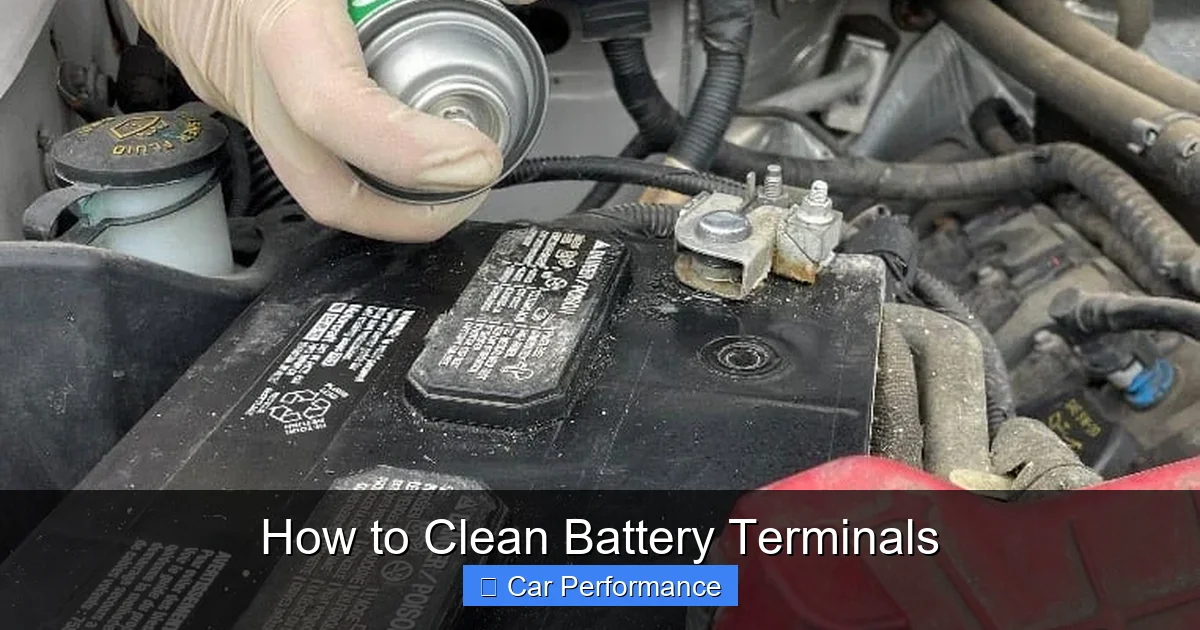
Cleaning your car’s battery terminals is one of the easiest ways to boost performance and prevent electrical issues. Over time, corrosion builds up on the metal connectors, causing poor connections and even starting problems. In 2026, with more electric vehicles and advanced electronics, maintaining clean terminals is more important than ever.
Key Takeaways
- Corrosion harms performance: Dirty terminals reduce power flow, leading to sluggish starts and electrical malfunctions.
- Safe tools matter: Use baking soda, water, and a wire brush never harsh chemicals or metal scrapers.
- Prevention is key: Apply dielectric grease after cleaning to stop future buildup.
- Check voltage regularly: A multimeter helps spot weak batteries before they fail.
- Safety first: Always disconnect the negative terminal first to avoid sparks.
- EVs need care too: Even hybrid and electric cars benefit from clean terminals for optimal efficiency.
- DIY saves money: Cleaning terminals costs less than a tow or new battery.
📑 Table of Contents
- How to Clean Battery Terminals: A 2026 Guide to Better Car Performance
- Why Battery Terminal Corrosion Happens (and Why It Matters)
- Tools and Supplies You’ll Need
- Step-by-Step: How to Clean Battery Terminals Safely
- Common Mistakes People Make (And How to Avoid Them)
- When to Clean vs. Replace Battery Terminals
- Preventative Maintenance: Keep Corrosion Away
- Special Considerations for Electric and Hybrid Vehicles
- Conclusion: Small Effort, Big Impact
How to Clean Battery Terminals? A 2026 Guide to Better Car Performance
In 2026, our cars are smarter, more connected, and packed with sensitive electronics. From infotainment systems to autonomous driving aids, every component relies on clean, stable power. And that power starts at the battery. If your battery terminals are corroded or dirty, you’re not just risking a dead start you’re inviting a cascade of electrical gremlins into your ride.
Cleaning battery terminals isn’t just for old cars anymore. Whether you drive a classic sedan, a modern EV, or a plug-in hybrid, keeping those terminals free of grime ensures reliable performance year-round. In this guide, we’ll walk through exactly how to clean battery terminals safely, effectively, and with confidence no mechanic needed.
Why Battery Terminal Corrosion Happens (and Why It Matters)
Battery terminals are typically made of lead or lead alloy, and over time, they react with moisture, oxygen, and acids in the air. This chemical reaction creates a white, green, or grayish buildup called corrosion. While it may look harmless, corrosion acts like insulation slowing down or blocking the flow of electricity.
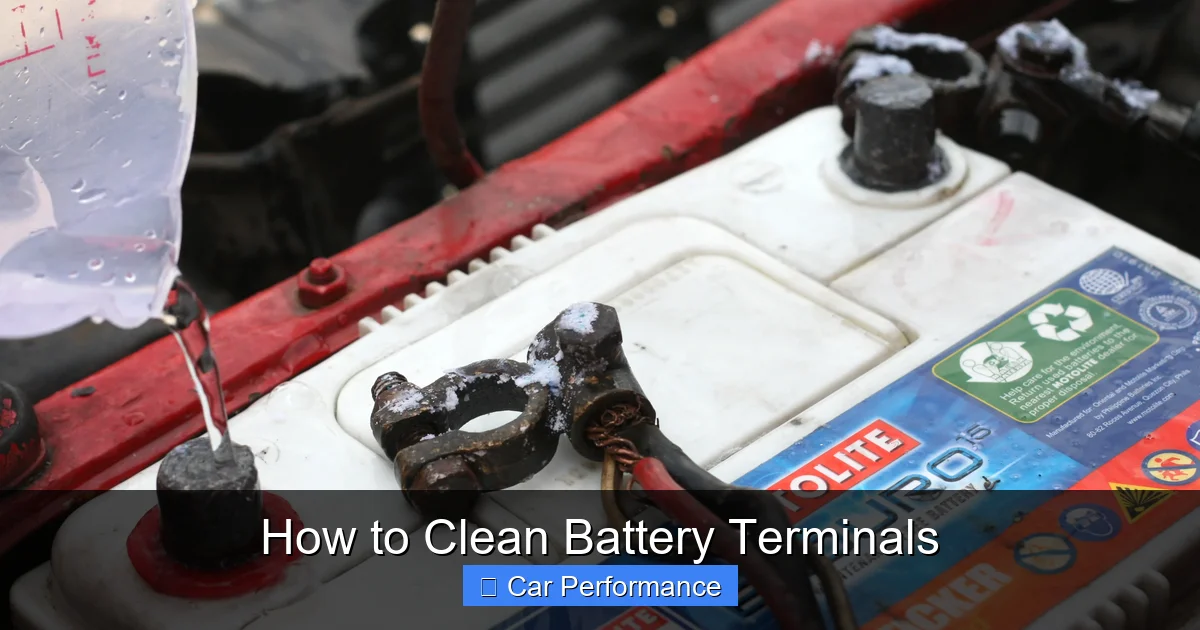
Visual guide about How to Clean Battery Terminals
Image source: wikihow.com
The Real Cost of Neglect
A corroded terminal can cause:
- Poor engine cranking
- Dashboard warning lights
- Erratic sensor readings
- Complete electrical failure
In 2026, many vehicles use 48-volt mild-hybrid systems and regenerative braking tech that depend heavily on consistent battery health. A weak connection can confuse the car’s computer, triggering false error codes or reducing fuel efficiency by up to 15%.
Tools and Supplies You’ll Need
You don’t need a garage full of tools. In fact, cleaning battery terminals is one of the simplest car maintenance tasks you can do with household items. Here’s what works best in 2026:
Essential Items
- Baking soda – Neutralizes acid and breaks down corrosion
- Distilled water – Avoid tap water; minerals can worsen buildup
- Wire brush or battery terminal cleaner – A dedicated tool makes scrubbing easier
- Dry cloth or paper towels – For wiping and drying
- Multimeter (optional) – Helps check voltage before and after cleaning
What NOT to Use
- Metal scrapers – Can damage terminals
- Alkaline cleaners – May react with battery acid
- Compressed air – Doesn’t remove chemical deposits
Pro tip: Keep a small container of dielectric grease on hand. It prevents future corrosion and protects against moisture—ideal for rainy climates or coastal areas where salt accelerates rust.
Step-by-Step: How to Clean Battery Terminals Safely
Follow these steps carefully. Safety always comes first when working near a charged battery. In 2026, most cars have dual-battery setups in hybrids, so double-check your owner’s manual to identify the correct terminals.
Step 1: Park and Prepare
Park in a dry, well-ventilated area. Turn off the engine and remove any loose jewelry rings or watches can short-circuit the battery if dropped near terminals.
Step 2: Disconnect the Negative Terminal First
This prevents accidental short circuits. Use a wrench to loosen the black cable (negative)**. Once loose, wiggle it gently until it’s free. Never let the wrench touch both terminals at once.
Step 3: Remove the Positive Cable
Next, disconnect the red cable (positive). Keep cables separated to avoid contact.
Step 4: Inspect and Mix Cleaning Solution
In a small bowl, mix 1 tablespoon of baking soda with 1 cup of distilled water. Stir until dissolved you’ll see fizzing as it neutralizes acid.
Step 5: Apply Solution and Scrub
Dip your wire brush into the solution and scrub each terminal thoroughly. Focus on areas with heavy buildup. For stubborn cases, soak a cloth in the paste and wrap it around the terminal for 5 minutes before scrubbing.
Step 6: Rinse and Dry
Rinse terminals with distilled water to remove residue. Wipe completely dry with a clean cloth. Let the battery sit for 10 minutes to ensure all moisture evaporates.
Step 7: Reconnect Cables (Positive First!)
Attach the red cable to the positive terminal first, then the black cable to the negative. Tighten securely loose connections create resistance and sparking.
Step 8: Apply Dielectric Grease
Spread a thin layer of dielectric grease on both terminals. This creates a protective barrier against future corrosion. Don’t overdo it too much grease can attract dust and dirt.
Common Mistakes People Make (And How to Avoid Them)
Even experienced drivers slip up sometimes. Here are the most frequent errors and how to fix them:
Mistake #1: Using Tap Water
Tap water contains minerals that can leave behind conductive deposits, worsening corrosion. Always use distilled water.
Mistake #2: Not Drying Completely
Moisture trapped under cables causes rapid re-corrosion. Use compressed air (not open flame!) to blow out crevices if needed.
Mistake #3: Tightening Cables Too Hard
Over-tightening can crack plastic caps or strip threads. Hand-tighten, then give it a quarter-turn with the wrench just enough to secure it.
Mistake #4: Skipping Voltage Check
After cleaning, start the car and check for warning lights. If the alternator isn’t charging properly, the issue might be deeper than terminal gunk.
When to Clean vs. Replace Battery Terminals
Sometimes cleaning isn’t enough. Here’s how to tell:
Signs You Should Replace Terminals
- Cracks or melting plastic on the terminal posts
- Severe swelling or bulging of the battery case
- Cables are frayed or show signs of arcing
- Voltage drops below 11.8 volts even after cleaning
If you notice any of these, it’s time to consult a professional. In 2026, many dealerships offer mobile battery services that can swap out terminals on-site especially useful for EVs with complex powertrains.
Preventative Maintenance: Keep Corrosion Away
Cleaning once a year isn’t enough in humid or salty environments. Here’s how to keep terminals pristine:
Monthly Checks
Inspect terminals for early signs of white or green buildup. A quick wipe with a damp cloth can stop corrosion before it starts.
Seasonal Deep Cleans
Do a full cleaning every spring and fall before extreme weather hits. Cold snaps increase internal resistance, making clean terminals even more critical.
Use a Battery Terminal Protector Spray
Products like CRC Battery Terminal Protector create a vapor barrier that repels moisture. These sprays are especially helpful for vintage cars stored outdoors.
Special Considerations for Electric and Hybrid Vehicles
In 2026, over 40% of new cars sold are either fully electric or plug-in hybrids. These vehicles require extra care when servicing battery systems.
High-Voltage Batteries Need Caution
Never open high-voltage battery enclosures unless trained. However, low-voltage 12V auxiliary batteries (like those powering infotainment) can still benefit from terminal cleaning.
Software Resets After Cleaning
Some EVs reset navigation settings or Bluetooth pairings after disconnecting the battery. Plan accordingly clean terminals during routine maintenance visits.
Use OEM-Grade Tools
Third-party terminal cleaners may void warranties on newer models. Stick to manufacturer-recommended products listed in your service manual.
Conclusion: Small Effort, Big Impact
Cleaning your battery terminals is a quick, low-cost fix that pays off in reliability, safety, and peace of mind. In 2026, with vehicles becoming increasingly dependent on stable power delivery, this simple task plays a vital role in overall performance.
Whether you’re preparing for winter, troubleshooting a slow crank, or just doing routine maintenance, take five minutes to inspect and clean those terminals. You’ll thank yourself later when your car starts instantly, your lights stay bright, and your dashboard stays quiet.
Remember: prevention beats repair. With the right tools and a little know-how, you can keep your battery terminals in top shape year after year.
Frequently Asked Questions
How often should I clean my battery terminals?
It’s best to clean battery terminals once a year, or every six months if you live in a humid, coastal, or salty environment. Regular inspection helps catch early signs of corrosion before they cause problems.
Can I use vinegar instead of baking soda?
No, vinegar is acidic and can worsen corrosion. Baking soda is alkaline and neutralizes battery acid safely. Always use distilled water and avoid household acids like lemon juice or bleach.
Will cleaning fix a dead battery?
Not necessarily. A corroded terminal might prevent your battery from delivering power, but if the battery itself is old or damaged, cleaning won’t restore it. Check the voltage with a multimeter – if it reads below 12.4 volts when off, it likely needs replacement.
Is it safe to clean terminals without disconnecting the battery?
Absolutely not. Working on a live circuit risks shorting the battery, which can cause sparks, fire, or damage to your vehicle’s electrical system. Always disconnect the negative terminal first.
Can I clean terminals with a toothbrush?
Yes, but only if it’s a clean, soft-bristle toothbrush. Metal bristles can scratch terminals and create spots for future corrosion. A dedicated wire brush is safer and more effective.
Do I need to replace washers when reconnecting?
Only if they’re cracked, worn, or missing. Most battery terminals use rubber or fiber washers to insulate and seal. Damaged washers can allow moisture in and lead to faster corrosion.