
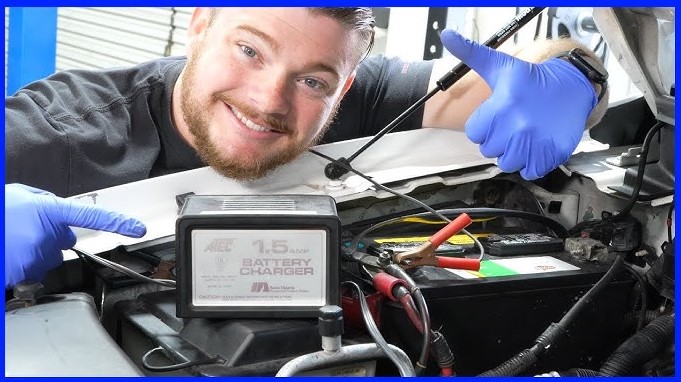
Battery charge refers to the electrical energy stored within your vehicle’s battery, which is essential for starting the engine and powering electronics. Understanding how to manage this energy ensures your car remains reliable, safe, and efficient throughout the 2026 model year.
Key Takeaways
- The Energy Core: Battery charge is the stored chemical potential energy converted into electricity to power your vehicle.
- Starting vs. Running: A battery provides the initial surge needed to crank the engine, while the alternator keeps things running once moving.
- Temperature Matters: Both extreme heat and freezing cold significantly impact how well your battery holds a charge.
- Monitoring is Key: Modern 2026 vehicles feature advanced sensors to track battery charge levels in real-time.
- Maintenance Habits: Regular driving and periodic checks prevent sulfation and extend the total lifespan of your car battery.
- Signs of Failure: Dim lights, slow engine starts, and dashboard alerts are primary indicators that your battery charge is depleting.
The Science of Powering Your Drive
Have you ever jumped into your car, turned the key or pressed the start button, and wondered what is battery charge really doing under the hood? It is easy to take our cars for granted until they do not start. In 2026, our vehicles are smarter than ever, packed with sensors and complex electronics.
Yet, at the heart of it all, that lead-acid or lithium-ion block remains the unsung hero of the journey. Understanding battery charge is not just for mechanics; it is for every driver who wants to avoid being stranded.
Think of your battery as a giant storage tank for electrons. When we talk about battery charge, we are really talking about the chemical readiness of the battery to push those electrons through your car’s wiring.
If the tank is full, your car wakes up instantly. If it is empty, you are left looking for jumper cables. Let’s dive into what makes this system tick and how you can keep your car in peak performance shape.
Understanding the Basics of Battery Charge
Visual guide about What Is Battery Charge
Image source: battery.co.za
At its core, a battery stores chemical energy. When you start your car, a chemical reaction occurs inside the battery cells, transforming that stored energy into the electrical current required by your starter motor. Once the engine is humming, the alternator takes over the heavy lifting, powering your lights, climate control, and infotainment system while also replenishing the battery charge.
Voltage vs. Amperage
It helps to think about electricity like water in a pipe. Voltage is the pressure of the water, and amperage is the volume of the water flowing. A healthy 12-volt car battery needs to hold a specific voltage to push enough current into the starter motor. If the battery charge drops even slightly, the pressure falls, and the starter may struggle to turn the engine over.
The Role of Chemistry
Most standard vehicles in 2026 still rely on lead-acid chemistry. Inside, lead plates are submerged in an electrolyte solution. Over time, these plates can develop lead sulfate crystals—a process called sulfation. This happens when a battery is left in a low-state of charge for too long. Keeping your battery charge topped up is the best way to prevent these crystals from hardening and killing the unit prematurely.
Why Your 2026 Vehicle Needs Constant Monitoring?
Modern cars are never truly “off.” Even when you park in the garage, your vehicle’s onboard computer, alarm system, and keyless entry sensors are constantly sipping a tiny amount of electricity. This is called “parasitic draw.” In 2026, with the high level of connectivity in our cars, this draw is more significant than ever.
Advanced Dashboard Alerts
If you have a 2026 model, you have likely seen a battery icon on your dashboard. This is not just a decoration. It is connected to a Battery Management System (BMS). The BMS monitors the battery charge and the health of the cells. If it detects that the battery is failing to hold a charge, it will alert you. Do not ignore these warnings; they are your car’s way of saying it needs help before it leaves you stuck.
The Impact of Technology
Today’s cars have massive screens, heated seats, and advanced driver-assistance systems. These features demand a stable flow of electricity. If your battery charge is weak, these systems might behave strangely. You might notice flickering screens or features that do not turn on. That is a clear sign that the battery is struggling to provide enough consistent energy for the vehicle’s high-tech load.
Factors That Drain Your Battery Charge
Several outside factors can rob your battery of its life. Knowing what causes these drains can help you change your driving habits to protect your investment.
The Enemy of Extreme Temperatures
We often think of winter as the hardest time for batteries, and that is true because cold thickens the engine oil, making the engine harder to turn. However, intense summer heat is actually more damaging to the battery’s internal structure. Heat accelerates internal corrosion. If you live in a hot climate, your battery will likely have a shorter lifespan than one kept in a temperate area.
Short Commutes and Stop-Start Traffic
If you only drive for five or ten minutes at a time, your alternator does not have enough time to replace the battery charge you used to start the engine. Over weeks or months, this leads to a chronically undercharged battery. If you rarely take your car for a long drive, consider using a battery maintainer or a trickle charger once a month to keep things healthy.
Practical Tips for Battery Longevity
Taking care of your battery is easier than most people think. A little bit of attention goes a long way in ensuring you don’t need a jump-start in the middle of a rainy night.
Keep Connections Clean
Sometimes, the issue isn’t the battery charge itself, but the connection. Inspect the terminals on your battery every six months. If you see white or blue fuzzy deposits, that is corrosion. You can clean this off with a simple mixture of baking soda and water and a stiff brush. A clean, tight connection ensures the electricity flows freely.
The Power of a Trickle Charger
If you have a classic car or a vehicle that sits in the garage for weeks at a time, a trickle charger is your best friend. These devices plug into a wall outlet and provide a very low current to keep the battery at 100% without overcharging it. It is the easiest way to ensure your car is ready to go whenever you are.
Limit Accessory Use When Parked
Try to avoid running your radio, internal lights, or charging your devices while the engine is turned off. Even though it feels like you are just using a little bit of power, you are pulling directly from the battery charge. Without the alternator running, you are slowly draining the battery’s capacity.
When to Replace Your Battery
Even with the best care, a battery is a consumable part. On average, a car battery lasts between three and five years. If you notice your car is cranking slowly, your lights look dim when the engine is idling, or you have had to jump-start the car more than once, it is time for a professional test.
Get a Load Test
Most auto parts stores will perform a “load test” on your battery for free. They hook up a machine that mimics the strain of starting your car. This tells you exactly what the battery charge capacity is compared to when it was new. It is much better to find out your battery is weak at a shop than to find out in a grocery store parking lot at night.
Choosing the Right Replacement
When the time comes to swap it out, make sure you choose the right battery for your specific car. 2026 models often require specific types of batteries to support start-stop technology. Look at your owner’s manual to see the required cold-cranking amps (CCA) and group size. Do not just buy the cheapest one on the shelf; your car’s electronics will thank you for buying a high-quality unit.
Conclusion
Understanding what is battery charge is fundamental to being a confident, prepared driver in 2026. Your battery is the foundation of your car’s entire electrical ecosystem.
By keeping an eye on your battery’s health, minimizing short trips, and keeping your terminals clean, you can avoid the frustration of a dead vehicle and ensure your car remains a reliable companion on every road trip. Treat your battery well, and it will ensure your engine starts every time you turn the key.
Frequently Asked Questions
What is the ideal battery charge level?
A fully charged, healthy 12-volt battery should typically read around 12.6 to 12.8 volts when the engine is off. Anything below 12.4 volts is considered partially discharged, and below 12.0 volts means the battery is significantly drained.
Can a car battery recharge itself?
A battery cannot recharge itself from a completely dead state, but once the engine is running, the alternator acts as a generator to recharge the battery. However, if the battery is damaged or very old, the alternator may not be able to store a charge in it effectively.
How long does a car battery take to charge while driving?
Generally, you should drive for at least 30 to 45 minutes at highway speeds to provide a meaningful charge to the battery after a jump-start. Short trips around town are often insufficient to fully replenish the battery charge.
Do electric vehicles have 12-volt batteries?
Yes, even full electric vehicles in 2026 have a traditional 12-volt battery. It is used to power the onboard computers, lights, and door locks before the high-voltage main drive battery is engaged.
How does extreme heat affect battery charge?
Heat causes the internal fluids in a battery to evaporate and accelerates the breakdown of internal components. While heat might make the engine start easier than in the cold, it permanently reduces the battery’s ability to hold a charge over time.
Should I disconnect my battery if I am not driving for a long time?
Disconnecting the battery can help prevent the “parasitic draw” from draining the charge, but it may reset your car’s computer settings. A better alternative for long-term storage is using a battery maintainer or a trickle charger.