
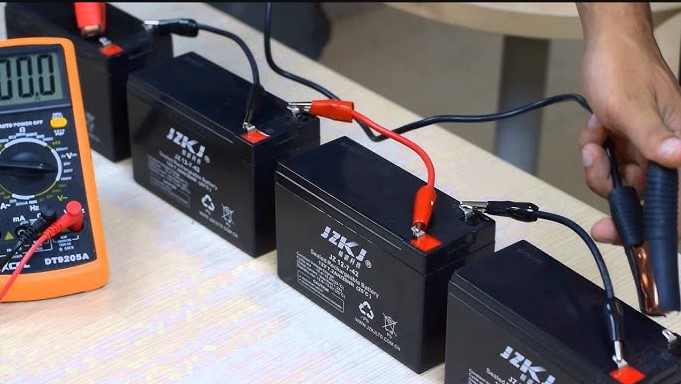
Wiring batteries in series is a powerful technique to increase the total voltage of your electrical system while keeping the amperage constant. By connecting the positive terminal of one battery to the negative terminal of another, you create a chain that provides the extra punch needed for demanding car performance upgrades.
When you start tinkering with car performance, you quickly realize that standard power just does not cut it anymore. Whether you are installing a high-powered audio system, specialized off-road lighting, or advanced engine management systems, your electrical setup often needs a serious boost. Learning how to wire batteries in series is one of the most effective ways to upgrade your vehicle’s energy potential without needing a complete overhaul of your alternator or wiring harness.
In 2026, the world of automotive modifications is more accessible than ever. Yet, the physics of electricity remains the same. Wiring batteries in series is a straightforward process, but it demands respect and precision. If you get it right, you unlock reliable power that keeps your custom components running at their peak. If you get it wrong, you risk damaging your gear or causing a nasty electrical short. Let’s dive into the details and get your car running exactly how you want it.
Key Takeaways
- Voltage Doubling: Connecting batteries in series adds their voltages together while maintaining the original amp-hour capacity.
- Terminal Logic: Always connect the positive terminal of the first battery to the negative terminal of the second to complete the series circuit.
- Battery Matching: For safety and longevity, always use batteries of the exact same age, brand, model, and state of charge.
- Safety First: High-voltage systems require proper insulation and fused circuits to prevent short circuits and fire hazards.
- Monitoring: Always use a high-quality multimeter to verify your total voltage output before connecting your final load
Understanding the Basics of Series Wiring
Before you grab your wrench and jumper cables, it is vital to understand exactly what happens when you wire batteries in series. Think of it like stacking water buckets. If you want more pressure, you stack them vertically. In electrical terms, we are increasing the potential difference, which we measure in volts. When you wire batteries in series, the voltage adds up, but the amount of energy available the amp-hours stays the same as a single unit.
Why Go the Series Route?
Most stock car setups run on a 12-volt system. Many high-performance parts, however, crave more “push” to function efficiently. By connecting two 12-volt batteries in series, you create a 24-volt power source. This is common for heavy-duty winches, professional-grade amplifiers, or custom electric motor setups. By increasing the voltage, you can actually use thinner wires to carry the same amount of power, which helps keep your vehicle’s weight down—a huge plus for performance enthusiasts.
The Math Behind the Magic
The math is simple enough that anyone can master it. If you have two 12-volt, 50 amp-hour batteries, wiring them in series gives you a 24-volt, 50 amp-hour bank. Note that the 50 amp-hours do not add up. If you wanted to increase the capacity (the runtime), you would need to wire them in parallel instead. Always ensure your components are rated to handle the higher voltage before you make the final connection.
Essential Safety Measures for 2026
Working with high-voltage electricity is not a game. Even in a 24-volt setup, the energy stored in lead-acid or lithium-ion batteries is significant. If you create a short circuit, those wires can turn red-hot in a heartbeat. Always wear safety glasses and keep your tools organized. A loose wrench hitting the wrong terminals is the fastest way to ruin your day and your car.
Choose the Right Gear
In 2026, we have access to some incredible battery technology, but that does not mean you should mix and match. Never connect an old, worn-out battery to a brand-new one in series. The weaker battery will struggle to keep up, which can lead to overcharging, overheating, and eventual battery failure. Always use batteries of the same brand, model, and age.
The Power of Insulation
Invest in high-quality battery terminal covers and heat-shrink tubing. Exposed terminals are a magnet for dropped metal tools. By covering your connections, you add a layer of safety that protects both you and your vehicle’s electrical system from accidental sparks. A few dollars spent on protection now can save you hundreds in repair costs later.
Step-by-Step: How to Wire Batteries in Series
Now that you understand the theory and safety requirements, let’s get down to the actual installation. You will need a reliable set of jumper cables or custom battery interconnect cables made from high-gauge copper wire. Ensure the cables are sized correctly for the current draw of your specific performance components.
Step 1: Positioning Your Batteries
Place your batteries close together in a secure location, such as a custom battery tray. They should be on a flat, vibration-resistant surface. Make sure they are stable so they do not tip over while you are driving. If your batteries are lead-acid, ensure they are stored upright to prevent acid leaks.
Step 2: Making the Bridge
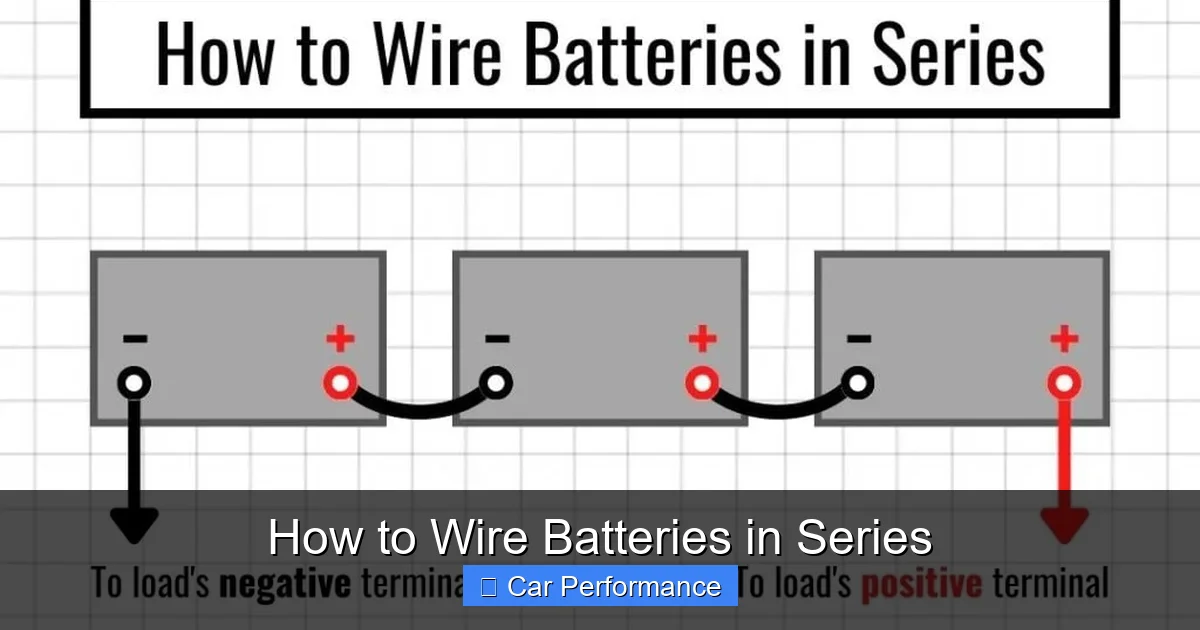
Locate the positive (+) terminal on the first battery and the negative (-) terminal on the second battery. Use your connector cable to link these two. This is your “series link.” You are now effectively connecting the “output” of the first battery to the “input” of the second. This bridge is the core of the series connection.
Step 3: Connecting to the Load
With the bridge in place, you are left with one free positive terminal on the second battery and one free negative terminal on the first battery. Connect these two remaining terminals to your car’s load—the device or the fuse block that will receive the 24-volt power. Always install a main fuse or circuit breaker near the positive terminal to protect the system in case of a surge.
Common Challenges and Troubleshooting
Even with the best planning, things can go wrong. If your system is not powering up, or if your lights are flickering, do not panic. Most issues with battery wiring in series are caused by simple connection errors or loose terminals. Take a deep breath and go back through your installation one step at a time.
Check Your Connections
Corrosion is the enemy of all electrical systems. If your battery terminals have a white, crusty buildup, clean them with a wire brush and a solution of baking soda and water. Tighten all nuts and bolts firmly. A loose connection creates resistance, which causes heat and drops your voltage output significantly.
Voltage Drop Issues
If you find that your components are underperforming, measure the voltage at the batteries first. Then, measure the voltage at the load. If the number at the load is much lower, you have a voltage drop issue. This usually means your wires are too thin for the distance they are traveling. Upgrade to a larger gauge wire to solve this problem for good.
Advanced Performance Tips for 2026
Performance car enthusiasts are always looking for an edge. Once you have mastered basic series wiring, you can look into more advanced configurations, such as series-parallel setups. This allows you to boost both the voltage and the total amp-hour capacity, giving you the best of both worlds for extreme performance builds.
Managing Heat in High-Output Systems
If you are pushing your batteries hard, they will generate heat. In a 2026 performance build, consider adding a small cooling fan or ensuring your battery compartment has proper airflow. Batteries that stay cool perform better and last significantly longer. Do not enclose your batteries in a space that lacks ventilation.
Monitoring with Digital Gauges
Invest in a digital voltmeter that you can mount on your dashboard. This allows you to monitor your battery health in real-time while driving. If you see your voltage dipping lower than usual, you will know immediately that your charging system or your batteries might need attention. Being proactive is the secret to a high-performance lifestyle.
Conclusion
Learning how to wire batteries in series is a fundamental skill for any gearhead. It opens up a world of possibilities for your vehicle, allowing you to run powerful equipment that transforms your driving experience. Remember to keep things simple, prioritize safety, and always use quality components. By following these steps and keeping an eye on your system, you will enjoy a reliable power setup that handles whatever you throw at it.
Whether you are out on the track or cruising through the city, the confidence that comes with a well-wired electrical system is unmatched. Take your time, double-check your connections, and enjoy the added performance of your new 24-volt, high-output setup. You have the power now go out there and use it responsibly!
Frequently Asked Questions
Can I mix different brands of batteries in series?
It is highly discouraged to mix brands, models, or even ages of batteries. Doing so can cause uneven charging and discharging, which will shorten the life of your batteries and may cause a fire hazard.
Will wiring batteries in series double my amp-hours?
No, wiring in series only increases the voltage. The amp-hour capacity remains the same as the rating of a single battery in the chain.
What happens if I connect the terminals incorrectly?
Connecting the terminals incorrectly typically results in a dead short, which can cause intense sparks, melted wires, and permanent damage to your battery cells. Always double-check your polarity before making the final connection.
Do I need a special charger for a series setup?
Yes, you need a charger that is compatible with the total voltage of your series bank. For two 12-volt batteries in series, you need a 24-volt charger to ensure the batteries are charged correctly and balanced.
Is it safer to use lithium or lead-acid batteries?
Both have trade-offs; lithium batteries are lighter and charge faster, but they require a sophisticated Battery Management System (BMS) to stay safe in series. Lead-acid batteries are more forgiving but are significantly heavier and less efficient.
Can I add a third battery to my series string?
Yes, you can add as many batteries as you want in series to increase voltage, provided your components can handle the higher voltage. Remember that each additional battery increases the complexity and the risk of the system, so ensure all connections are extremely secure.